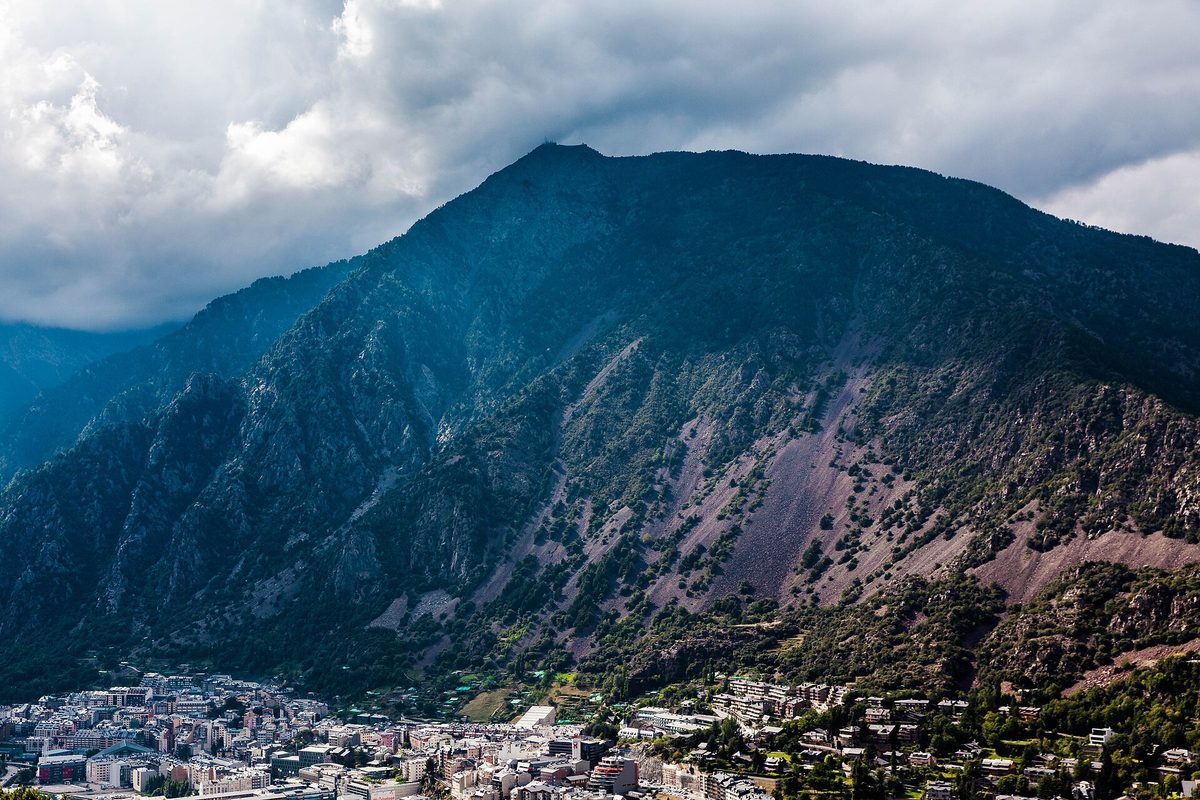
Every Andorra itinerary starts with the same argument, usually conducted over a map that makes the country look like a rounding error: how many days does a place of 468 km² actually deserve? The internet’s laziest answer is “it’s tiny, do it as a day trip from Barcelona.” My answer, after more time in the principality than most people would consider reasonable: Andorra is a 2–3 day country at minimum, a 5-day country if you like mountains, and a day-trip destination only if shopping is the whole point. The roads are the reason — everything here is measured in hairpins, not kilometres.
This guide is the planning hub for your trip, whatever its length. You’ll find a complete plan for one day, two days, three days (the sweet spot), five days and a full week — each with real 2026 prices, opening hours and driving times, plus the winter and summer versions where the country flips personality. I’ve also included the budget maths, a booking timeline, and the mistakes that quietly ruin first visits, like discovering Caldea‘s main spa is closed for maintenance exactly when you planned to soak in it.
Use it like a menu: read the next two sections so the geography makes sense, then jump to the itinerary that matches your dates. Where a day deserves a deeper plan than fits here, I link out to the full guides on this site — everything worth doing in Andorra is its own 5,000-word animal.
Last updated: June 2026. Prices and hours are the 2025/26–2026 published ones and do shift seasonally — I’ve linked official sources so you can confirm before you build a day around anything.
How many days in Andorra is enough?
The honest answer most blogs won’t commit to: two full days covers the greatest hits, three days is the comfortable sweet spot, and five days is ideal if you’re here for the outdoors. One day works as a sampler — it’s genuinely better than nothing — but you’ll spend a third of it on mountain roads and leave with a to-do list for the return trip.
| Trip length | Who it suits | What you’ll realistically cover |
|---|---|---|
| 1 day | Barcelona/Toulouse day-trippers, shoppers | Capital old town, the shopping mile, one big sight (Caldea or Canillo’s viewpoints) |
| 2 days | Weekenders wanting the essentials | Capital + Caldea, plus the full Canillo day: Roc del Quer, Tibetan Bridge, Envalira pass |
| 3 days | First-timers (the sweet spot) | All of the above + a proper mountain day: Tristaina lakes in summer, ski day in winter |
| 4–5 days | Hikers, skiers, families | Add a signature activity, the Ordino valley villages, and breathing room |
| 7 days | Slow travellers, serious skiers/hikers | Everything, unhurried, plus a day trip out and a rest day you’ll actually use |
Two things skew the calculation. First, season: a winter itinerary and a summer itinerary share almost no activities beyond the capital and the spa, so “how long” depends on when you visit Andorra as much as what you like. Second, the roads. On the map, Ordino Arcalís and Pas de la Casa look 30 km apart; in practice that’s an hour of switchbacks each way. Plan 2–3 things per day, not five. Everyone who ignores this spends their trip in second gear, mildly carsick, apologising to their passengers.
The 60-second geography lesson that makes every itinerary work
Andorra is a capital letter Y drawn in valleys. Get this into your head and every day plan below becomes obvious.
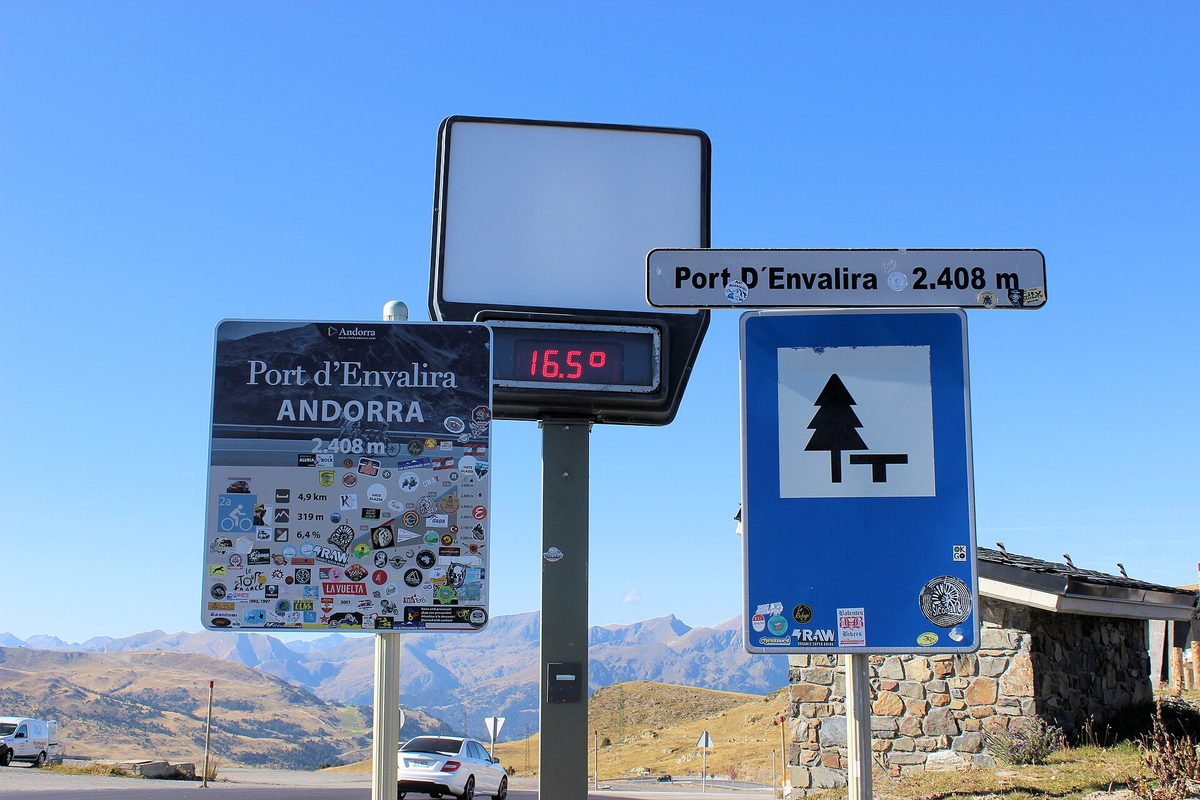
The stem of the Y is the Gran Valira valley: Sant Julià de Lòria near the Spanish border, then the capital Andorra la Vella fused seamlessly into Escaldes-Engordany (Caldea’s glass spire, the shopping mile, most hotels). The right arm climbs the Valira d’Orient through Encamp, Canillo (the attraction cluster: Roc del Quer, the Tibetan Bridge, the ice palace), then the ski towns of El Tarter and Soldeu, topping out at Pas de la Casa on the French border via the 2,408 m Port d’Envalira — the highest paved pass in the Pyrenees. The left arm follows the Valira del Nord to La Massana (bike park, big-mountain trailheads), pretty Ordino and the freeride mountain of Ordino Arcalís at the dead end.
Driving times from the capital, in normal conditions: Canillo ~15 min, Soldeu ~25 min, Pas de la Casa ~40 min, Ordino ~15 min, Arcalís ~35 min, the Spanish border ~10 min. Nothing is far — but nothing is fast either, and in winter snowfall can double those numbers. There’s no airport and no train station in the country; you’ll arrive by road from Barcelona or Toulouse (about 3 hours either way, ~€33–38 by direct coach). The full logistics — every bus, the sleeper-train trick, both driving doors — live in my guide to getting to Andorra.
Five rules before you build your days
1. Budget time in hairpins, not kilometres. Covered above, worth repeating, because it’s the single most common itinerary-wrecker. The country is small; the driving is slow. Two or three anchors per day.
2. The season flips the whole country. Early December to mid-April, Andorra is one big ski economy: 300+ km of pistes, full hotels, lift-pass logic. June to October it’s a hiking and via ferrata destination with empty roads and half-price rooms. The shoulder weeks (late April–May, November) are the dead zone — lifts shut, many mountain restaurants closed, weather moody. If your dates are flexible, read the month-by-month guide before locking anything.
3. Book the famous stuff ahead. Caldea sells out same-day slots routinely in high season; dog sledding and snowmobiling book out weeks ahead in winter; the Tibetan Bridge shuttle caps numbers. Two weeks’ notice is usually plenty, but “we’ll sort it when we arrive” fails here more than you’d expect for a country this size.
4. Know the 2026 Caldea trap. The main Thermoludíc (now “Classic”) circuit — the one in all the photos — is closed for maintenance from 7 April until roughly 17 July 2026, and the outdoor lagoon closes 18–31 July. The adults-only Premium (Inúu) side stays open throughout, at a higher price (€75 for 3 hours vs €43–46 for Classic). If a thermal soak is a pillar of your trip in spring/early summer 2026, check caldea.com before you commit — this exact closure has ambushed a lot of itineraries this year, including nearly mine.
5. You can do this without a car — with caveats. The L-series city buses run up both arms of the Y for €1.90–4.80 a ride, and they’re fine for the capital, Encamp, Canillo, Ordino and the ski bases. What they don’t serve well: trailheads, viewpoints, and anything at 7 am. There’s no Uber, and taxis are expensive. The no-car itinerary lower down is built around what the buses genuinely reach.
One day in Andorra: the sampler
Let’s be clear about what one day buys: the capital, lunch, and one headline experience. It’s a good day — I’d take it over no Andorra at all, and tens of thousands of Barcelona day-trippers do exactly this every year. Just don’t mistake it for seeing the country.
08:00 — Arrive. If you’re coming by coach, the first Direct Bus departures put you at the national bus station around late morning; drivers should aim to clear the border by 9:30, before the shopping traffic. Park once and leave the car: the Centre Ciutat car park is the flagship, about €2.90/hour, first 30 minutes free on surface spots.
10:00 — The old town circuit. Barri Antic is compact and genuinely lovely: Casa de la Vall, the 1580 stone manor that housed Andorra’s parliament for three centuries (€5, Tue–Sat 10:00–14:00 and 15:00–18:00 — closed Sunday and Monday, which catches people), the 12th-century Sant Esteve church, and the lanes around Plaça del Poble. Walk five minutes east to the Dalí: La Noblesse du Temps, a melting bronze clock gifted to Andorra by a friend of the artist, stands in the open, free, no museum required, at the foot of the Pont de París. The whole loop is 90 minutes done properly. My full Andorra la Vella guide has the longer version with the museums that are actually worth your euros (note: the Carmen Thyssen museum is closed for all of 2026 while it moves buildings).
12:30 — Lunch like a local. Order the menú del dia somewhere unfussy (€15–20 for three courses with wine), or commit to a borda — a converted stone barn doing escudella stew and grilled meat. Borda Estevet is the classic close to the centre.
14:00 — Pick ONE: Caldea or Canillo. This is the day’s big decision. Option A: three hours in Caldea’s lagoons (€46 afternoon Classic; book a slot online, and see the 2026 closure warning above). Option B: drive or bus 15 minutes up-valley to Canillo for the Roc del Quer viewpoint — a 20 m walkway ending in 12 m of glass-floored cantilever over a 500 m drop (€5, open roughly June–November) — and, if your legs say yes, the 603 m Tibetan Bridge strung 158 m above the Vall del Riu (€12, or €14.50 with the obligatory shuttle — there’s no walk-in access). Adrenaline beats chlorine for me, but I accept this is a personality test.
17:30 — The shopping mile. Avinguda Meritxell into Avinguda Carlemany: 1.5 pedestrian-ish kilometres of duty-free perfume, electronics and sports gear, open Sundays too. Even non-shoppers should walk it once for the people-watching. What’s actually worth buying — and the customs limits that surprise people at the border — is covered in the shopping guide.
19:30 — Out. Last coaches to Barcelona leave early evening; drivers should expect border queues on Sunday evenings and sale weekends.
Verdict: is one day in Andorra enough? Enough to understand the appeal, not enough to feel the country. You’ll see the capital and one wonder. The mountains — the entire point of Andorra — stay scenery through a windscreen.
Two days in Andorra: the essentials, properly
Two days is where an Andorra trip stops being an errand and starts being a holiday. Sleep in the capital or Escaldes both nights.
Day 1 — The capital valley
Run the one-day morning as written: old town, Casa de la Vall, the Dalí, lunch in a borda. Then give the afternoon to Caldea without watching the clock — the three-hour Classic pass (€43 morning/evening, €46 afternoon, early-bird from €30.50) is the standard play; the 16+ Premium side (€75) is calmer and includes saunas and treatments-adjacent extras that justify the gap on a special occasion. Evening: stroll Vivand, the fully pedestrian Escaldes stretch of the shopping mile, and eat late — this is a Catalan-clock country.
Day 2 — The Canillo day
The single best non-ski day in Andorra, and it’s not close. Morning at Roc del Quer (go before 11:00 and you may have the glass tongue to yourself on a weekday; the bronze thinker statue at the tip is by Miguel Ángel González). Midday on the Tibetan Bridge — book the first afternoon shuttle, wear a layer, the wind funnels through the valley. Then drive the Valira d’Orient all the way up: Soldeu, Grau Roig, and over the 2,408 m Port d’Envalira for the full Pyrenean amphitheatre. Stop in Pas de la Casa if you want the duty-free-frontier-town experience (the architecture is honestly ugly; the views and fuel prices compensate), then roll back down for dinner. In winter, swap all of this for a ski day — details in the three-day plan.

Three days in Andorra: the sweet spot
Three days is the plan I push on friends. It fits a long weekend, covers the country’s three personalities — urban, engineered-spectacle, wild — and leaves margin for weather, which the Pyrenees will spend at some point, I promise.
Day 1 — Arrive + capital + spa
As Day 1 above. If you arrived by car and have energy left, the Engolasters lake road above Escaldes is a 20-minute detour to a pine-ringed reservoir with the capital glittering below — a nice soft landing.
Day 2 — Canillo’s greatest hits + the high pass
As Day 2 above. Families can swap the Envalira leg for Mon(t) Magic above Canillo (alpine coaster, zipline) or the Palau de Gel’s Olympic ice rink — both genuinely good, not theme-park filler.
Day 3 — The mountain day (this is where the season decides)
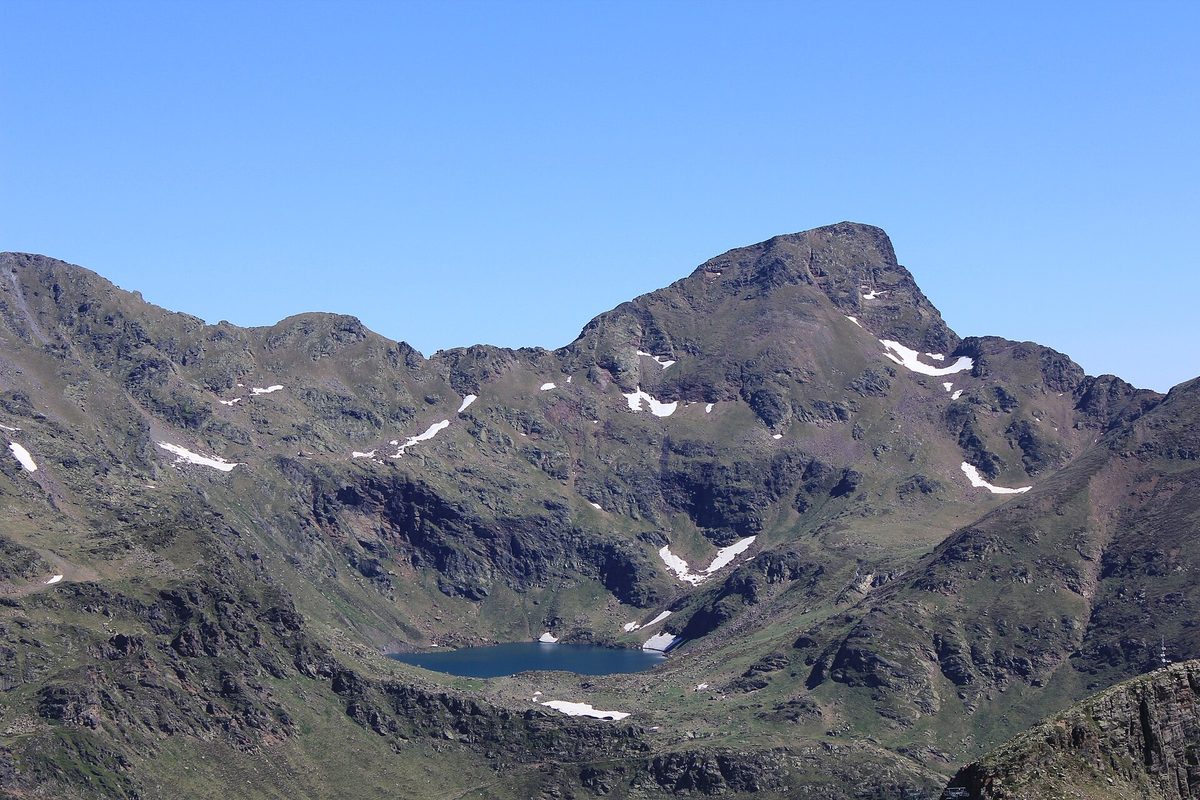
drive the left arm of the Y to Ordino Arcalís and walk the Tristaina lakes loop — three glacial lakes in a granite bowl, about 5 km, 90 minutes to 2.5 hours depending on how often you stop to gawp, free, and the single best effort-to-reward ratio in the country. The Tristaina gondola shortcuts the climb when it’s running. Roll back through Ordino village (cobbles, the Casa d’Areny-Plandolit manor, a calm that the capital never manages) for a long lunch. If you’d rather sweat: La Massana’s bike park or a via ferrata — the country has 20+ routes. The deeper menu is in the things-to-do guide.
ski. One day means one sector done well, not a frantic tour: beginners and mixed groups should base at Soldeu’s Espiolets plateau, confident intermediates lap El Tarter or Grau Roig, and if it’s snowed recently, the freeriders’ answer is Ordino Arcalís — “La Nevera”, the fridge, where the powder keeps. Day passes run €50–65 dynamic pricing; buy online days ahead for the cheap end. Everything — sectors, schools, costs, where not to bother — is in the full skiing in Andorra guide.
Four to five days in Andorra: depth without padding
Five days was my favourite trip length here. You keep the three-day skeleton and add the two things it can’t fit: a signature activity you’ll talk about for years, and the unhurried valley day that makes Andorra feel like a place people live rather than a retail park with peaks.
Day 4 — The signature activity
Pick by season and book ahead — these are the first things to sell out:
- Winter: dog sledding out of Grau Roig (a genuinely strange, wonderful hour standing on runners behind eight enthusiastic huskies), snowmobiling, or simply a second ski day in a different sector — Pal Arinsal for families and wide confidence-building pistes, Arcalís for snow quality.
- Summer: the Coma Pedrosa ascent for fit hikers — 2,942 m, the country’s roof, a proper 6–7 hour day from Arinsal; or canyoning; or Naturland’s Tobotronc in Sant Julià, a 5.3 km alpine slide through forest that adults pretend to ride for their children (€20–25). Book mountain refuges and guides 2–4 weeks out in August.
Day 5 — The Ordino valley, slowly
Ordino in the morning: the Areny-Plandolit house museum, coffee in the square, the Sorteny botanical valley if flowers are your thing (late June is peak). Lunch at a borda in La Massana — Borda Raubert does the rustic thing without the tourist mark-up. Afternoon: either the Tristaina loop if you saved it, or nothing at all, which by day five is a legitimate itinerary item. Final evening back in Escaldes for the farewell dinner — book somewhere with terrace over Vivand and watch the duty-free bags migrate south.
With four days instead of five, merge Days 4 and 5: activity in the morning, Ordino village in the late afternoon. It works; you just feel the seams.

A week in Andorra: the slow version
Seven days sounds excessive for 468 km². It isn’t, provided you’re an outdoors person; if you’re not, cap at four and spend the difference in Barcelona. The week plan:
- Days 1–5: as above, but slower — split the Canillo day in two, take the spa twice (morning slots are cheapest and emptiest), add the Madriu valley.
- Day 6 — Madriu-Perafita-Claror: Andorra’s UNESCO World Heritage valley, a tenth of the country with no road into it. You walk in or you don’t see it — from Escaldes the classic route climbs old shepherd paths past stone orris huts into a hanging valley that has opted out of the last two centuries. Free, wild, and the strongest argument that Andorra is more than its shopping receipts. Serious walkers can extend to the Coronallacs hut-to-hut circuit (~92 km, 4–5 days, a trip in itself for another visit).
- Day 7 — The day trip out: La Seu d’Urgell, 10 minutes over the Spanish border, gives you a 12th-century Romanesque cathedral (the finest in Catalonia), an old town with arcaded lanes, and the 1992 Olympic whitewater park. In winter, a second-country ski morning at Porte-Puymorens on the French side is a fun flex. Or, in honesty: a final ski/hike day, because that’s what you’ll actually do.
Winter vs summer: same skeleton, different country
The capital day and the spa work year-round. Almost everything else swaps. The matrix:
| Itinerary slot | Winter (Dec–mid Apr) | Summer (Jun–Oct) |
|---|---|---|
| The mountain day | Ski Grandvalira (210 km of pistes) or Arcalís | Tristaina lakes loop, via ferrata, bike park |
| The big viewpoint | Envalira pass (conditions permitting); Roc del Quer usually shut | Roc del Quer (€5) + Tibetan Bridge (€12) |
| Signature activity | Dog sledding, snowmobile, night skiing | Coma Pedrosa summit, canyoning, Tobotronc |
| The wild valley | Snowshoe routes (guided) | Madriu UNESCO valley on foot |
| Driving | Winter tyres/chains legally required Nov 1–May 15 | Easy; passes all open |
| Crowds & prices | Peak: holidays + Feb; book everything | Quiet outside August; hotels ~half winter rates |
The dead zones — late April through May, and November — are the cheapest weeks and my least favourite: lifts closed, trails still snowbound up high, Caldea historically using the lull for maintenance. If those are your only dates, build the trip on the capital, the spa (check openings), shopping and low-valley walks, and keep expectations honest. More in the when-to-visit guide.
One 2026-specific note for summer planners: the principality has a livelier events calendar than people expect — the Falles fire festival on 23 June (UNESCO-listed), Cirque du Soleil’s residency in the capital from 3 July to 2 August (€25–59, Tue–Sat at 22:00), the capital’s Festa Major the first weekend of August, and Meritxell Day on 8 September, when the whole country takes the day off. Worth aligning a trip to; worth knowing about even if you don’t.
Where to base yourself (one base beats clever multi-stops)
Andorra is small enough that moving hotels mid-trip costs more faff than it saves driving. Pick one base for the whole stay and commute — nothing on these itineraries is more than 40 minutes from anywhere else. The decision tree:
Andorra la Vella / Escaldes is the default, and rightly so for first visits: the biggest hotel stock at every price, Caldea on foot, the restaurants and the mile outside the door, both valley arms equidistant. The trade-off is urban noise and zero ski-out. If your trip is the 1–3 day plan above, base here and don’t overthink it.
Soldeu or El Tarter for ski trips: lifts on the doorstep, the country’s best ski school, a proper après scene at L’Abarset without Pas de la Casa’s stag-party energy. In summer these towns go quiet — pleasant, cheap, but you’ll drive for dinner choices.
Ordino or La Massana for summer mountain trips: village charm the capital lacks, trailheads in every direction, bordas with terraces. La Massana also has the gondola straight into Pal Arinsal for winter families.
Pas de la Casa only if snow-first economics drive you: highest town, reliable cover, France-facing convenience, duty-free everything — and concrete-block architecture that no one has ever photographed on purpose. I’ve stayed there happily for the skiing. I have never once lingered after breakfast.
Canillo or Encamp are the value picks: cheaper beds, the Palau de Gel and Mon(t) Magic on hand in Canillo, and Encamp’s Funicamp gondola giving winter visitors a car-free route onto the Grandvalira snow. Both put you 10–15 minutes from the capital by bus.
Itineraries by traveller type
Skiers
Forget the geography tour: base in Soldeu or El Tarter, ski four of five days, and use the off-day for Caldea and the capital. A long weekend works beautifully — fly into Toulouse or Barcelona Thursday night, ski Friday to Sunday, out Monday. If you hold an Ikon Pass, Grandvalira is included (7 days on the full pass, 5 with blackouts on Base) — one of Europe’s quietly great Ikon redemptions. Sector strategy, base-town comparisons and the real costs are in the complete skiing guide.
Hikers
June through September. Base in Ordino or La Massana rather than the capital — you’ll start closer to the trailheads and sleep better. The progression I’d run over five days: Tristaina lakes (warm-up), Sorteny valley (botany and gentle), Juclar lakes from the Incles valley (the summer shuttle manages the road), Coma Pedrosa (the big one), Madriu (the soul). The country packs 120+ km of GRP circuit into its borders, and the bus network genuinely reaches more trailheads than you’d guess.
Families
Three to four days. The capital’s elevators-and-old-stones hour, Mon(t) Magic and the Palau de Gel in Canillo, the Tibetan Bridge for brave tweens (it’s wide and caged — scary is the wind, not the engineering), Naturland’s Tobotronc, and Caldea’s family side (under-5s aren’t admitted to the main circuit; 3–4 year olds get the Likids area). Winter families: Pal Arinsal over Grandvalira — gentler, cheaper, less scene.
Spa-and-shopping weekenders
Two days, no car needed. Coach in, hotel on Vivand, alternate lagoon sessions with the mile. Do the old town between purchases — it takes an hour and you’ll feel less like a wallet with legs. Know your customs allowances before you over-buy: per adult it’s 300 cigarettes, 1.5 L of spirits, and €900 of general goods, and the borders do check on busy weekends.
No-car visitors
Entirely doable and cheaper than people think. Coach from Barcelona (~€33–35, ~16 departures daily) or Toulouse (~€36–38, 4 daily) to the national bus station. Then: L2/L3 buses up the east arm (Encamp, Canillo, Soldeu, Pas de la Casa), L5/L6 up the north arm (La Massana/Arinsal, Ordino), €1.90–4.80 a ride on zone fares. The Tibetan Bridge shuttle leaves from Canillo, which the bus reaches; Roc del Quer is the awkward one (km 6.5 of the Canillo–Ordino road — taxi, or walk the road hard shoulder early). Skiers without cars should base at a lift town, or use the Funicamp gondola straight out of Encamp — it’s included in winter Grandvalira passes. Full bus tactics in the transport guide.
What an Andorra itinerary actually costs
Per person, sharing a mid-range double, 2025/26–2026 prices. Andorra runs noticeably cheaper than the Alps and slightly cheaper than Barcelona for equivalent quality — with the big seasonal caveat that winter weekends can double room rates.
| Line item | Budget | Mid-range | Treat yourself |
|---|---|---|---|
| Coach return from Barcelona/Toulouse | €60–75 | €60–75 | €60–75 (or private transfer ~€250+) |
| Hotel per night | €35–60 | €70–120 | €150–300 (5* spa hotels) |
| Food per day | €25–35 (menús + market) | €45–65 | €90+ |
| Caldea session | €30.50 early-bird | €43–46 Classic | €75 Premium |
| Canillo trio (Roc del Quer + bridge + shuttle) | €19.50 flat — the best-value half day in the country | ||
| Ski day (pass only) | €50–55 booked early | €55–65 | +€35–50/day rental + school |
| 3-day trip, all-in | ~€280–350 | ~€450–600 | €900+ |
Summer travellers: lop 20–30% off the hotel line. Winter ski-weekenders: add the rental gear and expect the higher pass price, and book January for the best snow-to-price ratio. Cash isn’t necessary — cards work everywhere — and the fuel is famously cheap (typically 10–20 cents under Spain, 30–50 under France), so drivers should arrive near-empty and leave full.
When to book what: the timeline
- 6–8 weeks out (winter trips): hotel and ski passes — dynamic pricing punishes procrastinators on peak weeks (Christmas–New Year, February half-terms). Dog sledding and snowmobiles for holiday weeks.
- 3–4 weeks out: summer hotels in August; mountain guides; refuge beds for Coma Pedrosa-style days.
- 1–2 weeks out: Caldea slot (and re-check the 2026 maintenance calendar), Tibetan Bridge shuttle, restaurant bookings for Friday/Saturday nights.
- 48 hours out: weather check — the Pyrenees will edit your plan, so know which day is your flex day; coach seats if travelling light on a weekday.
- Never needed: tickets for Roc del Quer (buy at the gate), the old town, Madriu (it’s a valley, it doesn’t sell out), shopping (sadly).
Sample 3-day itinerary at a glance
The whole sweet-spot plan on one screen, for the people who scrolled straight here (I see you, and I respect it):
| Time | Day 1 — Capital | Day 2 — Canillo | Day 3 — Mountains |
|---|---|---|---|
| Morning | Arrive; Barri Antic, Casa de la Vall (€5), the Dalí clock | Roc del Quer glass viewpoint (€5) | Summer: Tristaina lakes loop · Winter: ski Soldeu/El Tarter (€50–65) |
| Lunch | Borda Estevet or a menú del dia (€15–20) | Canillo village | Mountain restaurant / Ordino square |
| Afternoon | Caldea Classic 3h session (€43–46) | Tibetan Bridge (€14.50 w/ shuttle), drive Port d’Envalira | Summer: Ordino village + Areny-Plandolit · Winter: more skiing |
| Evening | Vivand stroll, dinner in Escaldes | Pas de la Casa detour or early borda dinner | Farewell dinner; pack the duty-free |
Five itinerary mistakes I keep watching people make
Treating it as Barcelona’s 11th arrondissement. The day trip is fine; judging the country by one shopping street and a bus ride is not. If the day trip is all your schedule allows, at least spend the afternoon in Canillo rather than a third hour of perfume arbitrage.
Scheduling both valley arms in one day. Arcalís to Pas de la Casa is only ~45 km — and the best part of 90 minutes of driving. One arm per day. The Y is not a suggestion.
Arriving in May or November expecting the brochure. Lifts shut, high trails snowbound, spa historically in maintenance, half the mountain restaurants dark. Those months have their fans (price, solitude); first-timers are rarely among them.
Ignoring the booking windows. The 2026 pattern repeats every year: Caldea slots, bridge shuttles, huskies and August refuges go first. Andorra is small. Capacity is small. Book the headline acts, wing the rest.
Over-indexing on the shopping. The duty-free mile is genuinely useful for perfume, spirits and sports gear — and a deeply mediocre reason to visit a country that contains a UNESCO wilderness valley and the Pyrenees’ biggest ski area. Buy on the last day, on the way out, within your allowances; spend the saved hours at altitude.
Andorra itinerary FAQ
Is one day in Andorra enough?
Enough for the capital, lunch and one big sight — a worthwhile sampler from Barcelona, especially with shopping motives. It is not enough to touch the mountains, which are the actual point. If you can stretch to two nights, the country repays it disproportionately.
How many days do most people spend?
Day-trippers aside, the standard visits are 2–3 nights (city + spa + Canillo + one mountain day) and 4–5 for skiers and hikers. A week suits slow travellers and serious outdoor people; beyond that you’d want to be working remotely or learning Catalan.
Can I do this itinerary without a car?
Yes — the coach gets you in, and the L-series buses cover the capital, Encamp, Canillo, Soldeu, Pas de la Casa, La Massana and Ordino for €1.90–4.80 a hop. You lose the viewpoints and trailheads off the bus lines (Roc del Quer being the annoying one) and the 7 am starts. Renting for a single “mountain day” mid-trip is a tidy compromise.
What’s the best month for a first visit?
For the full menu above: late June to mid-September (everything open, warm valleys, alpine flowers) or January to March (proper ski conditions, post-holiday prices). September is my personal answer — warm, empty, golden. The complete month-by-month verdicts are in the best-time guide.
Is Andorra expensive?
No, by mountain-Europe standards. Three-course menús at €15–20, ski passes €50–65 against €70+ in big Alpine names, mid-range rooms €70–120, fuel and shopping cheaper than either neighbour. Caldea Premium and 5-star ski hotels are where the bill grows teeth.
Andorra in winter vs summer — which is better for a first trip?
Winter if skiing matters to you at all; the 300+ km of linked pistes are the country’s masterpiece. Summer if you hike, or want the same scenery for half the accommodation cost. The capital, Caldea and shopping are constants. Just avoid building a first trip in May or November.
Do I need to pre-book Caldea and the Tibetan Bridge?
In high season, yes, both — Caldea slots and the bridge shuttle cap out. A week’s notice usually suffices outside holiday peaks. And for 2026 specifically: Caldea’s Classic circuit is shut until ~17 July, so check what you’re actually buying.
Is the drive into Andorra difficult?
From Spain: gentle, toll-free on the N-145. From France: a proper mountain climb to 2,408 m (or the paid Envalira tunnel), with winter equipment legally required 1 November to 15 May. Coaches handle both happily. Route-by-route detail, including the Paris sleeper-train trick, is in the getting-there guide.
What should I skip?
The wax museum genre of attractions, electronics “deals” you haven’t price-checked against home, and trying to see both arms of the Y in one day with a lunch booking in between. Andorra rewards the person who does less, better — on a 3-day trip, one valley per day is the whole secret.
The bottom line
Give Andorra three days. That’s the trip this country was shaped for: one day for the capital and the lagoons, one for Canillo’s glass-and-cable theatrics and the highest road in the Pyrenees, one for the mountains on foot or on skis. Two days covers the essentials at a jog; five lets you add huskies or a 2,942 m summit and still eat three long lunches. The day trip is a sampler — take it if it’s that or nothing, but know which one you’re getting.
Whatever length you land on, the operating rules are constant: one valley arm per day, headline acts booked ahead, season checked twice, shopping last. Start with the getting-there logistics, raid the full things-to-do list for substitutions that match your people, and if the dates are still movable, settle them with the month-by-month guide. Dedicated deep-dives into each trip length — the one-day plan, the weekend, the ski weekend, the summer version — are publishing on this site over the coming weeks. The mountains will wait. They’re good at it.
Itineraries & Day Trips: the in-depth guides
Each topic on this page has a dedicated guide:
- Day Trip to Andorra from Barcelona — An Honest Guide
- One Day in Andorra — Make It Count
- A Weekend in Andorra — The 2-Day Itinerary
- 3 Days in Andorra — The Ideal First-Timer Itinerary
- Day Trips from Andorra — La Seu d’Urgell, Ax-les-Thermes and Beyond
- Andorra Summer Itinerary — Lakes, Via Ferrata and Long Lunches
- The Perfect Andorra Ski Weekend (Friday Night to Sunday Last Lift)
- 5 Days in Andorra — Slow Down and See It All
Related Andorra travel guides
Keep planning your trip with my other in-depth Andorra guides — including where to stay, Andorra’s villages, practical travel tips, and the history of Andorra.
Photo credits
All photographs are from Wikimedia Commons under their stated licences, with thanks to the photographers:
- Photo: Antoine Beauvillain, CC0, via Wikimedia Commons — source
- Photo: Alberto-g-rovi, CC BY 3.0, via Wikimedia Commons — source
- Photo: Ferran Llorens, CC BY-SA 2.0, via Wikimedia Commons — source
- Photo: Andrey Romanenko, CC BY-SA 4.0, via Wikimedia Commons — source
- Photo: Grenzlandstern, CC BY-SA 4.0, via Wikimedia Commons — source


3 comments
Comments are closed.