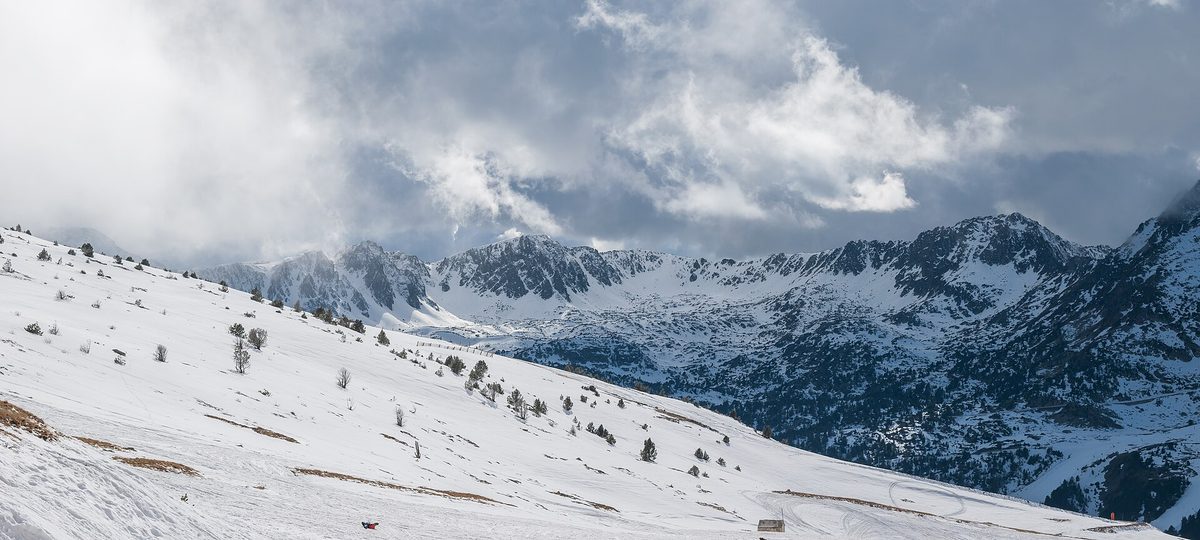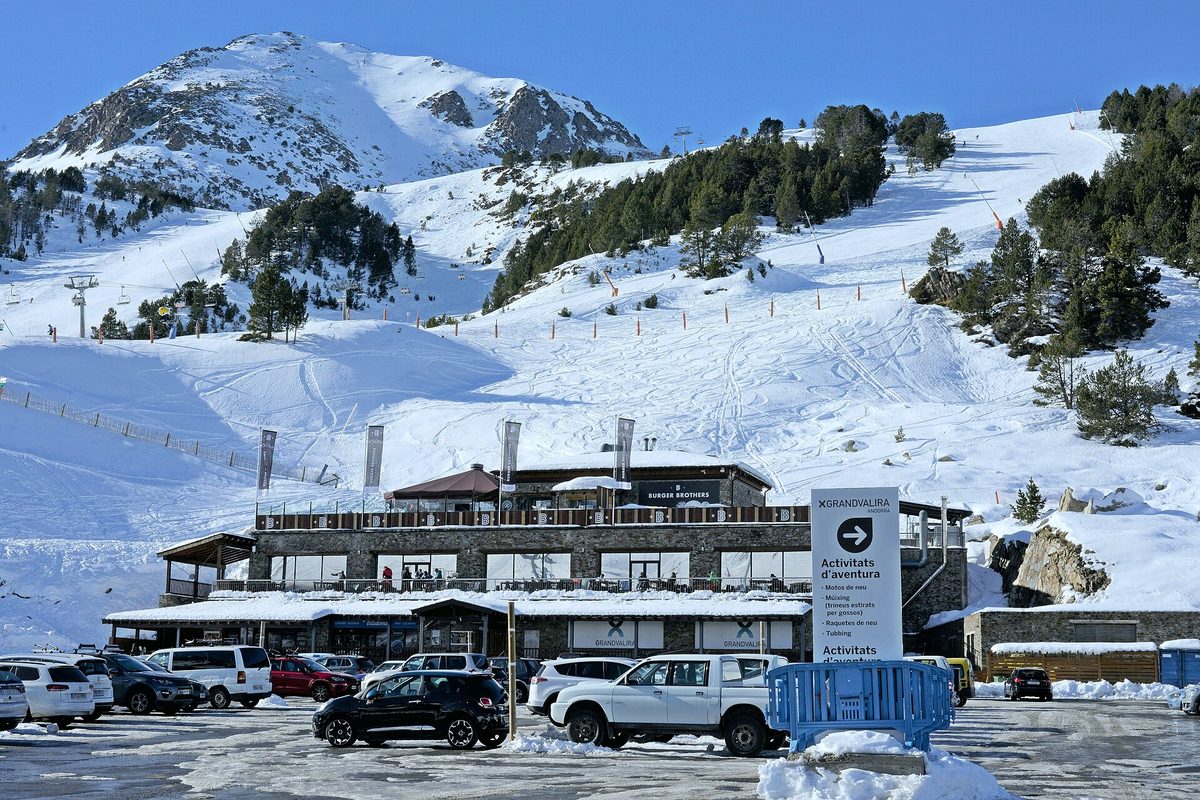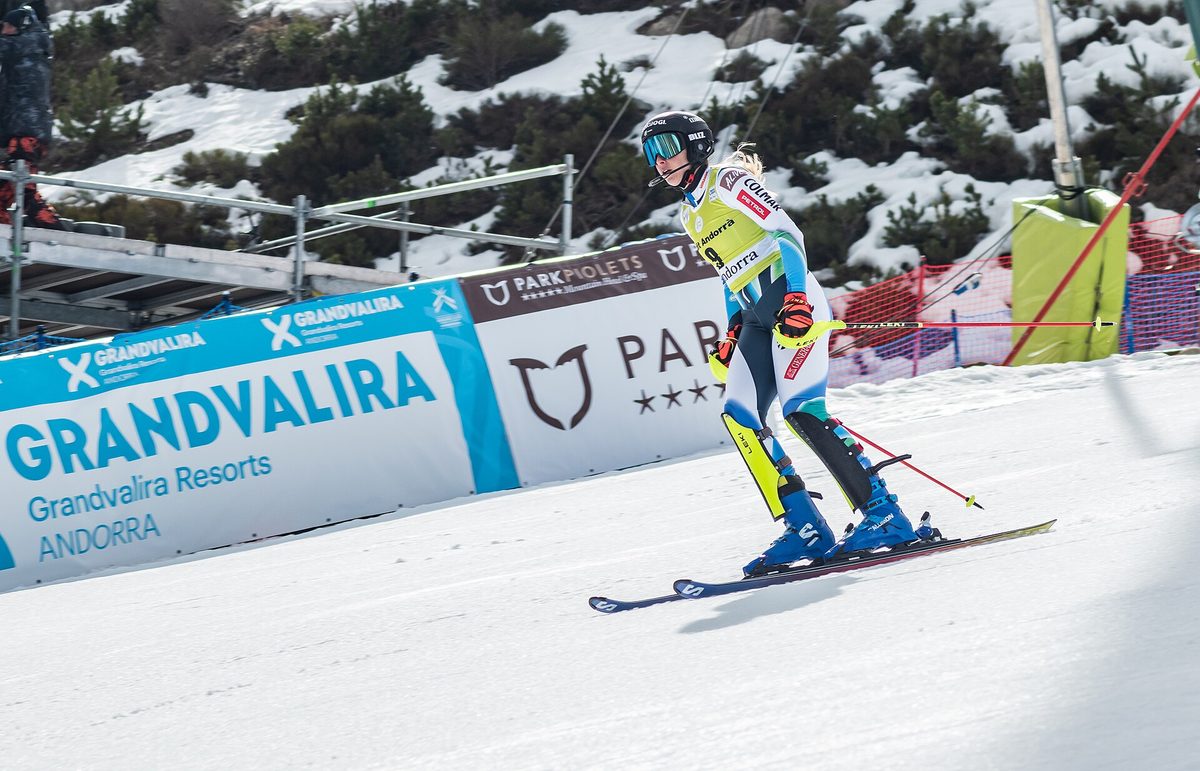
Winter is when Andorra stops being a quiz-night answer and starts making sense. All those jokes about a country you can’t find on a map melt away the moment you’re standing at 2,400 metres on a bluebird morning, 200-odd kilometres of pisted snow rolling away beneath you, with a thermal spa and a duty-free dinner waiting back down in the valley. This is the season the whole place is built for.
Andorra in winter is a snow-sure, tax-free mountain playground: more than 300 km of skiing across three areas, Europe’s largest thermal spa to soak away the aches, and Christmas markets in the capital. The season runs from early December to April, with January the coldest and snowiest and March the sunniest. This guide covers the skiing, the off-slope activities, the spas, the weather and the practicalities — for anyone planning a winter trip, whether or not they ever intend to clip into a pair of skis.
Last updated: July 2026. Season dates, opening times and prices below reference recent winters and shift year to year — check the resort and Caldea websites for current details before booking.
| Winter month | What it’s like | Best for |
|---|---|---|
| December | Season opens; Christmas markets; early snow building | Festive breaks, early-season deals |
| January | Coldest, most reliable snow; quieter after New Year | Best snow, fewer crowds |
| February | Peak season, school holidays, busiest and priciest | Guaranteed conditions, lively resorts |
| March | Longer, sunnier days; firm morning snow, slushy afternoons | Spring skiing, sunshine, value |
| Early April | Season winding down; high sectors still good | Late-season bargains, quiet slopes |
Andorra in winter: what to expect
The pitch is simple and genuinely compelling. Andorra sits high in the Pyrenees — the capital is at over 1,000 metres and the slopes climb past 2,600 — so it holds snow reliably from December to April, backed by extensive snowmaking. It’s cheaper than the Alps for lift passes, lessons, food and drink, thanks to its low-tax status. And it pairs the skiing with two things the Alps can’t match at this price: Europe’s biggest thermal spa complex, and wall-to-wall duty-free shopping. Add roughly 300 days of sunshine a year and you get a winter that’s high, bright and sociable rather than grey and grim.
It’s not flawless, and I’ll be honest about the trade-offs as we go — the resorts prize function over Alpine charm, February is busy and pricey, and getting here still means a three-hour drive from an airport, as I cover in how to get to Andorra. But for a snow-sure, good-value, sunny winter week with a spa on the side, it’s hard to beat. If you’re weighing seasons, my guide to the best time to visit Andorra sets winter against the rest of the year.
The ski season, month by month
Winter isn’t one thing here; each month skis differently, so match your trip to what you want.
December opens the season, usually in the first week, and builds through the month. Early December can be thin on natural snow but is cheap and quiet; the back half brings the Christmas magic and generally reliable cover on the higher sectors. January is my pick for snow: the coldest month, the most reliable conditions, and — once the New Year crowds go home — a lovely quiet window with cold, dry powder. February is peak season, coinciding with European school holidays; conditions are excellent but the resorts are at their busiest and priciest, so book well ahead. March shifts into spring skiing: longer, sunnier days, firm snow first thing that softens to slush by afternoon, and a friendlier, cheaper vibe. Early April winds things down, but the high sectors like Pas de la Casa and Arcalís often ski well to the end. For a deeper look at the season’s rhythm and exactly when the snow arrives, see my guide to when it snows in Andorra.
Skiing and snowboarding: the three areas
Skiing is the headline act, and Andorra punches well above its size with more than 300 km of pistes split across three linked or standalone areas.
Grandvalira is the giant — around 210 km of runs across seven linked sectors from Pas de la Casa on the French border through Grau Roig, Soldeu and El Tarter to Encamp. It’s the largest ski area in the Pyrenees, brilliant for intermediates and beginners, with the rowdiest après in Pas de la Casa. Pal Arinsal (part of the Vallnord grouping) is the friendly, family-focused area above La Massana and Arinsal, superb for learners and lower-key nights. Ordino-Arcalís, at the head of the northern valley, is the wild, scenic one — the best off-piste and freeride terrain, quieter and more dramatic, a favourite of stronger skiers. Between them they cover every ability. I break down which suits whom, plus lift passes and lessons, in my full guide to skiing in Andorra and the flagship Grandvalira area.
What makes the skiing here so good value isn’t just the price — it’s the snow reliability at altitude and the sheer amount of English-speaking ski school, which made Andorra a beginner favourite for the British and Irish market. If you’re learning, this is one of the best-value places in Europe to do it.
Where to base yourself in winter
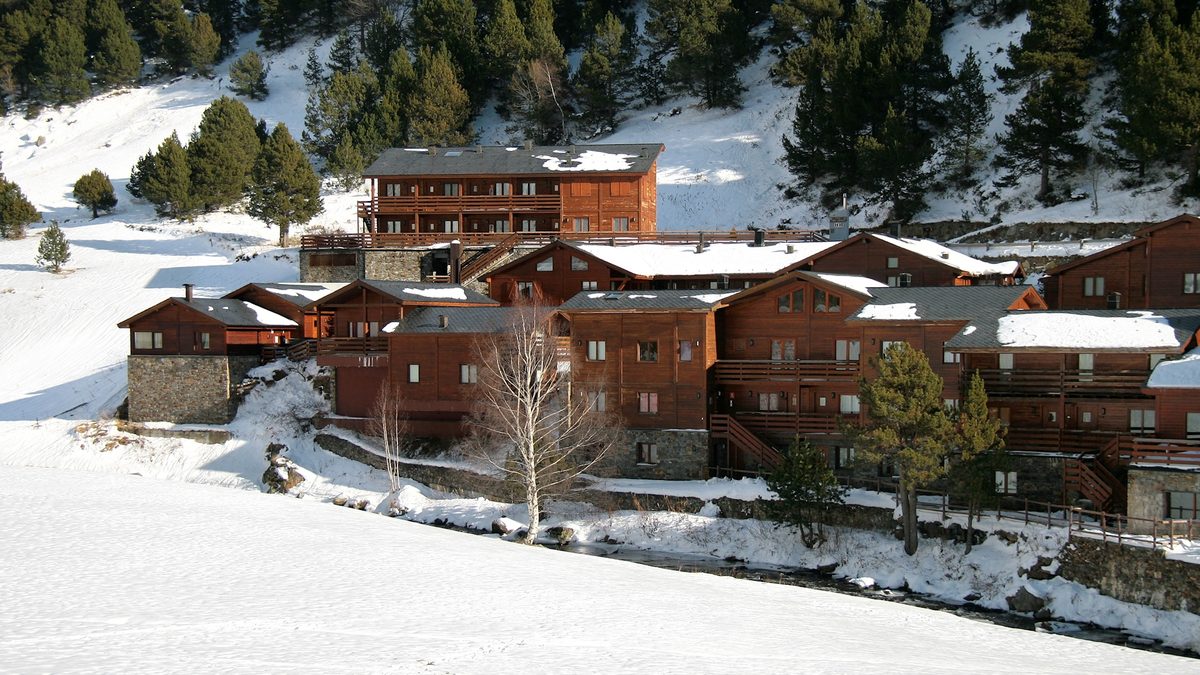
Where you stay shapes your whole winter trip, so match the base to your priorities. Soldeu and El Tarter are the polished, ski-in/ski-out heart of Grandvalira — central for the skiing, good for families and mixed groups. Pas de la Casa is the high, snow-sure party town on the French border: cheap, lively, doorstep snow, no charm. Encamp is the budget-savvy pick, down in the valley but linked straight into the ski area by the Funicamp gondola. Arinsal and La Massana serve the friendly Pal Arinsal slopes with a quieter, learner-friendly feel. And Andorra la Vella or Escaldes put you among the shops and the Caldea spa, with buses up to the snow — ideal if skiing is only part of the plan. I compare them all properly in my guide to where to stay in Andorra, with deeper looks at Soldeu and Pas de la Casa. My rough steer: skiers who want doorstep snow pick Soldeu or Pas; budget skiers pick Encamp; spa-and-shop types pick the capital.
Beyond the slopes: winter activities
Andorra works hard to entertain non-skiers and rest-day skiers, and the off-slope menu is genuinely good. You can go snowshoeing through silent pine forests, try dog-sledding or snowmobiling from the Grau Roig base above Pas de la Casa, or take the kids to Naturland at Sant Julià de Lòria, home to the Tobotronc — billed as the world’s longest alpine toboggan run, a two-and-a-half-kilometre rail sled through the forest that’s a hit summer and winter. There’s ice-driving, tubing, and Nordic skiing for the calmer-minded. Even committed pisted-piste skiers should carve out a half-day for one of these; the dog-sledding at dusk is the kind of thing that turns a ski holiday into a proper winter adventure. For the wider list across the year, see things to do in Andorra.
Apres-ski and winter evenings
Andorra’s after-dark scene is livelier than its size suggests, and it clusters by resort. Pas de la Casa owns the rowdy end — slope-side terraces that build to proper nightclubs, the Pyrenean cousin of a full-on Alpine party town. Soldeu and El Tarter are more mixed and grown-up, with good mountain restaurants and relaxed bars. Down in the capital, the evenings are about duty-free dinners, cocktails and the spa rather than ski boots and shots. Whatever your speed, the pattern is the same: ski hard, soak in a hot tub or the thermal spa, eat well and cheaply, and either dance or sleep depending on your resort and your years. It’s a sociable, unpretentious winter nightlife, and the value extends to the bar tab — those duty-free prices reach the drinks too.
Thermal steam: Caldea and the spa culture
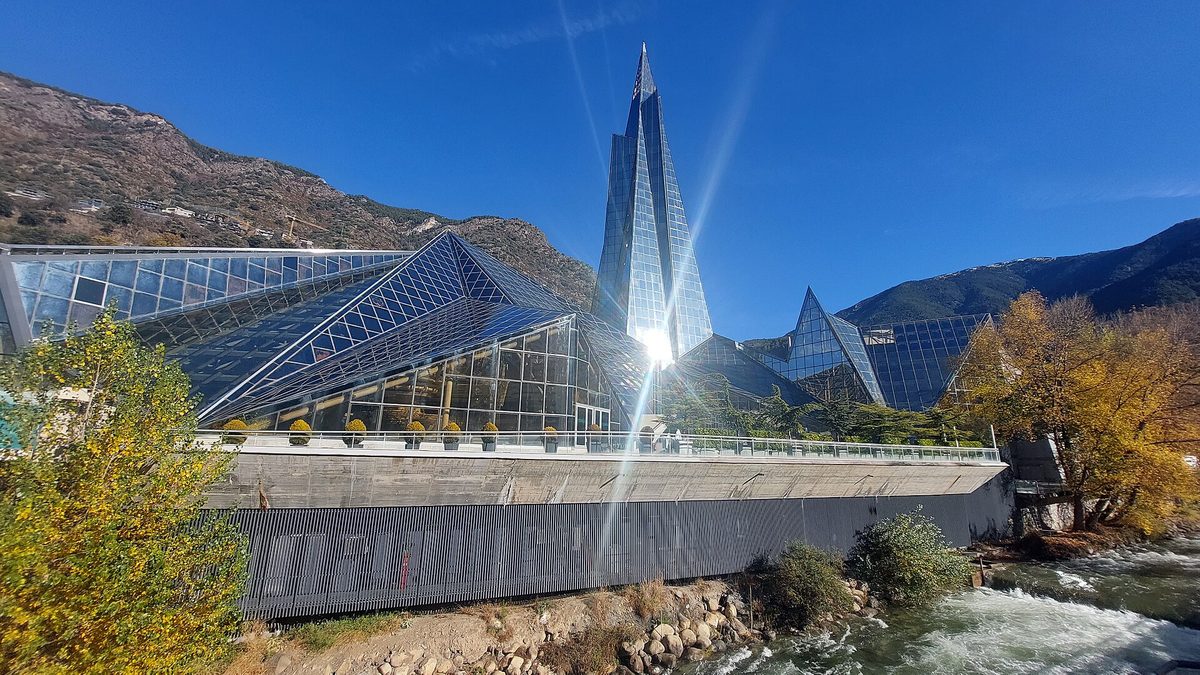
Here’s Andorra’s secret winter weapon, and the “thermal steam” of this guide’s title. Down in Escaldes-Engordany, fed by natural hot springs, sits Caldea — the largest thermal spa complex in southern Europe, a striking glass pyramid of lagoons, jacuzzis, saunas and hammams. Floating in 32°C water while snow falls on the glass roof, after a day that has thoroughly beaten your legs, is one of the great pleasures of an Andorran winter, and the correct way to end a ski day. There’s a family-friendly main complex and a quieter adults-only spa (Inúu) next door for serious unwinding. It’s genuinely world-class, and it’s a ten-minute bus ride from the capital. I’ve written it up in full in my guide to Caldea; if you do one non-ski thing this winter, make it this.
Christmas and New Year in Andorra
The festive season is a lovely time to come, especially if the hard-core skiing matters less than the atmosphere. Andorra la Vella and Escaldes dress up with lights, an outdoor ice rink and the Poblet de Nadal Christmas village, and the duty-free shopping streets go into full festive swing — this is a serious shopping destination, and Christmas is its peak, as I explain in shopping in Andorra. New Year sees torchlight descents and fireworks at the resorts. It’s worth knowing that the fortnight around Christmas and New Year is both magical and among the busiest and dearest of the season, so book early and expect company on the slopes. Early December, before the crowds, is the quiet festive sweet spot.
A perfect winter week: a sample plan
To pull it together, here’s how I’d spend a classic seven nights. Arrive on a Saturday or, better, a Sunday to dodge changeover crowds, and settle into your base. Days one to two: ease into the skiing on the home pistes, book ski school for the first morning if you’re learning, and find your legs. Day three: range further across Grandvalira — ski from Pas de la Casa through Grau Roig towards Soldeu and back, lunch on the mountain. Day four: a rest day, or half a day — swap the skis for a dog-sled or snowshoe trip, then a long afternoon at Caldea to reset the legs. Day five: chase the best snow, perhaps a trip up to wild Ordino-Arcalís for the off-piste and the views. Day six: a slower morning, a duty-free shop, a final blast on the slopes, and a big last dinner. It balances hard skiing with the spa-and-shopping that makes an Andorran winter distinct — and it’s easily done car-free. Lift-pass and lesson budgeting is in my guide to Andorra ski pass prices.
Weather, temperatures and what to pack
Andorran winter weather is cold, bright and mercifully sunny — around 300 days of sunshine a year is no small thing when you’re used to grey Alpine murk. In the valley, December and January days hover around freezing, dropping several degrees below at night; up on the slopes it’s colder still, and wind on the high, exposed sectors like Pas de la Casa can bite. February is reliably cold and snowy; March warms noticeably, with mild, sunny afternoons that soften the snow.
Pack accordingly: proper layers, a warm waterproof ski jacket and trousers, gloves, a hat and high-factor sun cream (the altitude sun is fierce, even in cold air). Bring or rent good ski socks and consider hand-warmers for the coldest January days. And leave room in the case — you’ll fill it with duty-free on the way home. For a fuller month-by-month temperature picture across the whole year, the best time to visit guide has the detail.
Getting there and around in winter
Winter is exactly when the journey needs most thought. Most visitors fly to Barcelona or Toulouse and take a coach or drive the last three hours — but in winter that drive is real mountain motoring, with winter tyres or chains required by law from November, as I spell out in driving to Andorra. Ski-season Saturdays are the busy changeover day, so book buses ahead and pad your connections. Once you’re here, you rarely need a car: cheap national buses and ski shuttles link the resorts, and basing near the Funicamp gondola at Encamp gets you into Grandvalira without driving at all, as I cover in getting around Andorra. Plan the arrival well and the snow does the rest.
Andorra in winter with children
Andorra is a genuinely strong family choice in winter, which isn’t an accident — it built its reputation on beginner-friendly slopes and English-speaking ski schools. Little ones can start in the roped-off nursery zones on real high-altitude snow, with plenty of instructors used to nervous first-timers. Off the slopes, the family wins keep coming: the Tobotronc toboggan and snow-play areas at Naturland, the family lagoons at Caldea, tubing and husky rides, and an ice rink and Christmas village in the capital. Practicalities are easy too — children’s bus fares are low, resorts like Soldeu and El Tarter offer ski-in/ski-out convenience that saves tired legs, and self-catering apartments keep a family’s costs down. The one thing to plan around is February half-term, when families from across Europe descend at once and prices peak; if your dates are flexible, the quieter weeks of January or March give you the same slopes with more breathing room. It’s the kind of place where a five-year-old and a grandparent can both have a good winter day, which is rarer than it should be.
Is winter the best time to visit Andorra?
For most people, yes — winter is Andorra at its most fully itself, and the season it’s genuinely famous for. If you ski or snowboard, or you want a snow-and-spa break with festive sparkle and bargain shopping, nothing else the country offers quite matches it. The honest caveats: it’s the busiest and priciest season (especially February and Christmas), the purpose-built resorts won’t win beauty contests, and you’ll share the slopes. If crowds and lift queues put you off, consider the shoulder weeks — early December, mid-January, late March — for the same snow with more room. And if snow isn’t your thing at all, Andorra’s summer is a hiking secret worth knowing about, the flip side of the coin covered in that guide. But for a first visit, and for the full-throated version of the place, come in winter. Bring your skis and your swimming things.
Andorra in winter: frequently asked questions
When is the ski season in Andorra?
Roughly early December to early April, covering most of December, all of January, February and March, and the first part of April. Exact opening and closing dates depend on snow and are set by the resorts each year. The high sectors like Pas de la Casa and Ordino-Arcalís tend to open earliest and close latest.
How cold does Andorra get in winter?
In the valley, December and January days hover around freezing (0°C), falling several degrees below at night; higher on the slopes it’s colder, with wind chill on exposed sectors. February stays reliably cold and snowy, while March brings milder, sunnier afternoons. Despite the cold, Andorra enjoys around 300 sunny days a year, so bright bluebird skiing is common.
What is there to do in Andorra in winter besides skiing?
Plenty. Soak in Caldea, Europe’s largest thermal spa; go snowshoeing, dog-sledding or snowmobiling; ride the Tobotronc toboggan at Naturland; browse the duty-free shops; and enjoy Christmas markets and an ice rink in the capital. Andorra deliberately caters to non-skiers, so a winter trip works even if you never clip into a ski.
Is Andorra good for a winter trip if you don’t ski?
Yes. Between the world-class Caldea spa, duty-free shopping, snowshoeing and snowmobiling, festive markets and mountain restaurants, there’s a full winter holiday here without skiing. Base yourself in Andorra la Vella or Escaldes for the spa and shops, and take the bus up to the snow for the scenery and the activities when you fancy it.
When is the best time to ski in Andorra?
January for the coldest, most reliable snow and quieter slopes after New Year; February for guaranteed peak-season conditions if you don’t mind crowds and higher prices; March for sunny spring skiing and better value. Avoid the Christmas-to-New-Year fortnight and February half-term if you want to dodge the busiest, dearest weeks.
Is Andorra cheaper than the Alps in winter?
Generally, yes — often 20 to 40% cheaper like-for-like, with the biggest savings on lift passes, ski school, food and drink thanks to Andorra’s low-tax, duty-free status. Functional accommodation and self-catering keep costs down further. It’s a big part of why Andorra is such a popular value ski destination, particularly for beginners and groups looking to ski a full week without the Alpine price tag.
Do you need snow chains to drive in Andorra in winter?
You must carry winter tyres or snow chains from around November to spring and use them when roads are snowy or icy; police check during snow episodes and fines are steep. If hiring a car, ask for winter tyres to be fitted. Many visitors avoid the issue entirely by arriving by coach and using the ski shuttles and buses once here.
Does it snow in Andorra la Vella?
Yes, the capital gets winter snow at its 1,000-metre altitude, though it’s lighter and less reliable than up on the slopes, and clears from the streets quickly. The serious, dependable snow is higher up in the ski sectors, which is where the snowmaking and the highest pistes hold cover from December to April regardless of what’s happening down in the valley.
Related Andorra travel guides
Planning a winter trip? Pair this with the best time to visit Andorra overview, the full skiing in Andorra guide, and when it snows. Sort the journey with how to get to Andorra, and see the contrast in Andorra in summer.
Photo credits
All photographs are from Wikimedia Commons under their stated licences, with thanks to the photographers: