There is a moment, on your first evening in Arinsal, when you walk out of the gondola station, glance up the single main street at the string of pubs with English names and blackboards promising happy hour, and understand exactly what kind of place you have booked. It is not subtle. Arinsal wears its heart, and its beer prices, on its sleeve. And if you have come here for the right reasons, that is precisely why you will have a very good week.
Arinsal, Andorra is a small ski village and the higher, livelier half of the Pal-Arinsal ski area, sitting at around 1,550 m in the La Massana valley with slopes rising to roughly 2,560 m. It suits beginners, improving intermediates, budget groups and anyone chasing cheerful British-pub apres-ski over Alpine polish. Experts and quiet-evening seekers should look elsewhere.
Last updated: July 2026. Prices and dates in this guide reference the 2025/26 season; Pal-Arinsal publishes its 2026/27 rates and opening date in autumn, so treat every number as a close guide and check the official sites before you book.
Arinsal at a glance
Here is the shape of the place before the detail. If you read one section and the verdict at the end, you will already know whether Arinsal is your kind of week.
| Arinsal | |
|---|---|
| Village altitude | ~1,550 m, in the La Massana parish, north-west Andorra |
| Ski area | Pal-Arinsal (~63 km of piste), rising to ~2,560 m |
| Vertical drop | Up to ~1,010 m top-to-bottom in good cover — Andorra’s longest single descent |
| Link to Pal | Cable car over the ridge (no connecting piste — you ride, you don’t ski across) |
| Best for | Beginners, improving intermediates, budget groups, British-pub nightlife, families |
| Not for | Experts chasing steeps, off-piste hunters, anyone wanting an early, quiet night |
| Getting there | Barcelona ~3 hr; Toulouse ~3 hr; nearest train L’Hospitalet-pres-l’Andorre (~1 hr) |
| Season | Roughly early December to mid-April, snow permitting |

The village and where it sits
Arinsal sits at the top of a dead-end valley in the parish of La Massana, in the north-west corner of Andorra — the opposite end of the country from the Grandvalira giants over on the French border. It is one of a scattering of villages in this valley: La Massana, the parish town, down at the mouth; Pal, prettier and quieter, up a side road; and Arinsal itself at the head, where the tarmac runs out and the mountains close in.
Let me be straight about the look of the place, because the brochures fudge it and the honesty is the whole point of this site. Arinsal is often called a purpose-built resort, and that is not quite right — there was a real hamlet here long before the first ski lift went in during the 1970s. But what you actually see today is a functional strip of apartment blocks, hotels and bars strung along one climbing street, built for skiing rather than for postcards. It is not ugly in the brutal way that Pas de la Casa is ugly; it is simply plain and practical, a working ski village rather than a stone-and-slate Pyrenean idyll. If it is chocolate-box charm you are after, that lives a few miles down the valley in Pal or Ordino, not here.
What Arinsal lacks in looks it makes up for in a quality that matters far more on a ski trip: it is small, walkable and hard to get lost in. The gondola sits right in the middle of the village, ringed by most of the hotels, so mornings do not involve a bus or a bleary trudge across town in ski boots. You can walk the length of the main street in ten minutes. You will recognise your favourite bar by night two and the woman in the ski-hire shop by night three. For first-timers and families that simplicity is worth a great deal, and it is the quiet reason a lot of people come back.
The skiing from Arinsal
Arinsal is the higher and more happening half of the Pal-Arinsal ski area, which musters around 63 km of marked piste across the two linked sectors. That is not a big number by Alpine standards, and I am not going to pretend otherwise — the entire domain is roughly a quarter the size of Grandvalira over the mountains. But size is not the same as suitability, and for the people Arinsal is built for, there is more than enough here to fill a happy week.
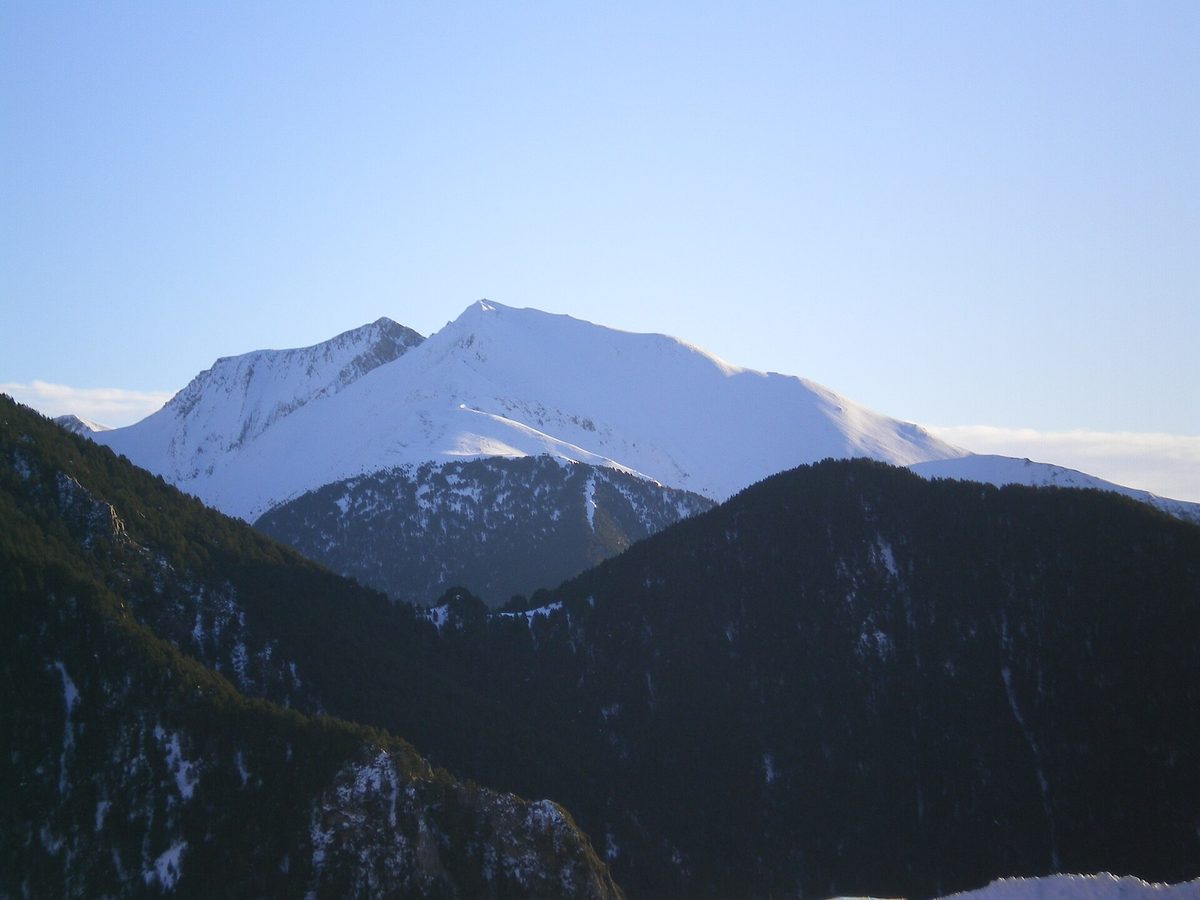
The Arinsal sector is essentially one long, elongated bowl. From the gondola you rise into a natural amphitheatre ringed by the peaks of Pic Alt de la Capa, Pic Negre and, beyond them, Coma Pedrosa — Andorra’s highest mountain. The heart of the sector is a pair of long, obliging blue pistes that funnel down from the upper bowl to the mid-mountain base, and this is where you will spend most of your time if you are still building confidence. Up top, on the shoulders of Pic Negre and Pic Alt de la Capa, there are some shorter reds and a couple of snappy blacks to keep stronger skiers honest, plus the snowpark and the cable car across to Pal.
Here is Arinsal’s genuine boast, and it is a good one: when snow lies all the way to the village, the run from the highest lift-served point down to the lowest chairlift base is a vertical drop of around 1,010 m — the longest uninterrupted top-to-bottom descent in the country, more than 3,000 feet of skiing without unclipping. On a clear morning with fresh grooming underfoot, that long fall-line cruise back to the valley is a genuinely satisfying way to end a run, and it is the kind of thing no piste-kilometre stat captures.
Beginners
This is what Arinsal does best, and it does it as well as anywhere in the country. The nursery area sits up at Pla de la Cot, near the top of the gondola rather than down in the village — which means your first wobbly turns happen on reliable high-altitude snow, on gentle, wide ground, well away from the through-traffic. The Arinsal ski school has a long and deserved reputation: it was one of the first in Europe to gain BASI approval, it runs an English-heavy roster of instructors, and it takes children into group lessons from age four, younger than most Andorran schools. Progression runs like the gentle Els Orriols green let you graduate from the nursery slope to a real descent with your confidence intact. If learning is the point of your trip, pair this with the guide to learning to ski in Andorra — and book lessons for the first morning, not mid-week, because an early start pays off across the whole holiday.
Intermediates
Improving intermediates are well served, especially once you use the cable car to bring Pal into play. On the Arinsal side, reds like La Devesa and Les Fonts give you consistent, honest pitches that reward good technique without frightening you, and the long blues down the bowl are perfect for finding your rhythm. Cross to Pal and the terrain opens up: more varied, more tree-lined, more forgiving reds and long cruising blues that effectively double your playground. A confident intermediate can happily fill a week here bouncing between the two sectors. A very strong one may start to feel the edges by day four or five, which is where the wider Andorra pass earns its keep.
Advanced and expert skiers
I will not oversell this, because the operators already do. Arinsal is not an expert’s mountain. The blacks — L’Estadi is the steepest marked run on the Arinsal side — are short and few, and you can tick off the challenging pistes in a day or two. There is some off-piste to be had after fresh snow, particularly in the bowl beneath the tops and through the glades on the Pal side, and a local guide can show you a decent time off the back of Pic Negre. But if steep terrain and lift-served powder are the reason you ski, Arinsal on its own will bore you by mid-week. The good news is the fix is built into your lift ticket, and I get to it next.
Snowboarders and freestylers
Boarders do well here. The wide, open pistes suit riding, the vibe is young and relaxed, and the resort maintains Xavi’s Snowpark — named after local rider Xavi Vilaseca — up in the Arinsal sector, with a progression of rails, boxes and jumps for different levels. It is not a world-class park, but it is well shaped and friendly, and combined with the up-for-it crowd it makes Arinsal one of the more snowboard-welcoming small bases in the Pyrenees.
Linking to Pal and the wider Andorra pass
The single most useful thing to understand about skiing from Arinsal is how it connects to Pal — because it is not the seamless ski-across link people assume. Arinsal and Pal are joined by a cable car over the ridge, and there is no connecting piste between them: you ride the cabin across, you do not ski from one sector to the other. In practice it works fine — the cable car is quick and the two sides share one pass — but it means a day at Pal is a deliberate trip rather than a casual drift, and if the wind closes the cable car you are back to skiing your home sector. Plan around it and it is a non-issue; expect Grandvalira-style seamlessness and you will be briefly confused at the top of the bowl.
The far bigger point in Arinsal’s favour is what your lift pass quietly unlocks. Pal-Arinsal is one of Andorra’s three mountains, and a multi-day pass here typically also gives you access to the other two — the vast Grandvalira domain over the mountains and, crucially for anyone getting twitchy, the wild freeride hill of Ordino-Arcalis in the next valley. The smart move from an Arinsal base: cruise the local bowl and Pal for most of the week, then, if a storm rolls through, catch the bus over to Arcalis and get your powder day where the terrain actually earns it. Do check the current pass terms before you rely on this — the multi-mountain access is generous but the exact rules shift season to season.
Apres-ski and nightlife: the British-pub scene
This is the other half of Arinsal’s reputation, and for a village this small it is a genuinely outsized draw. Arinsal is where budget British ski groups, seasonaires and school trips come to have a loud, cheap, uncomplicated good time, and the apres scene is built around exactly that. Do not come expecting sophistication. Do come expecting large measures, familiar accents and a blackboard war of happy-hour deals up and down the street.
The rhythm starts at the base of the gondola as the lifts close and drifts up the main street as the evening builds. Ski boots and salopettes are perfectly acceptable dress code; nobody is judging your outfit. A rough field guide to the scene, with the usual caveat that bars in small resorts change hands and names between seasons, so treat this as a steer rather than gospel:
- El Moli — British-owned, bright and easy to find directly opposite the bottom of the gondola; a reliable first stop for food and a pint as you come off the snow.
- The Derby — the Irish bar and the beating heart of Arinsal nights out, long run by ski-instructor brothers, with live sport, live music, karaoke and cheap drinks. If you only find one bar, it will probably be this one.
- Cisco’s — the late one, with a dancefloor; where the night tends to end when the pubs wind down.
- Surf — DJ sets and a party atmosphere most nights, the spot for those who want to actually dance rather than just drink.
- Quo Vadis and El Cau — the after-dinner crowd-pullers, a notch mellower, good for a drink and a wind-down before the late bars.
There is no glossy superclub here — this is pubs, karaoke and a sticky dancefloor, not an Ibiza night. That is either exactly what you want or precisely what you don’t, and knowing which is the single most useful thing you can decide before booking. One practical warning that applies as strongly here as it does in Pas de la Casa: the village is loud until late, so if you value sleep, book a room away from the gondola end of the street. More on that below.
Where to stay in Arinsal
Because Arinsal is essentially one street, choosing a hotel is really a choice about noise and how close to the lift you want to be. Almost everything is walkable to the gondola, so you are optimising for comfort and quiet rather than lift access.
The accommodation splits into three broad camps. At the comfortable end sits the four-star Hotel Princesa Parc, the biggest and best-equipped place in the village, with its own spa, pool, bowling alley and games arcade — a sensible pick if you want somewhere to unwind after skiing and don’t mind being part of a large complex. In the middle is a good spread of straightforward three-star hotels, many offering half or full board, which is often the best-value way to do Arinsal given how reasonable the eating is. And at the budget end are the simpler hotels and the handful of self-catering apartments that make this such a popular base for groups counting their euros — combine an apartment with Andorra’s cheap supermarket prices and you understand why Arinsal wears its budget reputation with pride.
Two pieces of advice. First, the rooms nearest the gondola put you steps from the lift but also right in the middle of the nightlife, which is a blessing at 5pm and a curse at 1am — mid-village is the sweet spot for balancing convenience against sleep. Second, if you would rather a calmer, prettier base and don’t mind a short shuttle to the lift, consider staying down the valley in the parish town of La Massana or over in Pal instead — the full comparison of Andorran bases weighs up which suits which kind of group.
Eating in Arinsal
Nobody comes to Arinsal for a gastronomic pilgrimage, and the dining reflects the crowd: honest, generous and priced to keep a group happy. You will find plenty of the familiar — steaks, burgers, Tex-Mex, pizza and pasta — alongside a few places doing proper Andorran and Catalan mountain cooking if you want to eat like a local for an evening.
The good news is that Andorra’s low-tax status makes eating and, especially, drinking out noticeably cheaper than in the French or Austrian Alps — restaurant wine in particular is a bargain. For hearty Andorran fare, El Cau does the mountain stews and grilled meats; for a special night the restaurant at the Princesa Parc raises the game; and if you want the real stone-barn borda experience — grilled meats over wood, big Catalan flavours — it is worth the short trip down to La Massana, where places like Borda de l’Avi do it properly. Portions are hearty, the pace is unhurried, and after a day on the snow that is exactly the point.
Getting to Arinsal
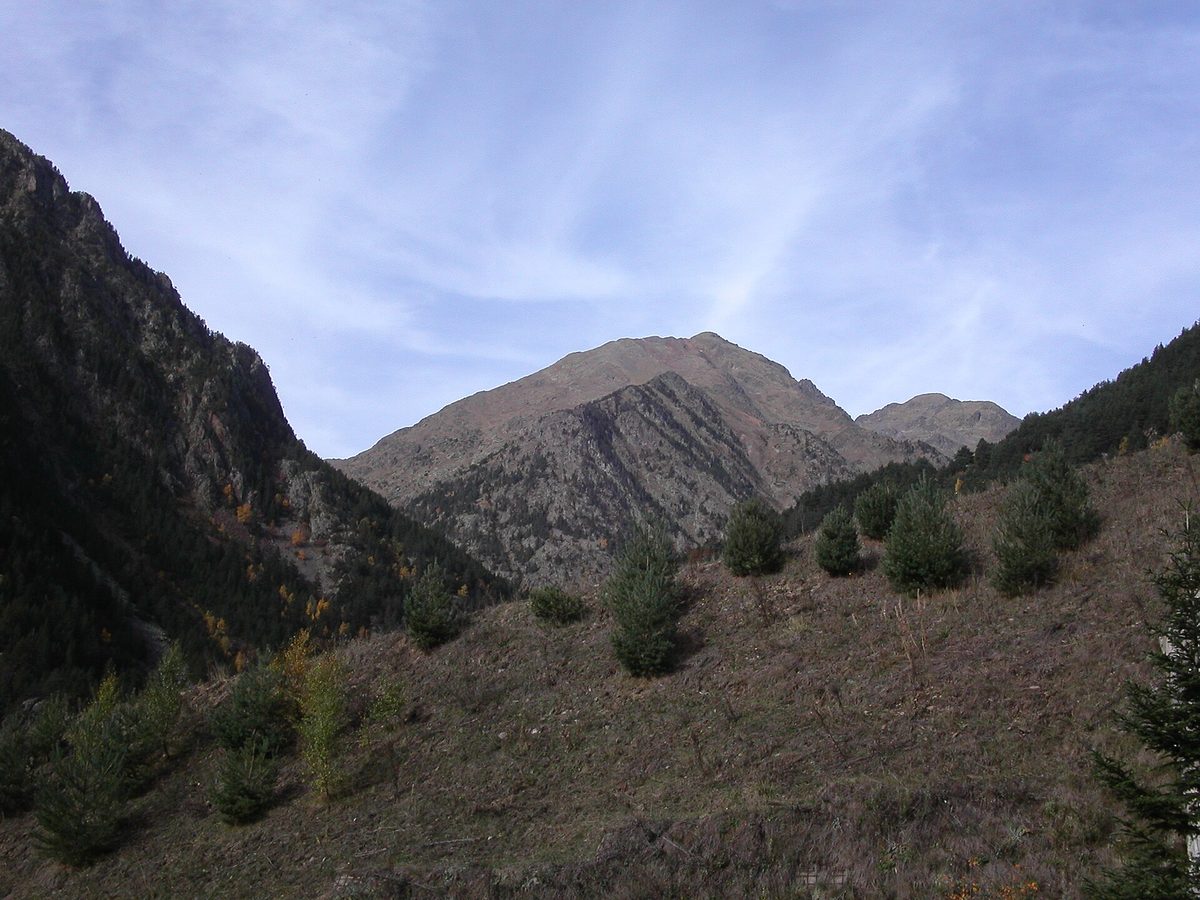
The awkward truth about all Andorran skiing is that the country has no airport and no railway, so you arrive by road whichever way you come — and Arinsal, tucked up in the north-west, is a little further from the usual gateways than the Grandvalira resorts. The two main airports are Barcelona, roughly 200 km and about three hours away by road, and Toulouse, a similar journey time from the French side. The nearest train station is L’Hospitalet-pres-l’Andorre on the French side, around an hour out, with onward buses.
Most people arrive on a coach transfer as part of a package, or in a hire car. Driving gives you flexibility and lets you do the duty-free supermarket run, but from November to April you are legally required to carry winter tyres or chains, and the mountain approaches demand respect in bad weather. Once you are in the country you barely need the car for skiing: a free shuttle bus links Arinsal to La Massana and the Pal sector, and regular local buses run down to the capital for shopping and the spa. For the full route-by-route breakdown, including the Barcelona and Toulouse bus options, see the guide to how to get to Andorra.
Beyond the slopes
Arinsal is small, but rest-day and non-skiing options are closer than the village’s size suggests, largely because you are never far from the rest of Andorra. Within the resort and the valley you can go snowshoeing, dog-sledding or snowmobiling, and over at Pal there is a laser-combat battlefield in the trees. The Princesa Parc’s hydro-spa, pool and bowling alley are a decent storm-day standby for families right in the village.
The unmissable off-slope outing, though, is down the valley: Caldea in Escaldes, the largest thermal spa complex in the Pyrenees, is an easy bus ride away and exactly the right way to end a day your legs have given up on — floating in warm water while snow settles on the glass roof outside. The duty-free shopping and restaurants of the capital are a short hop too, and if you are travelling with children the family-focused attractions of the country — alpine coasters, tubing, the lot — are well within reach. If you would rather compare Arinsal’s calmer, family feel against a livelier or more polished Grandvalira base, the neighbouring guide to El Tarter is a useful counterpoint, and the wider Pal-Arinsal guide covers the Pal sector and the parish in full.
What a trip to Arinsal costs
Value is the whole pitch, and Arinsal delivers on it. This is one of the cheapest ways to have a proper ski week in Europe, and the savings stack up across every line of the trip: functional accommodation, self-catering supermarket prices, duty-free drinks, and lift passes that undercut the Alps thanks to Andorra’s low-tax status. The Pal-Arinsal pass covers both sectors on one ticket, multi-day passes work out cheaper per day, and — as above — a multi-day pass typically opens up the other two Andorran mountains as well, which is remarkable value if you use it.
The honest caveat is that lift passes across Andorra are no longer the giveaway they once were, and prices move with the season and how far ahead you book, so the single best money-saving move is to buy online and early rather than at the window in half-term week. For the full breakdown of pass tiers, the child and senior rates, and the tricks that shave money off a family trip, see the guide to Andorra ski pass prices. And because timing changes both crowds and cost, it is worth reading alongside the guide to the best time to visit Andorra — mid-January and early March are the sweet spots for quiet, well-priced skiing, while February half-term is the busy, pricey peak to sidestep if you can.
Who should stay in Arinsal (and who shouldn’t)
Book Arinsal if you are learning to ski, improving as an intermediate, travelling as a group who want cheap beds and a loud, friendly night out, taking a young family to a small and manageable base, or simply skiing on a budget and happy to trade prettiness and piste-mileage for genuine value. For all of those people it is one of the best-value weeks in European skiing, and the compact, walkable village makes the whole trip effortless.
Look elsewhere if you are a strong skier who lives for steep terrain and off-piste — you will exhaust the local challenge in a couple of days, and you would be better based near Grandvalira or heading straight for Arcalis. Look elsewhere too if you want a chocolate-box Pyrenean village or a quiet, early night, because Arinsal is neither. It is an honest, cheerful, unpretentious ski village that knows exactly what it is: budget skiing and British-pub apres in a plain but easygoing package. Get a room away from the noise, time your trip off-peak, and use the pass to steal a day on the bigger mountains, and Arinsal repays you handsomely for the little it asks.
Arinsal, Andorra: frequently asked questions
Is Arinsal good for beginners?
Yes — it is one of the best beginner bases in Andorra. The nursery slopes sit up at Pla de la Cot on reliable high-altitude snow, the well-regarded, BASI-approved ski school has plenty of English-speaking instructors and takes children from age four, and gentle progression runs like Els Orriols ease you onto real descents. The compact, gondola-served village makes the whole thing stress-free for first-timers.
Is Arinsal good for nightlife?
For its size, remarkably so. Arinsal has an outsized, cheerful apres scene built around British and Irish pubs — El Moli, The Derby, Cisco’s, Surf — with cheap drinks, live music, karaoke and a young, up-for-it crowd. It is pubs and a sticky dancefloor rather than glossy clubs, and it is popular with seasonaires and school groups, so it suits budget nights out far more than a sophisticated evening.
How high is Arinsal?
The village sits at around 1,550 m and the Pal-Arinsal slopes rise to roughly 2,560 m. When snow lies to the village, Arinsal offers the longest single top-to-bottom descent in Andorra, a vertical drop of about 1,010 m. The altitude and largely north-facing aspect help the snow hold reasonably well, backed by snowmaking on the key runs.
Arinsal or Pas de la Casa?
Both are budget, party-leaning Andorran bases, but they differ. Arinsal is smaller, calmer and family-friendlier, on the quieter Pal-Arinsal mountain in the north-west, with a British-pub apres scene. Pas de la Casa is higher, snow-surer and rowdier, plugged straight into the huge Grandvalira domain. Choose Arinsal for a compact, gentle, beginner-and-family base; choose Pas de la Casa for doorstep snow, bigger skiing and louder nights.
Can you ski from Arinsal to Pal?
Not directly — the two sectors are joined by a cable car over the ridge, with no connecting piste between them, so you ride the cabin across rather than ski from one to the other. Both sit on the same Pal-Arinsal pass and the crossing is quick, but a day at Pal is a deliberate trip. If wind closes the cable car, you are limited to your home sector for the day.
How does Arinsal compare to the Alps?
Arinsal is significantly cheaper than most Alpine resorts on passes, beds, food and especially drinks, thanks to Andorra’s low-tax status, and its ski school and beginner terrain are excellent. The trade-off is size: around 63 km of piste in the linked area won’t fill a whole week for a keen intermediate, and the Pyrenees get less natural snow than the high Alps, though altitude and snowmaking keep the key runs covered.
Is Arinsal good for families?
Very. The village is small, safe and walkable, the gondola removes any tricky boot-walk to the lift, the ski school takes children from age four with dedicated kids’ areas, and the lower prices make a family week far more affordable than the Alps. Younger families and beginners are especially well served; older teenagers chasing big terrain may find the ski area too small.
When is the best time to visit Arinsal?
The season typically runs from early December to mid-April, with the most reliable snow from January to March. Mid-January brings cold snow, thin crowds and lower prices; early March adds spring sunshine with good coverage still underfoot. February half-term is the busy, pricey peak when British families descend, so sidestep it if crowds and cost bother you. Always check current conditions before booking.
Sorting the rest of the trip? Start with the full guide to skiing in Andorra, which sets Arinsal in the context of the whole country’s mountains and helps you decide whether to base here or somewhere bigger. Then square away the practicalities with the Andorra travel tips guide, covering the costs, customs and small logistics that first-timers always forget.
Photo credits
All photographs are from Wikimedia Commons under their stated licences, with thanks to the photographers:


2 comments
Comments are closed.