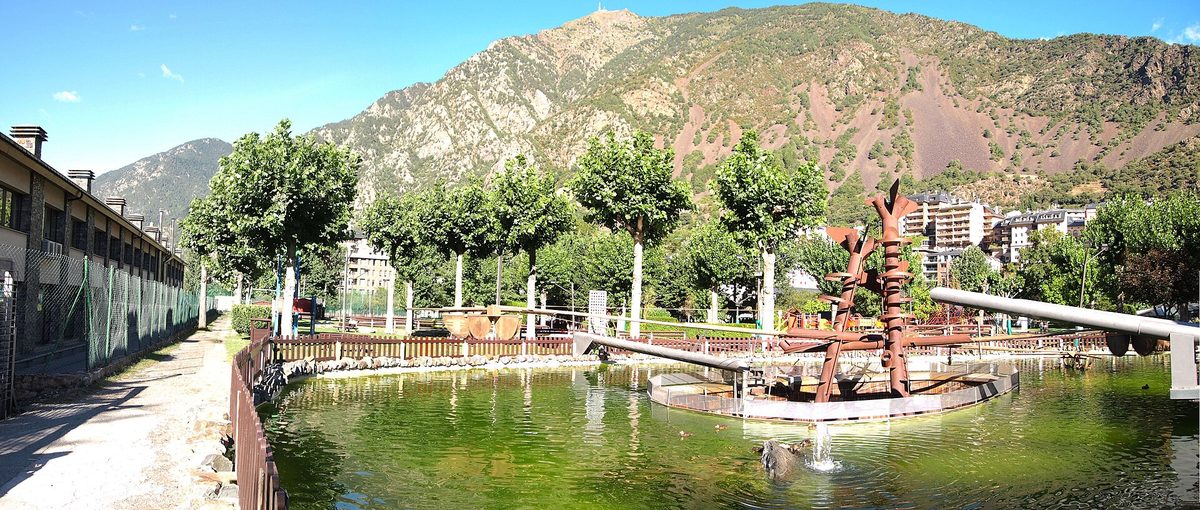
The first time I tried this as a day trip I got the arithmetic wrong. I set the alarm for a holiday, not for a drive. We rolled out of Barcelona somewhere after nine, reached the Andorran border a little before one, and were turning the car round before the light had left the valley. I have done it properly since, and the difference was entirely the alarm clock.
A day trip to Andorra from Barcelona is about 200 km each way on mountain roads — roughly three hours by car, three and a half to four by coach. That is six to eight hours of travel for five or six hours on the ground. This guide is for anyone deciding whether that trade is worth making.
Last updated: August 2026. Every fare, toll and journey time below is an approximate 2026 snapshot. Operators reprice routes seasonally and timetables change completely between the ski season and summer, so check the coach companies’ own sites and a live traffic map before you build a day around any number here.
The day trip at a glance
Read this table and the verdict section and you will already know whether to book. Everything after that is the how.
| Distance | Around 200 km each way, central Barcelona to Andorra la Vella |
| Drive time | About 3 hours each way in clear conditions; 3.5–4 in weekend or ski traffic |
| Direct coach | About 3.5–4 hours each way, no changes |
| Coach fare | Roughly €30–45 one way in 2026; check operators, it moves |
| Organised tour | Roughly €90–130 per person, about 12–13 hours door to door |
| Time actually in Andorra | 5–6 hours self-driving, 4–5 by coach, 2–3 on a group tour |
| Sensible departure | 06:30–07:00 from Barcelona. Later than 08:00 and the day collapses |
| Sensible return | Leave Andorra by 17:00–18:00 at the latest |
| Main toll | Túnel del Cadí, around €14–15 each way for a car |
| Border | La Farga de Moles on the N-145/CG-1, open 24 hours |
| Documents | Passport or national ID card. Andorra sits outside the EU and Schengen |
| Best for | Shoppers with a car, country-tickers, one-day skiers in winter |
Day trip to Andorra from Barcelona: the honest verdict, up front
Most guides bury the answer under 800 words of scenery. Here it is instead.
The maths never improves. Barcelona to Andorra la Vella is around 200 km, but almost none of it is fast road. You get motorway as far as Manresa, then the C-16 climbing into the pre-Pyrenees, then a long descent to La Seu d’Urgell, then a border, then the last valley crawl into the capital. Three hours is the good version. On a Saturday in ski season, or a Sunday evening coming home behind everyone else who had the same idea, four is normal.
So the day looks like this: six hours of travel minimum, eight if things go badly, in exchange for five or six hours in a country that is 468 km² of mountains. You will see the capital. You will not see Andorra.
That is not a reason to cancel. It is a reason to be specific about what you are buying. I would happily do this trip again for a car boot of duty-free and a long lunch. I would never do it hoping to feel the Pyrenees. If you want the second thing, the honest answer is to give the country two or three days, and the full Andorra itinerary guide lays out what each length actually buys you.
Who this trip works for — and who should stay in Barcelona
Do it if
You are shopping, and you have a car. This is the strongest case by a distance. Andorra’s general sales tax is 4.5% against 21% in Spain, and on tobacco, spirits, perfume and some electronics the gap is enormous. With a car you can fill the boot, park badly, and treat the drive as the price of the discount. Two adults hitting their allowances can genuinely cover the fuel and the toll.
You collect countries. No judgement — I do it too. Andorra is a legitimate sovereign state with its own government, its own head-of-state arrangement and its own language, and standing in Plaça del Poble is a real thing to have done. If the point is the pin on the map, five hours is plenty and you will go home happy.
You want one day on snow in winter. Grandvalira’s lower sectors are around 2 hours 45 to 3 hours from Barcelona if you leave before dawn, which makes a single ski day genuinely possible. Tight, but possible. More on how to run that below.
You have four or more days in Barcelona and have done the obvious things. If you have already ticked Sagrada Família, Park Güell and the Gothic Quarter, spending a day on a mountain road is a fair way to use the surplus.
Don’t bother if
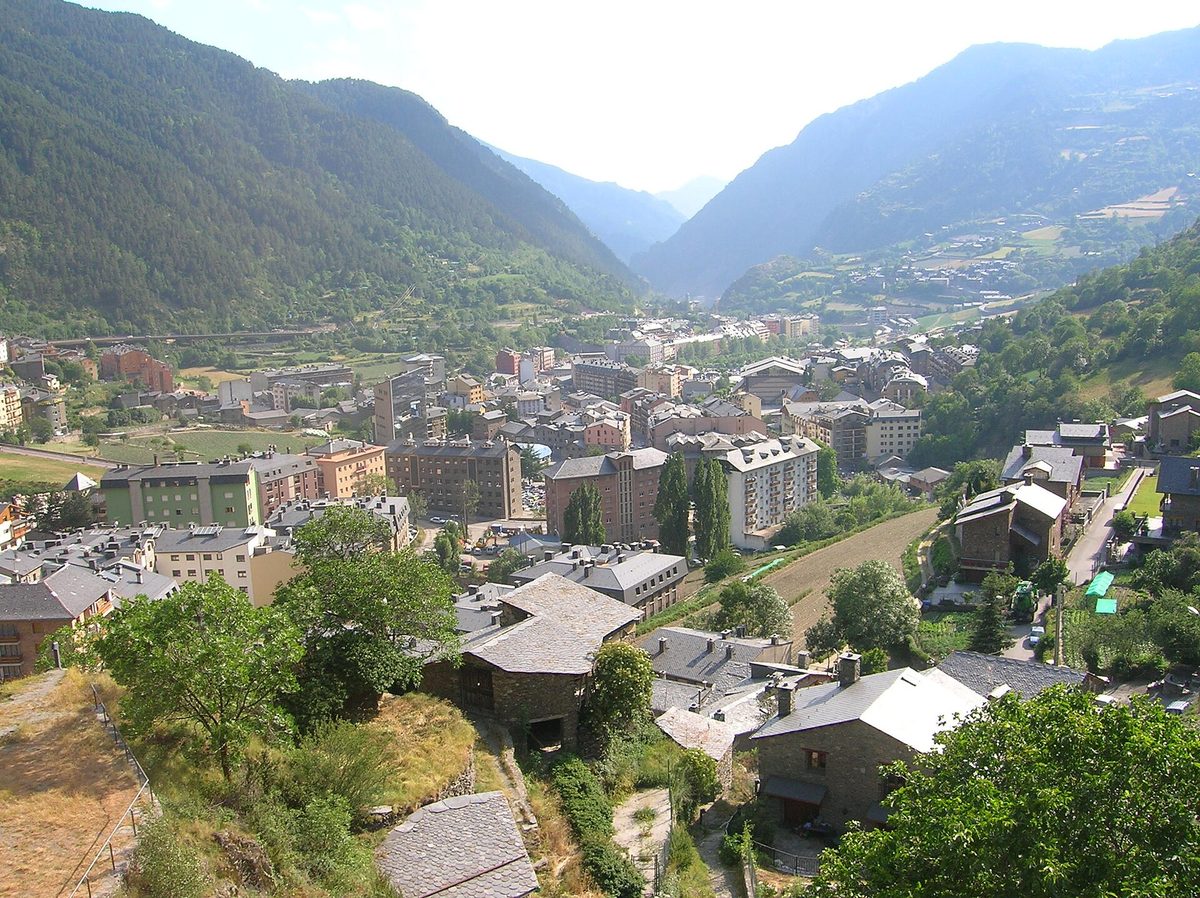
You want to see the mountains properly. The capital sits at about 1,000 m in a narrow, heavily built valley. The scenery people photograph — Tristaina, the Ordino valley, the Madriu — is 45 minutes to an hour further on, and a day trip does not have that hour to give. You will spend the day looking at mountains through a windscreen and then looking at shops.
You have small children. Six to eight hours of switchbacks with a toddler is a punishment, not an excursion. The road between Bagà and the tunnel in particular is a sequence of long, sweeping bends that reliably makes people carsick.
You cannot leave before 08:00. This is the single biggest predictor of a miserable day. Leave at 09:00 and you arrive around midday, lose an hour to lunch, and are looking at your watch by 15:00. The trip only works with an unpleasantly early alarm.
You are hoping for charm. Andorra la Vella is a working retail city, not a stone village. It has a lovely little old quarter that takes twenty minutes to walk, and then it has Avinguda Meritxell. That is an honest description, not a criticism, and it is why whether Andorra is worth visiting depends so heavily on what you came for.
The three ways to do it, compared
There is no train into Andorra and there never has been, so ignore any site that suggests one. Your real choices are three, and they suit genuinely different people.
| Self-drive | Direct coach | Organised tour | |
|---|---|---|---|
| Travel time each way | ~3 hours (3.5–4 in traffic) | ~3.5–4 hours | ~4–5 hours with stops |
| Time in Andorra | 5–6 hours if you leave at 06:30 | 4–5 hours on the right timetable | 2–3 hours, often less |
| Approximate cost | ~€120–170 per car (hire, fuel, tolls, parking) | ~€60–90 return per person | ~€90–130 per person |
| Flexibility | Total. Leave when you like, go where you like | Low. Fixed departures, and the last one is early | None. You go where the coach goes |
| Shopping capacity | A full boot, up to your customs allowance | What you can carry | What you can carry, and less time to buy it |
| Who it suits | Shoppers, skiers, groups of three or four | Solo travellers, budget trips, non-drivers | Anyone who wants zero admin and will settle for a glimpse |
| Main drawback | Mountain driving, parking, and you cannot drink | Timetable dictates the whole day | You spend most of it on a coach |
If you want the deeper comparison including private transfers and the Toulouse and Lleida approaches, that lives in the guide to travelling from Barcelona to Andorra. What follows here is specifically how each option behaves when you have to be back the same night.
Option one: self-drive, the only version with real freedom
If there are two or more of you, drive. It is faster than the coach, cheaper per head from three people up, and it is the only way to carry home enough shopping to justify the day. It also means you can leave at 06:30 rather than whenever a coach happens to go.
The route: C-16, the Túnel del Cadí and La Seu d’Urgell
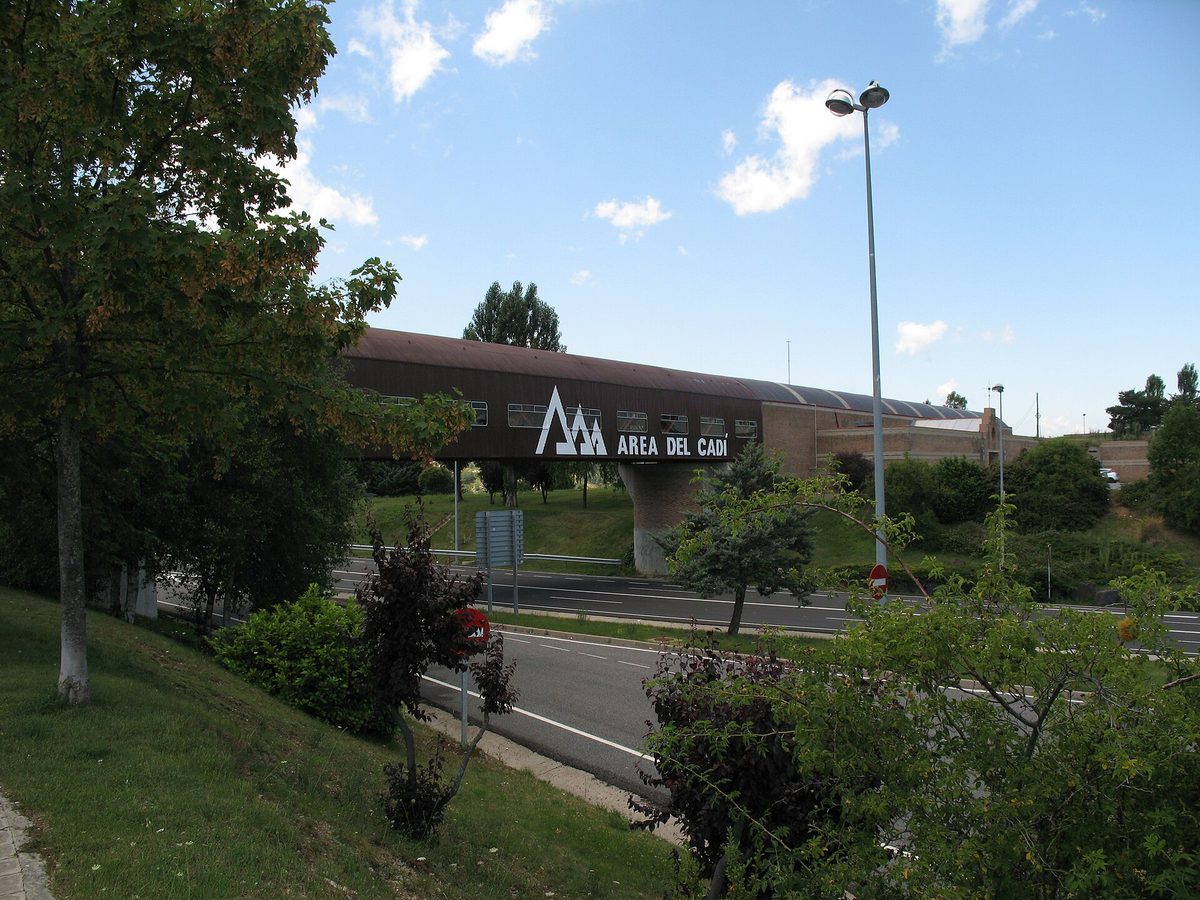
The standard approach is the C-16 north. You leave Barcelona on the C-58 towards Terrassa and Manresa, pick up the C-16 proper, and climb steadily through Berga into the pre-Pyrenees. Around Bagà the road narrows and the bends begin. Then comes the Túnel del Cadí, a five-kilometre bore under the Serra del Cadí that saves the best part of an hour over the old mountain pass and charges you handsomely for it.
Out the north side you drop into the Cerdanya, then take the N-260 west along the Segre valley through Bellver de Cerdanya to La Seu d’Urgell — a genuinely handsome cathedral town, and the last Spanish stop worth stretching your legs in. From there the N-145 runs the final 10 km north to the border at la Farga de Moles, becomes the CG-1 on the Andorran side, and delivers you through Sant Julià de Lòria into Andorra la Vella.
Two notes that matter more than the map suggests. First, the last stretch from the border into the capital is short in kilometres and unpredictable in minutes — it is a single main road through continuous ribbon development, and on a Saturday it can take 40 minutes to cover 20 km. Second, do not follow a satnav that routes you via Pas de la Casa and the Port d’Envalira. That is the French approach, it is beautiful, and from Barcelona it is a serious detour over a 2,400 m pass.
What the drive costs: tolls, fuel and the Cadí question
Budget roughly like this for a normal petrol car in 2026, and treat every figure as a ballpark:
- Túnel del Cadí toll: around €14–15 each way for a standard car, so €28–30 for the round trip. Discounts exist for frequent users and some electronic-toll schemes, which will not help a one-off visitor.
- Fuel: around 400 km round trip. Call it €40–55 depending on the car, and fill up in Andorra before you leave — petrol there is usually 20–30 cents a litre cheaper than in Catalonia, which is why you see queues at the pumps in Sant Julià.
- Hire car: anything from €35 to €90 for the day depending on season and how far ahead you book. Check the excess and confirm the car is allowed to cross into Andorra — most Spanish hire agreements permit it, but a few do not, and it is a bad thing to discover at the border.
- Parking in the capital: around €1–2 an hour in the public car parks, so €6–12 for the day.
All in, a hire car for the day tends to land somewhere between €120 and €170. Split four ways that is €30–45 a head, which beats the coach and buys you a boot.
The N-260 alternative, and the toll-free question
People ask every year whether they can dodge the Cadí toll. You can. The old road over the Coll de Toses — the N-152 up through Ribes de Freser and Puigcerdà, then the N-260 west — avoids the tunnel entirely and is a lovely piece of driving. It also adds something like 45 minutes to an hour each way and climbs to about 1,800 m. On a day trip that hour does not exist. Pay the toll.
The N-260 is worth knowing about for two other reasons, though. It is the diversion when the tunnel closes for incidents or maintenance, and it is the scenic way home if you are not doing this in a single day and can afford the extra time. There is more on both approaches, plus the French routes, in the guide to driving to Andorra.
Hour by hour: the self-drive day that actually works
This is the timetable I would use, and the one I failed to use on that February Saturday.
- 06:30 — Leave Barcelona. Yes, really. You want to be past Manresa before the commuter build-up and through the tunnel before the ski coaches.
- 07:45–08:00 — Coffee stop around Berga or Bagà. Ten minutes, not thirty.
- 08:30 — Túnel del Cadí. Have a card ready; the barriers take cards and cash.
- 09:15 — La Seu d’Urgell. Skip it on the way out, note it for the way back.
- 09:30–09:45 — Border at la Farga de Moles. Normally a wave-through northbound.
- 10:00–10:15 — Parked in Andorra la Vella. You now have around six usable hours.
- 16:00–16:30 — Fuel up, then cross back south. This timing is deliberate; see the customs section below.
- 19:30–20:00 — Back in Barcelona, assuming nothing goes wrong.
Push the departure to 08:00 and every number slides two hours later, which turns six hours on the ground into four and puts you in the worst of the evening border queue. The early start is not optional. It is the whole trick.
Option two: the direct coach from Barcelona
No car, no licence, no interest in mountain driving? The coach is a perfectly civilised way to do this, and it is the option I would pick as a solo traveller. Modern vehicles, wifi that works about half the time, a toilet on board, and someone else dealing with the switchbacks.
Who runs it, and from where
Several operators cover the route and the landscape shifts, so treat names as a starting point rather than gospel. In 2026 the main players are Andorra Direct Bus, which runs frequently from Barcelona El Prat (T1 and T2) and Barcelona Sants straight to Andorra la Vella bus station; Andbus, which typically leaves from central Barcelona; and Novatel alongside the big Spanish operator ALSA, which departs from Estació del Nord next to the Arc de Triomf metro stop on line 1.
One-way fares in 2026 sit around €30–45, with airport services usually at the upper end and advance online bookings at the lower. Multi-journey passes exist and are cheaper per trip, though they rarely make sense for a single day out. Every one of those numbers should be checked on the operator’s own site the week you travel — this is a competitive route and prices move. The operator-by-operator breakdown, including luggage and ski-bag rules, is in the guide to the Andorra direct bus.
Hour by hour: the coach day
Timetables change every season, so build your day from the principle rather than from these exact clock times.
- 06:00–07:00 — First departures of the day from Barcelona. Take one of them. Be at the stop 20 minutes early; these coaches do not wait.
- 09:45–10:45 — Arrive at Andorra la Vella bus station, which sits centrally and within walking distance of the shopping mile and the old quarter.
- 10:45–16:30 — Your day. Roughly five and a half hours if you caught the earliest coach.
- 17:00–18:00 — The last sensible return. There are usually later ones, but they get you into Barcelona near or after 22:00.
- 20:30–22:00 — Back in the city, depending which return you took.
The trap in the coach timetable
Here is what catches people out. The gap between departures is often two to three hours, not thirty minutes. Miss your booked return and you are not waiting twenty minutes for the next one — you may be waiting until the following morning, and Andorra la Vella is not a cheap place to find a last-minute room in ski season.
So: book the return at the same time as the outbound, screenshot the ticket, and set an alarm on your phone for one hour before departure. Then work backwards from that alarm when you plan the day. It sounds obvious. I have watched three separate groups of tourists fail at it.
The other coach-specific limitation is range. Without a car you are effectively confined to Andorra la Vella and neighbouring Escaldes-Engordany, which are contiguous and walkable end to end in about half an hour. The domestic bus network is good and cheap if you want to push further — the L2 and L4 lines run up the main valley regularly — but a return trip to Canillo eats two hours of a five-hour day. If you are determined to try, read getting around Andorra first and check the return times before you board anything.
Option three: the organised day tour
Search this trip online and the first screen is almost entirely tour listings. They are popular for an obvious reason: someone else does all the thinking. They are also, for most people, the weakest of the three options, and I want to be clear about why.
The typical product is a “three countries in one day” coach tour, roughly €90–130 per person in 2026 for around twelve to thirteen hours door to door. It leaves central Barcelona about 07:00, stops in a medieval Catalan town such as Bagà, crosses into France for an hour in a small Pyrenean spa town such as Ax-les-Thermes or Mont-Louis, and only then drops into Andorra la Vella — often not until early afternoon. You get a short guided walk round the old quarter, then free time to shop, then back on the coach.
Do the arithmetic. Thirteen hours, of which eight or nine are on a coach, and two to three are actually in Andorra. That is the least Andorra of the three options, and it costs more than the direct coach.
So who should book one? Genuinely: people who want a day out rather than a destination, people who like a guide’s commentary, people travelling alone who would rather not navigate, and people whose real motivation is standing in three countries in one day. Judged as an experience it is decent value. Judged as a way to see Andorra it is not. Smaller minibus tours — six to eight people, often around €200–270 per head — do considerably better, because they skip the French detour and go to viewpoints like Roc del Quer that a full-size coach cannot reach.
If you book one, ask two questions before paying: how many hours of free time are there in Andorra, and does the itinerary include any stop outside the capital. If the answers are “two” and “no”, you are paying a premium for a coach seat.
Winter changes everything
From roughly December to March this stops being a scenic drive and becomes a mountain drive, and the day needs rethinking rather than tweaking.
Winter tyres, chains and the law
Andorra requires vehicles to be equipped for snow during the winter months — broadly November to April, though the exact dates and enforcement vary year to year. In practice that means winter tyres fitted, or chains carried and the ability to fit them. Police do check on the approach roads when conditions are bad, and “I did not know” is not a defence. If you are hiring, say clearly at the desk that you are driving into Andorra in winter and confirm what the car is fitted with. Some Spanish hire fleets carry chains as a paid extra; some do not carry them at all.
Snow socks are lighter and easier than chains, and adequate for the main valley roads. They are not adequate for a serious storm on the Envalira pass, but you should not be on the Envalira pass on a day trip anyway.
How snow rewrites the timings
A heavy snowfall can add an hour to the run north and two to the run home, and it does so unpredictably. The bit that catches people is not the mountain section — it is the last stretch into Andorra la Vella, where a valley full of ski traffic on winter tyres moves at about the pace of an idea.
My rule is simple. If snow is forecast for the day itself, I either abandon the day trip or convert it into an overnight. Being stuck in a queue north of La Seu at 19:00 with a hire car, no chains and a return flight the next morning is a specific kind of misery, and it is entirely avoidable by checking the forecast on the Thursday.
The one-day ski hit
This is the version of the trip I like most, and it only works in winter. Leave Barcelona at 05:30–06:00, drive straight past the capital and up the valley to the Encamp or Canillo access points, and you can be clicking in by around 09:30. Ski until 16:00, drive home. It is a long day and you will be wrecked, but you get a full day on the biggest ski area in the Pyrenees for a fraction of what a weekend costs.
A few things make or break it. Buy the lift pass online the night before — queuing at the window costs you thirty minutes you do not have. Hire skis in resort rather than in Barcelona. And pick your sector: the Encamp gondola gets you into Grandvalira quickly with easy parking, while Pas de la Casa means another 40 minutes of climbing. The full picture of sectors, passes and which base suits which skier is in the guide to skiing in Andorra.
Coach passengers can do a modest version of this too, since the domestic bus network reaches the resort bases, but the timings are tight and one missed connection ends the day. If skiing is the point, drive.
The border, your passport, and the queue that ruins evenings
What you actually need to carry
Andorra is not in the European Union and not in the Schengen area, despite using the euro and being surrounded by two EU states. That means the crossing at la Farga de Moles is a real international border with real customs officers, not a formality.
Carry a passport or a national ID card. EU, EEA and Swiss citizens can use an ID card; everyone else needs a passport. Note the quirk that catches non-Europeans out: because Andorra sits outside Schengen but its only road links run through Spain and France, you are technically leaving and re-entering Schengen on the same day. Passports are rarely stamped, but if you are near the limit of a 90-day Schengen allowance, keep evidence of the day trip. The detail is in the guides to whether you need a passport for Andorra and to Andorra’s relationship with the EU.
Northbound, into Andorra, checks are usually a glance and a wave. Southbound is where they take an interest, because that is the direction the shopping travels in.
Customs allowances on the way home
This is the part people cheerfully ignore and then regret. Per adult returning to Spain or France, the standard allowances are approximately:
- Tobacco: 300 cigarettes (or the equivalent in cigars or rolling tobacco)
- Spirits: 1.5 litres over 22% ABV, or 3 litres under 22%
- Still wine: 5 litres
- Beer: 16 litres
- Other goods: up to €900 in value per adult, €450 for under-15s
- Food: up to €300
Those are per person, not per car, and they are enforced. Officers do stop cars, they do open boots, and the penalty for going over is confiscation plus a fine that comfortably wipes out whatever you saved. Keep receipts, keep the shopping visible rather than hidden under a blanket, and know your numbers before you buy. The full breakdown, including the categories where the savings are actually worth the effort, is in the guide to the Andorra duty-free allowance.
Cross back into Spain before 16:00
If you remember nothing else from the logistics above, remember this one. Aim to be through the frontier southbound by about four in the afternoon.
The southbound queue at la Farga de Moles builds through the late afternoon as the day-trippers and weekend shoppers all leave at once, and on a Saturday or a Sunday it can add anywhere from twenty minutes to well over an hour. It is worst on Sunday evenings, on the last day of a public holiday weekend, and at the end of the January sales. Leaving Andorra at 16:00 rather than 17:30 does not cost you much of the day and can save you an hour of stationary frustration. If you must leave later, the queue is generally shorter after about 20:00, which is not much help if you wanted an evening.
There is more on both crossings, including how the French border at Pas de la Casa behaves, in the guide to the Andorra border crossing.
What you can realistically fit into five or six hours
Here is where most guides start listing everything in the country and quietly pretend you can do it. You cannot. Five or six hours in Andorra means one focus, executed properly, plus lunch. Pick one of these three and stop trying to combine them.
Plan A: the shopping day
The strongest use of a short visit, and the reason most Catalans make the drive.
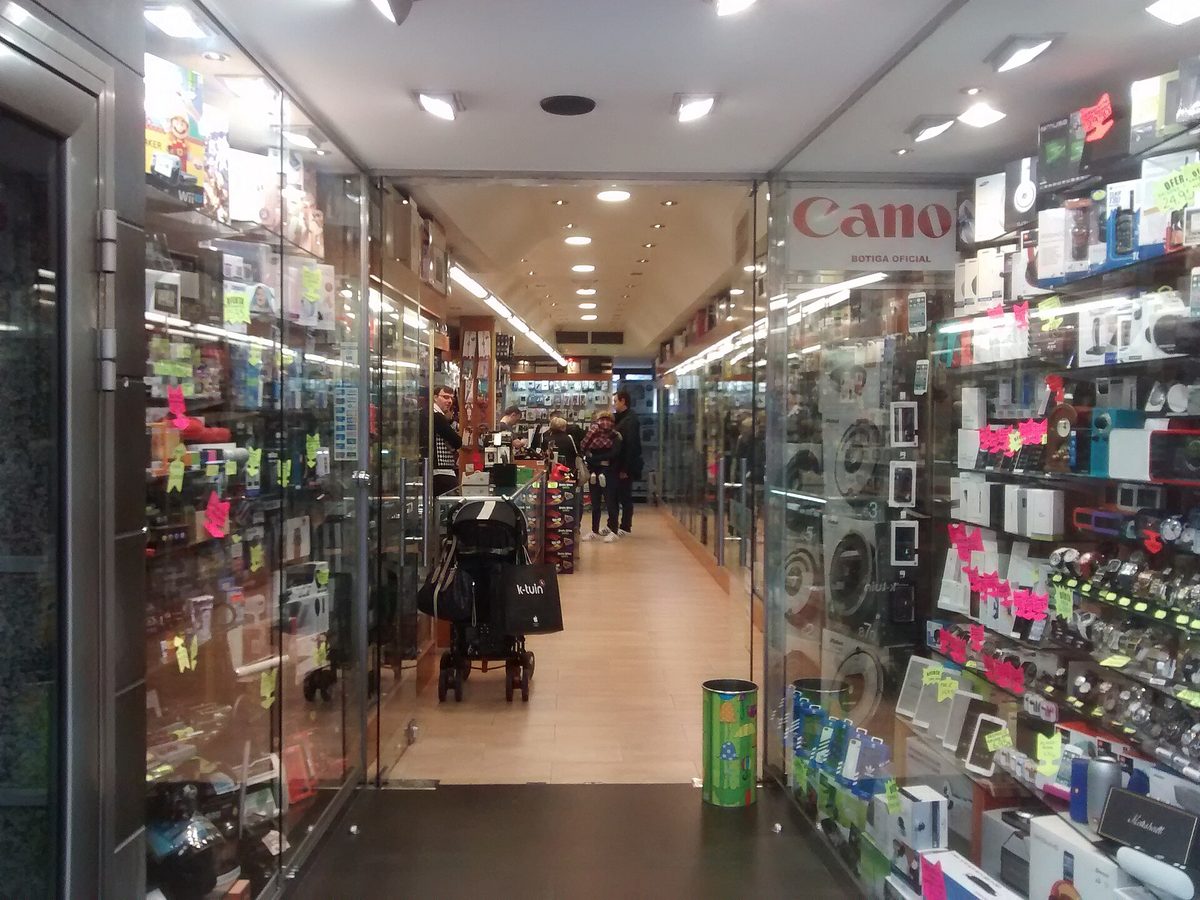
Park in one of the central car parks and start on Avinguda Meritxell, the pedestrianised spine of the capital’s retail district. Pyrenees at Meritxell 11 is the department store and a sensible first stop for perfume and cosmetics. Work east along Meritxell and the Fener Boulevard, then keep going — the shopping mile does not stop at the parish boundary, it flows straight into Avinguda Carlemany in Escaldes-Engordany, where illa Carlemany and the Vivand centre sit. That whole run is about 2 km end to end, entirely on the flat, and it takes a solid three hours to do properly.
Buy alcohol, tobacco and fuel last, on the way out, at the big border retail boxes in Sant Julià de Lòria — Epizen with its Carrefour anchor, or River nearer the frontier. They are 15 minutes south of the capital and directly on your route home, which saves you carrying bottles around all afternoon. What is genuinely cheaper and what is myth is broken down properly in the guide to shopping in Andorra.
Two timing notes. Shops open every Sunday, typically until around 20:00 Sunday to Thursday and 21:00 Friday and Saturday, which makes this one of the very few European retail days that works on a Sunday. And retail closes almost nowhere: 1 January, Constitution Day on 14 March when it falls on a weekday, the national day on 8 September, and 25 December. Check before you drive on any of those.
Plan B: the sightseeing day
Doable, but you have to accept that you are seeing a city rather than a country.
Start in the Barri Antic, the compact old quarter behind the main avenue. Casa de la Vall — the 16th-century stone house that served as Andorra’s parliament for four centuries — is the one building worth planning around, and Sant Esteve church is a two-minute walk away. Add Plaça del Poble for the terrace view over the valley and the Dalí sculpture, The Nobility of Time, on the avenue below. That is the honest total of the capital’s sights, and ninety minutes covers it comfortably. A full walking route through it is in the guide to Andorra la Vella.
Then spend the remaining hours on one substantial thing rather than three small ones. My pick is Caldea, the thermal spa complex in neighbouring Escaldes-Engordany, which is the largest in southern Europe and a genuinely odd, enjoyable way to spend three hours. Book the time slot online in advance, take a towel and flip-flops to avoid the rental fees, and be out with 45 minutes to spare before you need to leave.
If you have a car and would rather have a view than a swim, the alternative is the drive up to Roc del Quer in Canillo — about 30 to 40 minutes from the capital — where a steel walkway juts out over a 500 m drop. It is the best short stop in the country and the only one I would consider worth the extra driving on a day trip. Check seasonal access before you go; the road and the nearby Tibetan bridge close in deep winter.
Plan C: the winter ski day
Covered above, but to restate the shape: skip the capital entirely, drive straight to Encamp or Canillo, pass bought online the night before, first lift at 09:30, last run around 15:45, on the road by 16:30. Eat lunch on the mountain rather than driving down for it. You will get roughly six hours on snow, which is more than most people ski in a day anyway.
Parking in Andorra la Vella
Andorra la Vella is a narrow city squeezed between two mountainsides, and it was not designed for the traffic it gets. Street parking in the centre is metered, time-limited and essentially a lottery on a Saturday. Do not circle looking for it.
Use the public underground car parks instead. There is a cluster of them around the centre and along the river, and rates are usually around €1–2 an hour, sometimes with a daily cap. The larger shopping centres have their own car parks, and several offer a period free with a purchase — worth asking at the till if you are buying anything substantial. Expect €6–12 for a full day.
One practical tip: park at the Escaldes end rather than the dead centre if you are arriving after 11:00. It is marginally easier to get into, it is a five-minute walk from the top of the shopping mile, and getting out of it at 16:00 is much less painful than extracting yourself from the middle of Meritxell.
What a day trip to Andorra from Barcelona actually costs
Approximate 2026 figures, excluding shopping and lunch. Every one of these should be checked at the time you book.
One person, no car
| Return coach fare | €60–90 |
| Lunch in the capital | €15–25 |
| Caldea entry (if doing Plan B) | €40–50 |
| Coffee, water, incidentals | €10 |
| Realistic total | €85–175 depending on plan |
A car of four
| Day hire car | €35–90 |
| Fuel, round trip | €40–55 |
| Túnel del Cadí toll, both ways | €28–30 |
| Parking | €6–12 |
| Lunch for four | €60–100 |
| Total for the car | €170–290 |
| Per person | €43–73 |
The car looks better the moment you add shopping. Four adults hitting their full allowances on spirits, tobacco and perfume can save several hundred euros against Spanish prices, which turns the day from an expense into a rounding error. Four adults doing sightseeing save nothing and would have had a better day in Girona.
The overnight alternative, and why I keep pushing it
I will be blunt: one night changes this trip more than any other decision you can make, and it usually costs less than people assume.
Here is the difference. Drive up on a Friday evening after work, arrive around 21:00, and you wake up in the mountains with a whole day ahead instead of three hours of driving. You can be at a trailhead or a lift by 09:00. You can eat dinner somewhere without watching the clock. You can drive up the Ordino valley, see Tristaina or the Coll de la Botella, and understand why anyone lives here. You can float in Caldea in the evening, when it is at its best. Then drive home on Sunday morning against the traffic rather than into it.
Andorran hotels outside peak ski weeks are not expensive by Western European standards, and the country’s whole economy is built on short stays, so midweek and shoulder-season rates are often startlingly reasonable. A midweek room in Encamp or La Massana in October or May frequently costs less than the coach fare you just saved.
If you take one thing from this article, take this: the day trip is a compromise, and the compromise is only worth making if shopping or country-collecting is the point. For every other motivation, one night converts a long, tiring, slightly disappointing day into a genuinely good short break.
So is a Barcelona to Andorra day trip worth it?
Yes, with conditions, and here they are stated plainly.
Worth it if you are driving, leaving before 07:00, and going primarily to shop. The savings are real, the boot capacity is the whole advantage, and you will be home by eight with a car full of things that cost noticeably less than they do in Spain.
Worth it if you want to add a country and are honest that this is what you are doing. Five hours is enough to walk the old quarter, eat well, buy something, and stand somewhere with a view. That is a real experience and there is no shame in it.
Worth it in winter if you are a skier with a car and a high tolerance for early alarms. A day on Grandvalira for the price of fuel and a lift pass is good value by any measure.
Not worth it if you are hoping for the Pyrenees, travelling with young children, unable to start early, or expecting an Alpine village. In those cases you will spend most of the day in a vehicle, arrive tired, see a shopping street, and drive home wondering what the fuss was about. I have had that day. It is why this article exists.
The country deserves better than five hours. It just does not require more than five hours to tick off — and knowing which of those two sentences applies to you is the entire decision.
Andorra day trip from Barcelona: frequently asked questions
Is a day trip to Andorra from Barcelona worth it?
It depends entirely on your reason. For duty-free shopping with a car, or for adding a country to your list, yes — the savings and the novelty justify the drive. For mountain scenery, families with small children, or anyone who cannot leave before 08:00, no. You will spend six to eight hours travelling for five or six on the ground.
How long does it take to get from Barcelona to Andorra?
Around three hours by car in clear conditions, covering roughly 200 km via the C-16, the Túnel del Cadí and La Seu d’Urgell. Direct coaches take about three and a half to four hours. Add an hour in either direction for weekend traffic, ski season, or the final valley crawl into Andorra la Vella.
How much is the bus from Barcelona to Andorra?
Roughly €30–45 one way in 2026, so about €60–90 return, with airport departures usually costing more than city-centre ones and advance online bookings costing less than walk-ups. Several operators compete on the route and fares move with season and demand, so check the operator’s own site before you travel.
Is there a train from Barcelona to Andorra?
No. Andorra has no railway at all and never has. The nearest stations are L’Hospitalet-près-l’Andorre on the French side and Lleida on the Spanish side, and neither makes sense as part of a day trip from Barcelona. Any site offering you a train ticket to Andorra is selling you a rail-plus-bus combination.
Do you need a passport to visit Andorra from Barcelona?
Yes, carry one — or a national ID card if you are an EU, EEA or Swiss citizen. Andorra is not in the EU and not in the Schengen area, so the crossing at la Farga de Moles is a genuine international border. Checks going in are usually cursory; checks coming back are not.
How many hours do you actually get in Andorra on a day trip?
Five to six hours if you drive and leave Barcelona by 06:30. Four to five if you take the earliest direct coach. Only two to three on a typical large-group organised tour, because those itineraries spend the morning stopping in Spanish and French villages before reaching Andorra at all.
Can you ski in Andorra on a day trip from Barcelona?
Yes, if you drive and start early. Leave Barcelona by 06:00, head straight past the capital to the Encamp or Canillo access points, and you can be on snow by about 09:30 and ski until late afternoon. Buy the lift pass online the night before and carry chains or winter tyres between roughly November and April.
Is it better to drive or take the bus to Andorra?
Drive if there are two or more of you, if you are shopping, or if you are skiing — it is faster, cheaper per head from three people, and lets you carry things home. Take the coach if you are solo, do not want to drive mountain roads, or would rather sleep than steer. Tours suit people who want zero admin.
Related guides
Planning around this trip? Start with the realistic version of one day in Andorra if you are committed to the day trip, read two days in Andorra to see exactly what an overnight buys you, and check the practical Andorra travel tips for the small things — mobile data, cash, opening hours — that catch first-timers out.
Photo credits
All photographs are from Wikimedia Commons under their stated licences, with thanks to the photographers:


