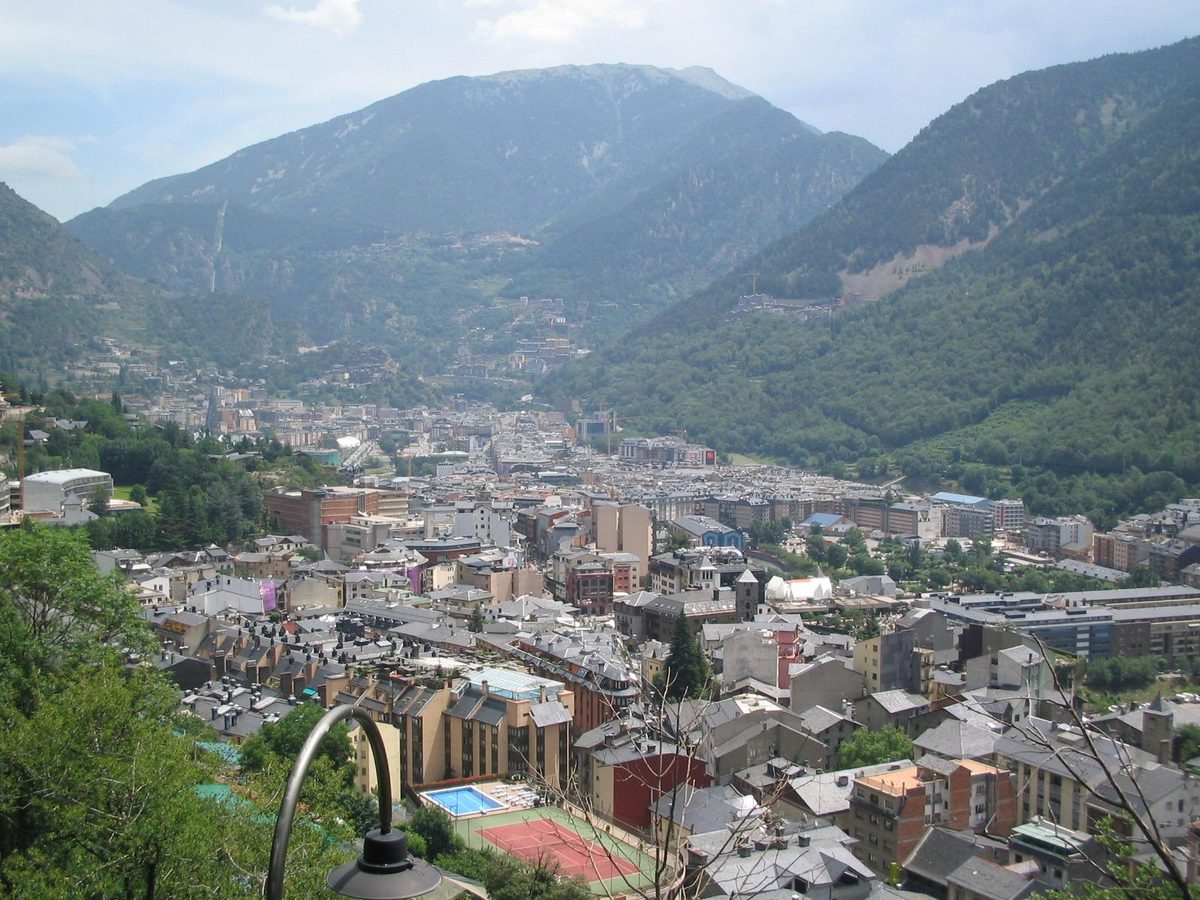
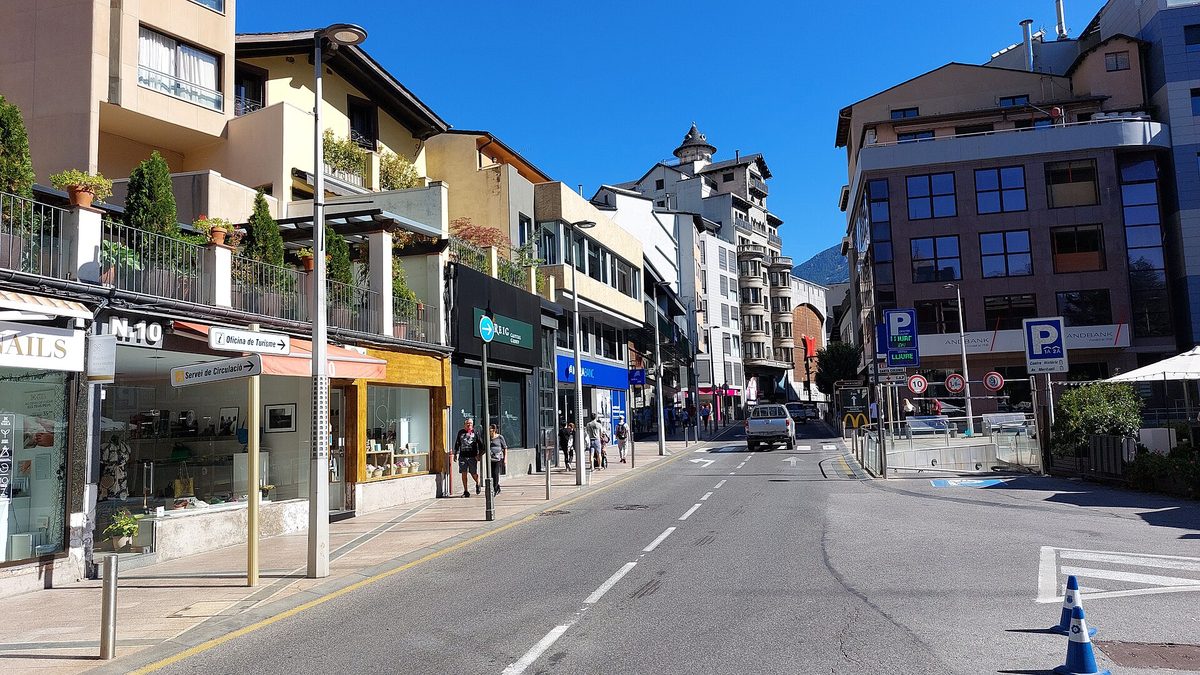
I’ve watched a lot of people eat badly in Andorra la Vella, and almost always for the same reason: they sat down at the first place with a laminated menu on Avinguda Meritxell, halfway through a shopping afternoon, and ordered a pizza. The capital does have genuinely good food — mountain Catalan cooking that makes complete sense at 1,023 m in January — but you have to walk three minutes off the retail strip to find it. That short walk is the whole trick, and this guide is about making it.
The best restaurants in Andorra la Vella are in the old town and the quiet streets a block or two off Avinguda Meritxell, not on the shopping mile itself. Expect hearty Pyrenean-Catalan food — grilled meats, stews, snails, river trout — plus a strong international scene. This is for anyone who wants to eat well in the capital without overpaying for a tourist-trap terrace.
Last updated: July 2026. Prices, opening hours and even which restaurants are trading change constantly; treat the numbers below as approximate 2026 guides and check current reviews and official pages before you rely on any one place.
Below I’ll cover where to eat (by neighbourhood), the Andorran dishes actually worth ordering, the borda experience that defines mountain dining here, how to eat well at every budget, what a meal really costs, and the practical stuff — hours, booking, tipping. It pairs naturally with my guide to Andorra la Vella and the country-wide primer on Andorran food.
Where to eat in Andorra la Vella at a glance
| The question | The short answer |
|---|---|
| Best area for local food | The Barri Antic (old town) and the lanes just off Meritxell |
| Area to be wary of | The pedestrian shopping strip itself — convenient, rarely the best value |
| The national dish | Escudella — a hefty winter meat-and-pasta broth |
| The dish to try first | Trinxat: cabbage, potato and crisp pork, the best €12 in town |
| The classic experience | A borda — a converted stone barn grilling meat over wood |
| Best-value meal | The weekday menú del dia, around €15–20 for three courses with wine |
| Mid-range à la carte | Roughly €25–40 a head with a drink |
| Is food cheap here? | No — the low tax barely touches a restaurant bill. Wine is the real saving |
| Michelin star in the capital? | No — the country’s star is up the valley in Canillo, not in town |
If you read only one line, make it this: eat where the streets go quiet. The capital’s food improves in almost direct proportion to how far you get from the perfume shops.
The best restaurants in Andorra la Vella are off the shopping mile
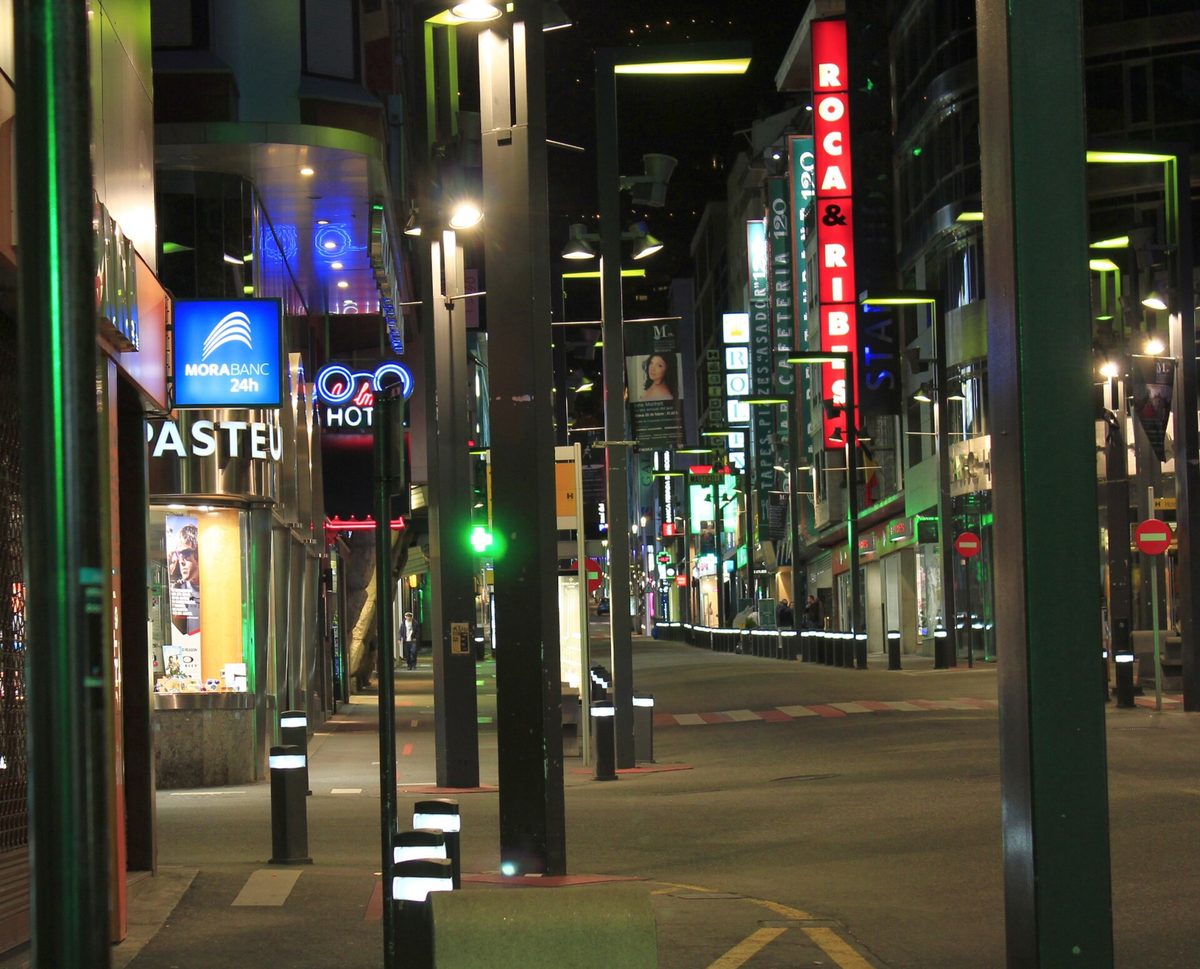
Andorra la Vella is really two eating cities layered on top of each other. There’s the visible one — the cafés, burger joints and international chains lining Avinguda Meritxell, built for shoppers who want to refuel without breaking stride. And there’s the one you have to look for, tucked into the stone lanes of the old town and the residential grid on the river side of the avenue, where the cooking is slower and the crowd is more local. The first city is fine. The second is why you’d bother.
The Barri Antic: old town, real cooking
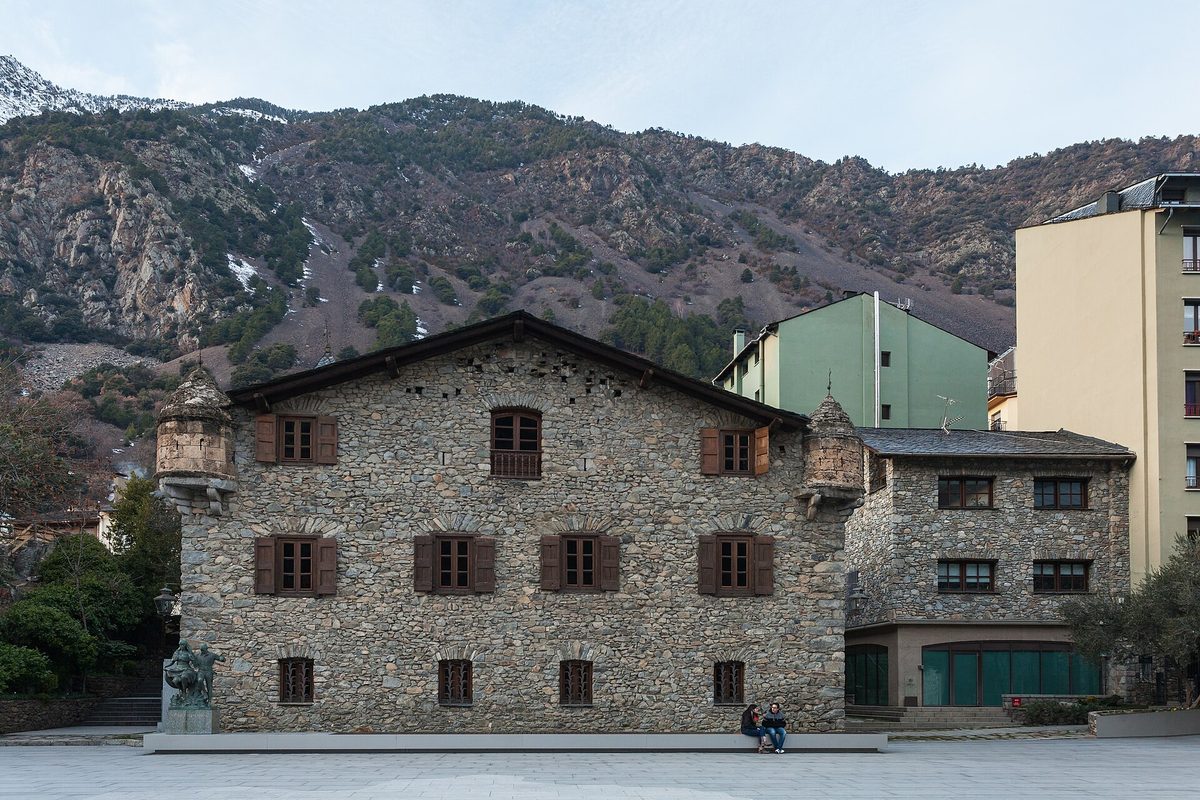
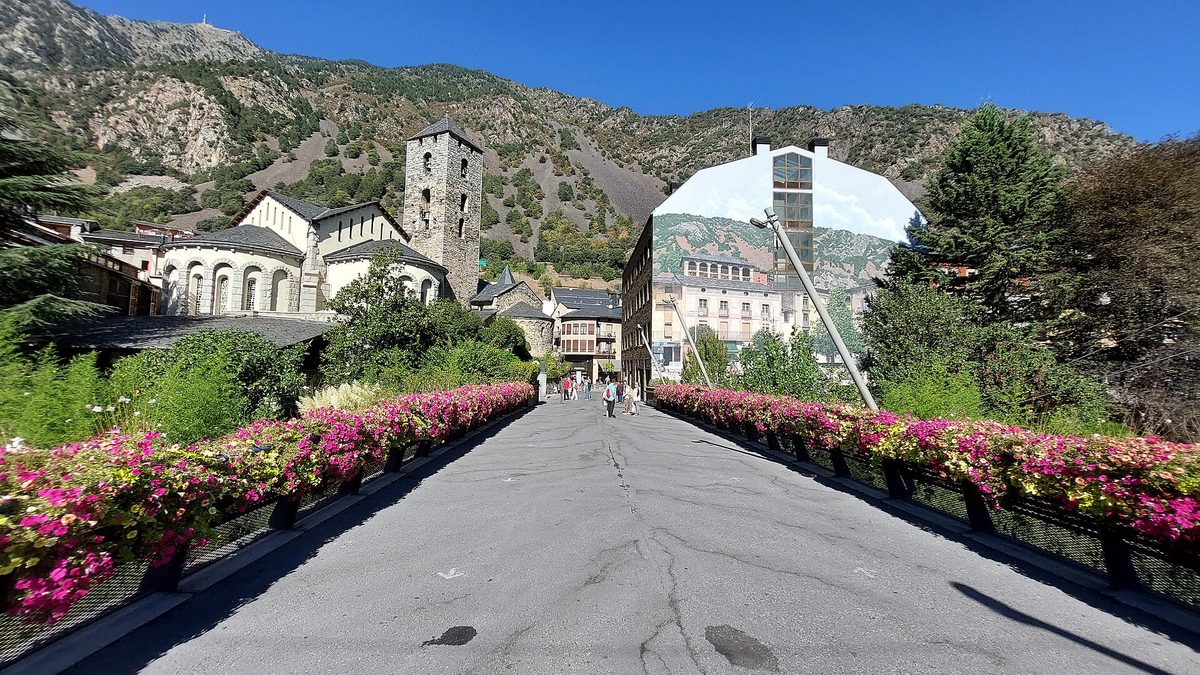
The old quarter above the shopping streets — a few hundred metres of cobbled lanes around Casa de la Vall and the church of Sant Esteve — is where I send anyone who wants to eat properly. The rooms here are small, often family-run, and lean toward serious Catalan-French cooking: grilled mountain meats, game in autumn, careful starters, a proper wine list. Because the tables are few, they fill; book anything with fewer than ten covers, especially on a winter weekend. Café tables on Plaça Príncep Benlloch are also the nicest spot in the capital for a mid-morning coffee before the crowds climb up from the mile.

Off Meritxell: where locals actually eat
You don’t have to climb to the old town to escape the tourist premium. The grid of streets on the river side of Meritxell — Carrer de la Unió, Avinguda del Consell d’Europa, the blocks around the Riberaygua area — hides the everyday restaurants locals use: honest menús del dia at lunch, unfussy family kitchens, a couple of very good Peruvian and Argentine grills that reflect the capital’s large South American community. The rule holds all over town: the moment a street stops selling handbags and starts selling hardware, the food gets better and cheaper.
Escaldes and the Vivand end
Keep walking north-east and, without crossing anything more dramatic than a street sign, you slip into Escaldes-Engordany — technically a separate town, functionally the same city. The pedestrian Avinguda Carlemany (Vivand) has a calmer, more local spread of terraces than Meritxell, and it’s the natural place to eat if you’re basing yourself near Caldea. A long lunch here before or after a spa session is one of the capital’s better-kept rhythms.
The Andorran dishes to order (and what they actually are)
Andorran food is mountain Catalan with French edges: pork, cabbage, potatoes, snails, river trout, game — the food of a cold place that had to make winters count. You’ll find it across the country, but the capital is the easiest place to eat it well. Here’s what to look for, and what it means, so you can order from a Catalan menu with confidence. For the fuller story, my guide to Andorran food goes deeper on each dish.
Trinxat: start here
If you order one thing, order trinxat. It’s mashed potato and winter cabbage fried together with pork belly or bacon into a crisp-edged cake — the mountain cousin of bubble and squeak, and when it’s done right, with a properly caramelised crust, it’s the best cheap plate in the country. Most traditional kitchens do a version; it costs around €10–14 and it will convert you to the whole cuisine in one forkful.
Escudella: the national dish
Escudella is Andorra’s national dish and a whole meal in a bowl: a rich broth-stew of veal, pork, chicken, white beans and big pasta shells, usually with a pilota (a large seasoned meatball) somewhere in it. It’s a winter Sunday tradition by origin, so it shows up most in the colder months and in the more traditional dining rooms. Order it hungry; it’s not a starter, whatever the menu says.
The rest of the mountain menu
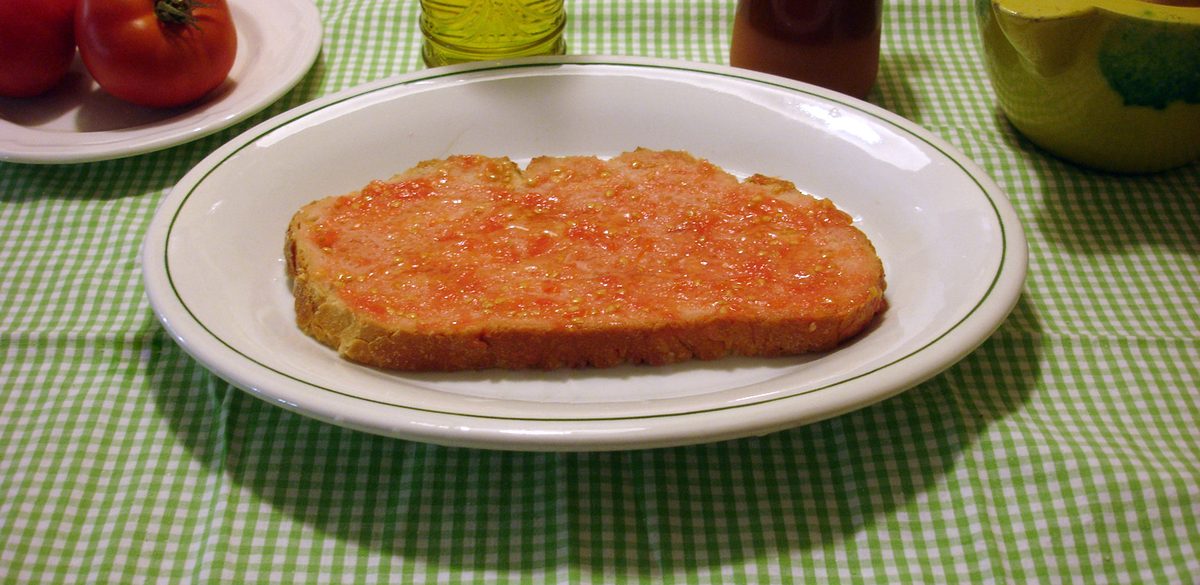
Beyond those two, look for cargols (snails, often a la llauna — grilled in a tin with garlic and herbs), grilled lamb and mountain veal chops a la brasa, duck with winter pears, river trout with mountain ham, and rabbit. Start with pa amb tomàquet (bread rubbed with tomato, garlic and oil) and some embotits — Pyrenean charcuterie. In autumn, the whole country goes quietly mad for wild mushrooms; if you visit between roughly September and November, the ceps and chanterelles on the seasonal menus are worth planning a meal around. And save room for crema andorrana, the local take on crème brûlée.
The borda: the meal you came for
The signature Andorran eating experience isn’t a dish, it’s a building. A borda is a traditional stone barn — the kind that once stored hay and livestock high on the mountainside — converted into a restaurant, all exposed stone, heavy timber and an open wood fire doing the grilling. The food is unpretentious and generous: platters of grilled meat, mountain stews, carts of vegetables wheeled to the table. It’s rustic in the genuine sense, not the interior-design sense.
The capital’s standard-bearer is Borda Estevet, on the Carretera de la Comella about ten minutes’ walk from the old town — a proper wood-fire grill that hasn’t changed its mind in decades. It isn’t cheap; count €40–55 a head with wine. But for a first, defining Andorran dinner, it’s the one I point people to. There are bordes scattered through the valleys beyond the city too, several within a short drive, and if you’re building a wider trip my food guide and the villages guide flag more of them. Book ahead for dinner, always.
Eating by budget and mood
The capital feeds every kind of traveller, from the €15 lunch crowd to the special-occasion table. Here’s how the money breaks down, and where each tier is hiding.
The menú del dia: the value play
The single best-value move in Andorra la Vella is the weekday menú del dia — a set lunch of three courses (starter, main, dessert) with bread and a drink, usually wine, for around €15–20. It’s a working-lunch institution here, served Monday to Friday, and it’s the cheapest way to eat serious cooking: the same kitchens that charge €35 à la carte at night will feed you beautifully at midday for half that. Look for the chalkboards a street or two off Meritxell; the mile itself charges a shopping-traffic premium. Lunch is the value meal in this city — a lesson worth internalising.
Mid-range à la carte
For a relaxed dinner without a special-occasion budget, mid-range à la carte runs roughly €25–40 a head with a drink. This is the sweet spot for the old-town rooms, the better bordes at their lighter end, and the international spots — you eat very well in this band. It’s also where the capital’s diversity shows: solid Italian, Japanese, Peruvian, Argentine and Indian kitchens sit alongside the Catalan ones, a range you wouldn’t expect from a town of 25,000.
Gastronomic and special occasion
At the top, expect €40–80 a head for the ambitious kitchens — including a well-known outpost of a celebrated Catalan chef inside one of the shopping centres, and a handful of refined old-town dining rooms. One honest correction, because guides get this wrong: Andorra’s only Michelin-starred restaurant is not in the capital — it’s up the valley near Canillo, in the ski country covered by my things to do guide. The capital’s high end is very good; it just isn’t starred.
Cheap, fast and late
For quick and cheap, the capital has the usual bakeries (a pa amb oli or a slice of coca for a couple of euros), plenty of tapas bars where you can graze for €10–15, and the late-night kebab and bocadillo kiosks that keep the winter ski crowd fed. Just know that this is an early-dining town by Spanish standards — more on hours below.
What eating out in Andorra la Vella actually costs
Here’s the honest part that the duty-free reputation obscures: Andorra’s low taxes do almost nothing for your restaurant bill. The 4.5% IGI (the local VAT) versus Spain’s 21% is a huge deal on a bottle of perfume or a carton of cigarettes, but a plate of food is mostly labour, rent and ingredients, not tax — so eating out costs roughly what it does in a mid-sized Spanish city, sometimes a touch more. If you came expecting cut-price dinners to match the cut-price whisky, recalibrate.
Where the tax gap does show up is the drinks. Wine and spirits are meaningfully cheaper than across the border — a decent bottle on a restaurant list can run 20–35% below what you’d pay in Barcelona or Madrid, and Andorran high-altitude wines (look for Borda Sabaté labels) are a genuinely interesting, well-priced discovery. A cafè amb llet on a terrace still costs under €2.50. So the smart order is honest mountain food at fair prices, with a good bottle you’d never afford elsewhere. For the full picture of what the low-tax status does and doesn’t get you, see my guide to shopping in Andorra.
Two small line items that surprise first-timers: bread is usually charged separately (around €1–2 a head), and bottled water runs €2–3. Neither is a scam — it’s standard practice across Catalonia — but they nudge the “cheap lunch” up a little.
Practical: hours, booking, tipping and timing
A few things that make the difference between a good meal and a frustrated hour wandering past shuttered kitchens.
When restaurants are actually open
Andorra runs on Spanish-Catalan meal times, which trip up visitors from almost everywhere else. Lunch is served roughly 13:00–15:30 and dinner from about 20:00 to 22:30, and outside those windows most proper kitchens are closed — turn up at 18:30 expecting dinner and you’ll be eating crisps. Many restaurants also close one day a week (often Sunday evening or Monday). And this is an early town after dark: kitchens mostly stop by 22:30–23:00, earlier than Barcelona. If you like a late dinner, the winter ski season is when the city stays up latest.
Booking
For the old-town rooms, the bordes and anywhere with a small dining room, book — especially Friday and Saturday nights and throughout the ski season, when the capital fills with visitors from the resorts. A phone call or a message usually does it. Weekday lunches you can generally walk into, though the popular menú-del-dia spots fill fast around 14:00.
Tipping
Tipping is modest and optional here, as across Spain. Service isn’t automatically added; locals round up or leave small change, and 5–10% for a meal you really enjoyed is generous rather than expected. Don’t feel obliged to tip American-style — it isn’t the custom, and no one will chase you.
Fitting food into the day
The capital is compact and flat, so meals slot easily around everything else. My suggested rhythm: a big weekday menú del dia after a morning in the old town, a light tapas graze if you’re shopping, and a proper borda or old-town dinner in the evening. If you’re planning a full day in town, the one day in Andorra la Vella itinerary builds the meals in, and the nightlife guide picks up where dinner leaves off.
Eating in the capital by traveller type
A few quick pointers depending on who you’re travelling with, because the capital serves some groups better than others.
Families
Andorra is genuinely relaxed about children, and the grills and bordes suit families well — big shareable platters, no fuss about early arrivals, and menús del dia that keep the cost sane. The catch is timing: with dinner starting at 20:00, younger kids do better with a big late lunch and a lighter early-evening bite. Pizzerias and casual spots off Meritxell fill the gap on the nights nobody wants a two-hour dinner.
Couples and special occasions
The old-town dining rooms are the romantic pick — small, candlelit, serious about their cooking — and the gastronomic tables reward a booking made a few days out. Pair dinner with an evening walk over the Pont de París and the floodlit Dalí sculpture, and the capital punches well above its size for a night out.
Vegetarians and dietary needs
Traditional mountain cooking is proudly meat-heavy, so committed vegetarians will find the classic bordes limiting beyond trinxat, escalivada and mushroom dishes. The upside is the capital’s international scene: Italian, Indian, Japanese and Middle Eastern kitchens all cater well, and most modern restaurants now flag vegetarian and gluten-free options clearly. Ask — staff are used to it.
Where to eat in Andorra la Vella: frequently asked questions
What food is Andorra la Vella known for?
Mountain Catalan cooking: trinxat (fried cabbage, potato and pork), escudella (a hearty meat-and-pasta broth that’s the national dish), grilled lamb and veal, snails, river trout, game and autumn wild mushrooms. The capital is the easiest place in the country to eat all of it well, alongside a surprisingly broad international restaurant scene.
Where is the best area to eat in Andorra la Vella?
The Barri Antic (old town) around Casa de la Vall, and the quieter residential streets a block or two off Avinguda Meritxell. The shopping mile itself is convenient but rarely the best value or the best cooking. As a rule, walk until the shops thin out and the food improves.
Is Andorra la Vella expensive for eating out?
It’s moderate — roughly on par with a mid-sized Spanish city, sometimes slightly higher. The low duty-free taxes barely affect food prices; they mainly make wine and spirits cheaper. A weekday set lunch runs about €15–20, mid-range dinner €25–40 a head, and a full borda experience €40–55.
What is a borda?
A borda is a traditional Pyrenean stone barn converted into a restaurant, with exposed stone, timber beams and an open wood fire used for grilling. Bordes serve generous, rustic mountain food — grilled meats, stews, seasonal vegetables — and eating in one is the classic Andorran dining experience. Borda Estevet is the capital’s best-known example.
Do you need to book a restaurant in Andorra la Vella?
For dinner at old-town rooms, bordes and small restaurants, yes — particularly on weekends and during the ski season, when the city fills with visitors from the resorts. Weekday lunches are usually walk-in, though popular menú-del-dia spots get busy around 14:00. A quick phone call is normally enough.
Is there a Michelin-starred restaurant in Andorra la Vella?
No. Andorra’s single Michelin-starred restaurant is up the valley near Canillo, not in the capital. Andorra la Vella still has excellent high-end and gastronomic dining, including a branch of a celebrated Catalan chef’s restaurant, but none currently holds a star. Don’t believe guides that claim otherwise.
What time do restaurants open in Andorra la Vella?
Lunch is roughly 13:00–15:30 and dinner about 20:00–22:30, following Spanish-Catalan meal times. Outside those windows most kitchens are shut, and the city dines earlier than Barcelona, with kitchens closing around 22:30–23:00. Many restaurants also take one day off a week, often Sunday evening or Monday.
Do you tip in Andorra restaurants?
Tipping is optional and modest, as in Spain. Service isn’t automatically added to the bill; rounding up or leaving small change is normal, and 5–10% is generous for a meal you loved. There’s no expectation of American-style tipping, so tip what feels right and no more.
Related Andorra travel guides
Keep planning your trip with my other in-depth guides: the capital Andorra la Vella, the country-wide guide to Andorran food, shopping in Andorra la Vella, where to stay in the capital, its nightlife, a one-day itinerary, whether the capital is worth visiting, the thermal town of Escaldes-Engordany, and how to get to Andorra.
Photo credits
All photographs are from Wikimedia Commons under their stated licences, with thanks to the photographers:
1 comment
Comments are closed.