Is Andorra la Vella worth visiting? I’ve watched first-time visitors answer that badly in both directions. Half arrive expecting a miniature alpine Prague and are crushed to find perfume shops and concrete. The other half write it off as “just a shopping mall with mountains,” speed through to the ski lifts, and miss a genuinely lovely old quarter, the best thermal spa in southern Europe, and a setting that stops you in the street. The truth sits between them, and getting it right is the difference between a disappointing detour and a good day.
Is Andorra la Vella worth visiting? Yes — but with calibrated expectations. It’s worth a full day for its old town, spa and mountain setting, and it’s an excellent, cheap base for the rest of the country. It is not a multi-day sightseeing city, and it’s a stretch as a rushed day trip from Barcelona. This honest guide is for anyone deciding whether to bother.
Last updated: July 2026. Prices, opening hours and attraction closures change; check official sites before building a trip around any single thing mentioned here.
Below I’ll give you the honest case for and against, my actual verdict, who should visit and who should skip, and how to make the visit worth it. It condenses my full Andorra la Vella guide into a straight yes-or-no.
Is Andorra la Vella worth visiting? The short verdict
| Worth it for… | Not worth it for… |
|---|---|
| A day of old town, spa and setting | A multi-day city-sightseeing break |
| A cheap, central base for the mountains | Anyone expecting a grand historic capital |
| Duty-free shopping done well | Bargain hunters who dislike crowds and traffic |
| Thermal spa and mountain walks | A rushed round-trip from Barcelona |
| Families, couples, skiers, hikers using it as a hub | Travellers who want a compact, pretty old-world city |
The one-line answer I give friends: give the capital one full day, sleep here two or three nights, and spend the rest of your time up mountains. Do that and it over-delivers. Treat it as a three-day destination in itself and it will let you down.
The honest case for visiting (what it is)
Let me make the positive case first, because the internet undersells it. Andorra la Vella is far more than the shopping strip that dominates its reputation.
A small but real old town
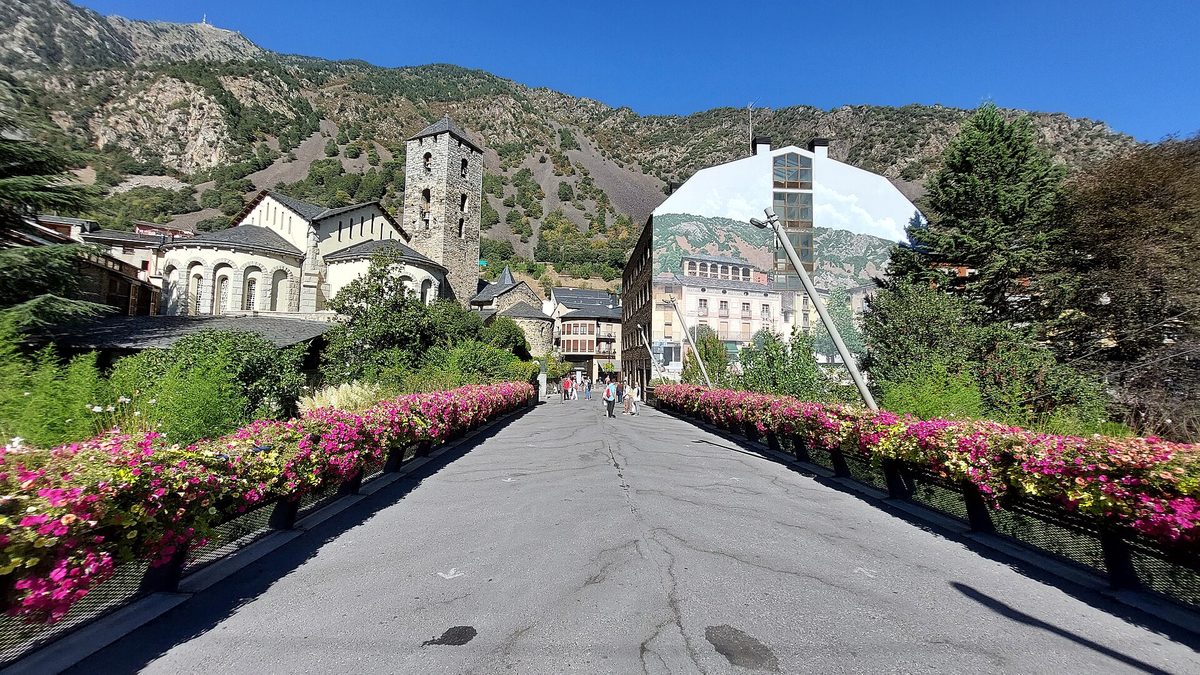
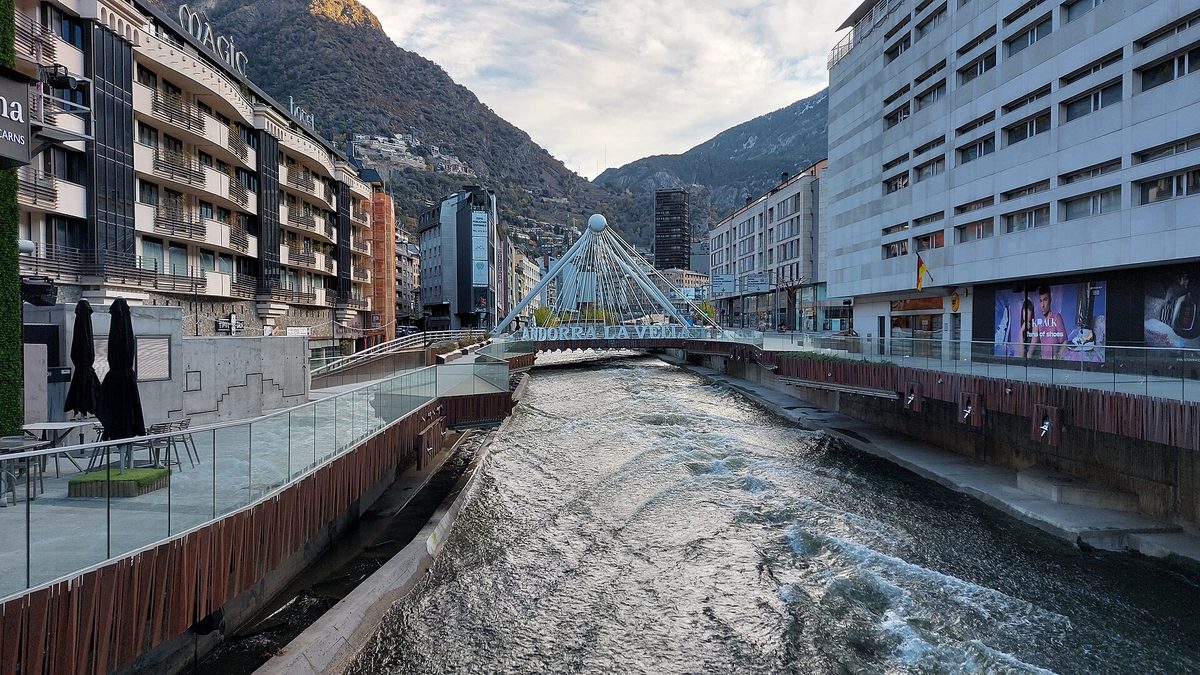
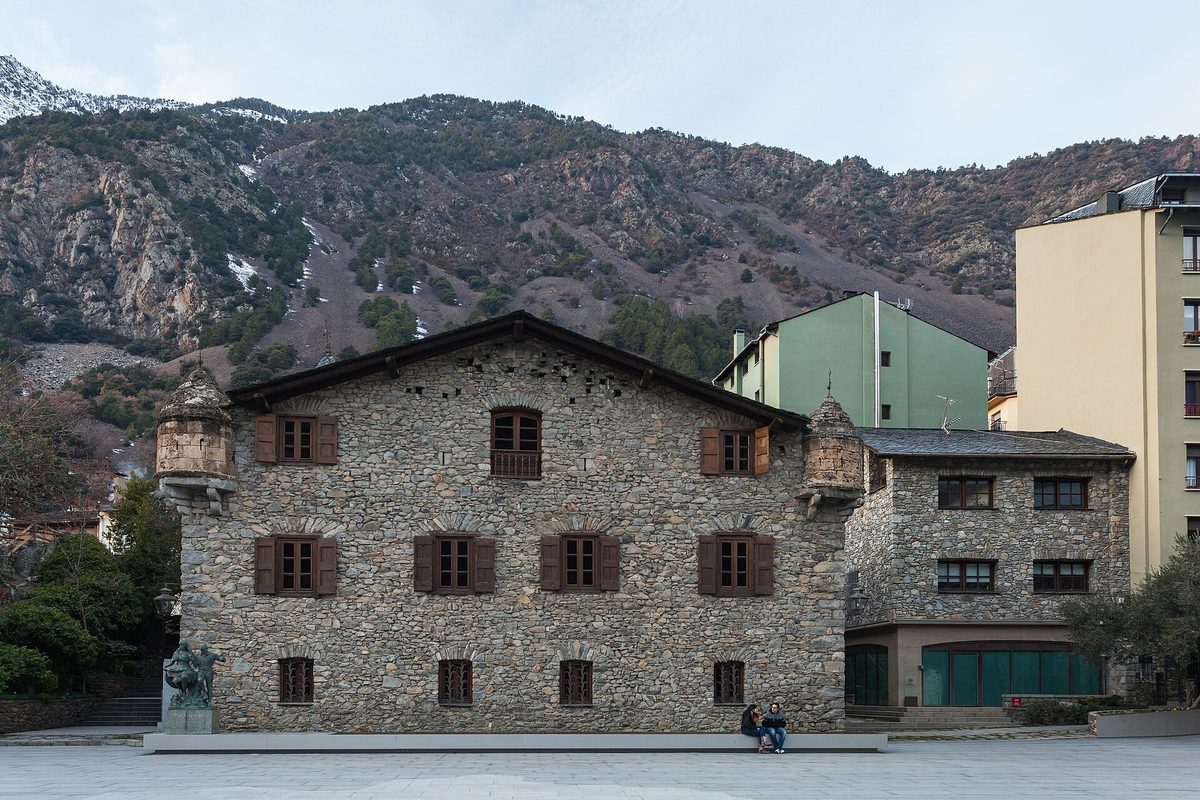
The Barri Antic is genuinely old and genuinely charming — a compact knot of cobbled lanes around Casa de la Vall, the 1580 manor that was the country’s parliament for three centuries, and the 12th-century Romanesque church of Sant Esteve. It’s small — you’ll see it in a morning — but at 8am, before the coaches, those stone lanes are yours alone, and they tell the story of how this odd little country survived. Add the free Salvador Dalí sculpture by the river and the striking Pont de París, and the sightseeing core is more rewarding than its critics admit.
The setting, and the spa
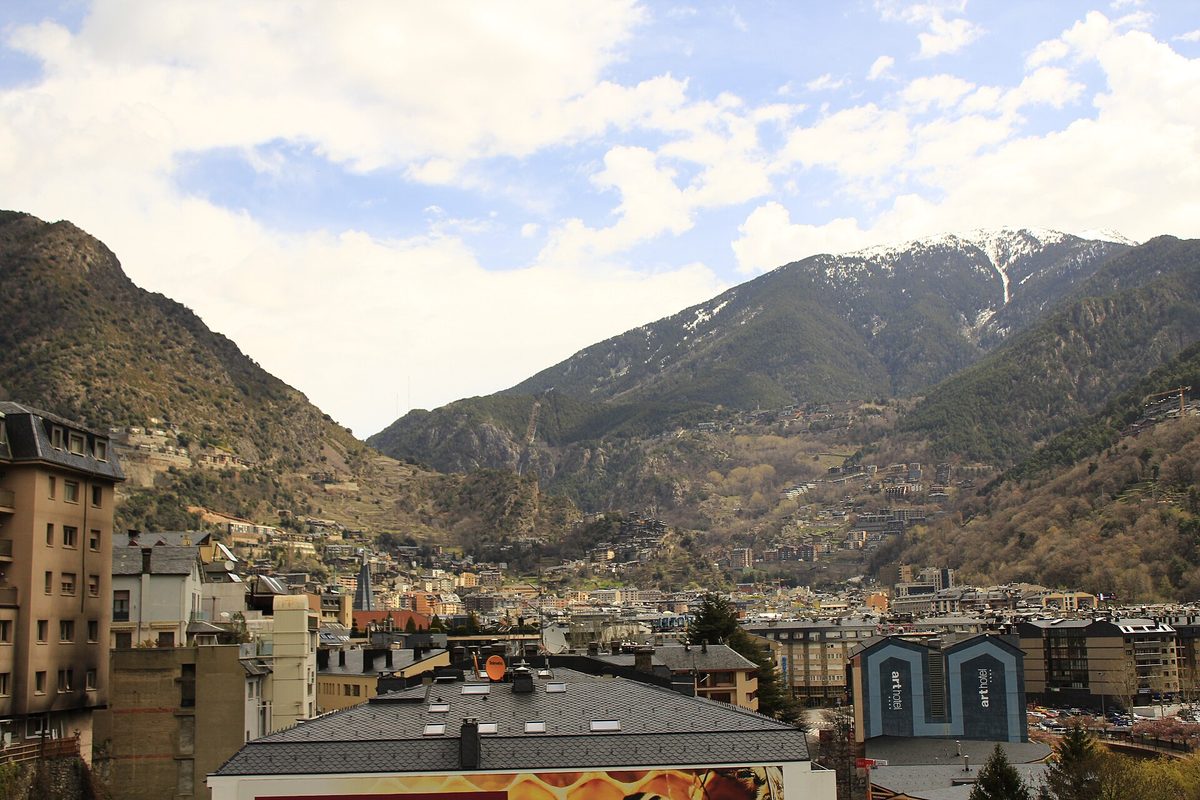
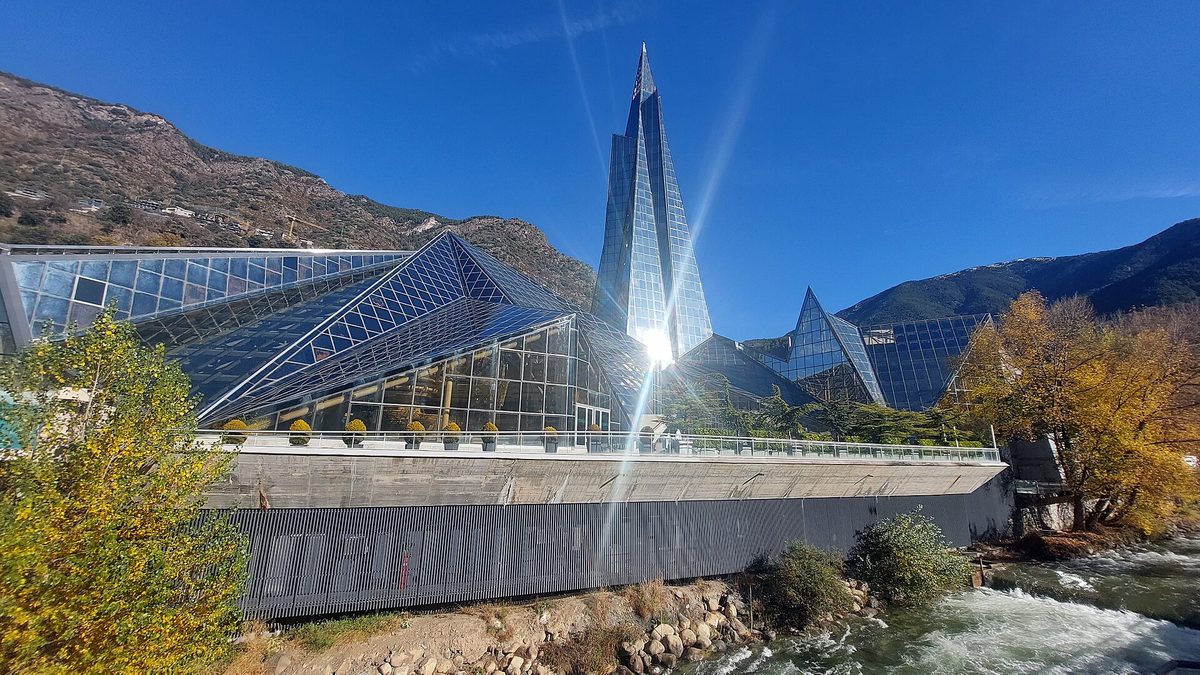
The setting is the quiet showstopper: 2,000 m ridgelines rise straight from the rooftops, and from the middle of the shopping mile you can see snow six months of the year. And then there’s Caldea — the largest thermal spa complex in southern Europe, an 80 m glass spire full of warm lagoons, saunas and hydromassage. Floating in 34°C water while snow falls on the glass roof is worth the trip on its own, and it’s the single attraction that converts sceptics. Twenty minutes’ walk above the city, the free Rec del Solà balcony path gives you the whole valley from a silent oak-shaded terrace — the capital’s best-kept secret.
The best base in the country
This is the strongest argument, and the one day-trippers miss. Andorra la Vella is the country’s transport hub, its cheapest good beds, its best restaurants and its thermal water, all within a 25-minute walk. Nothing in Andorra is more than about 40 minutes away, so you can sleep here and reach the ski slopes, the trails and the villages without a car. As base camp, it quietly over-delivers — which is exactly how I’d use it.
Safe, cheap and easy
It’s also one of Europe’s safest places, with very low crime; the food is better and cheaper than a tax haven has any right to serve, with three-course lunches around €15–20; and the whole visitor city is flat and walkable. For a relaxed, low-stress stop, it ticks boxes bigger capitals don’t. My guides to eating and staying in the capital have the detail.
The honest case against (what it isn’t)
Now the other side, stated fairly, because you deserve both.
It’s not a multi-day sightseeing city
The historic core is small and you can genuinely see it in a morning. If you’ve allocated three days to the city itself — the city, not the country — you’ve over-allocated, and by day two you’ll be wandering the same shopping street wondering what you’re missing. Anyone selling Andorra la Vella as a three-day city break is selling hotel nights. It’s a half-day of sightseeing wrapped in a great base, not a Vienna.
It’s commercial, and it’s built up
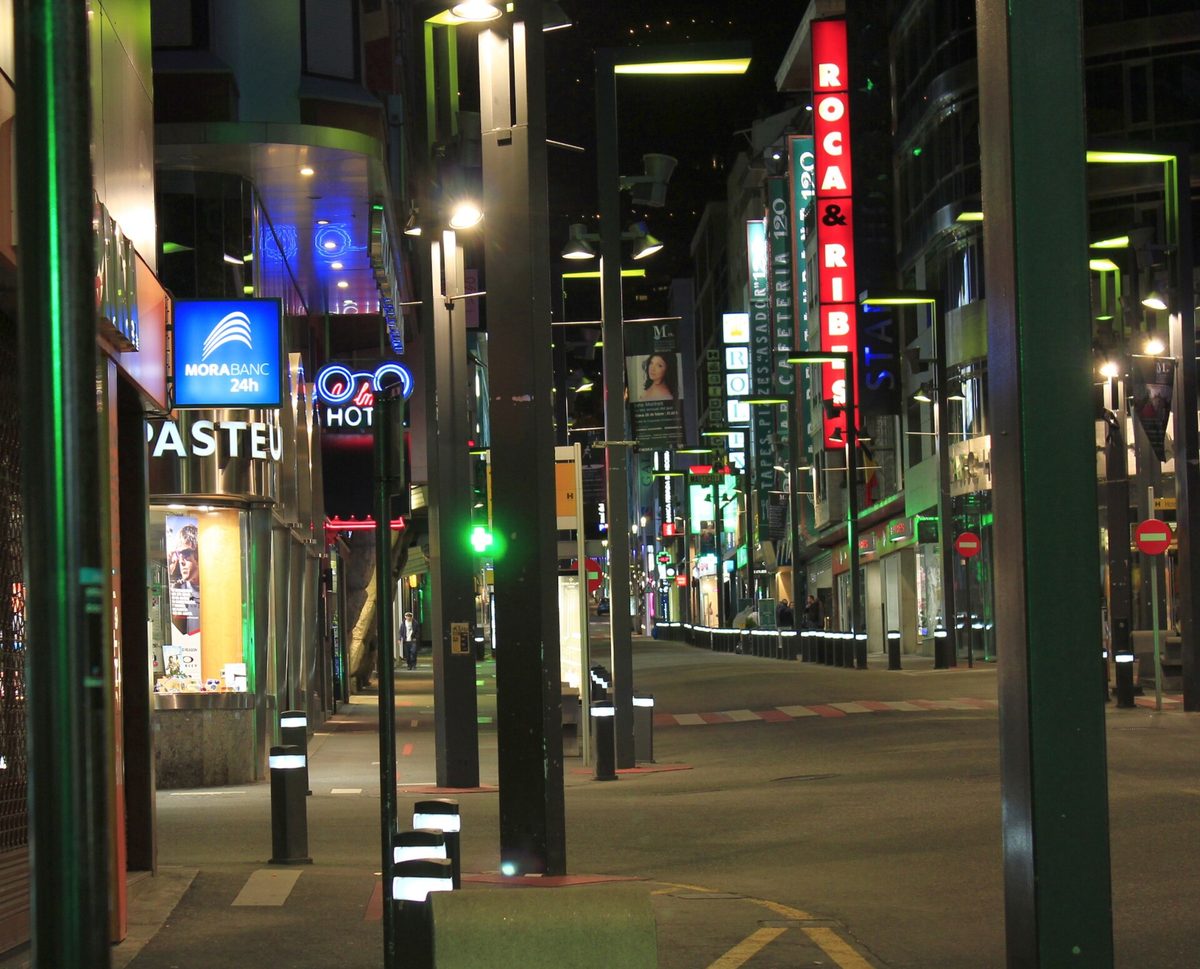
This is a working commercial capital, not a museum piece. The valley is tight, so the 20th century built upward in concrete and glass, and the through-traffic on a winter Saturday is real. If your heart is set on a chocolate-box old-world city, the modern bulk pressed around the small stone quarter will disappoint you. It has its own energetic charm, but “pretty” isn’t quite the word.
The “just shopping” reputation is half true
Let’s be honest: shopping genuinely dominates. The government’s own surveys say most day visitors come primarily to shop, and the 1.5 km of perfume, electronics and fashion is the loudest thing in town. If you have no interest in duty-free shopping, a chunk of the city simply isn’t for you — and the savings themselves are narrower than the hype suggests, real on perfume, tobacco and spirits but thin on much else.
It’s a poor rushed day trip
Plenty of people attempt Andorra la Vella as a day trip from Barcelona. It works as a shopping dash, but as sightseeing it’s a lot of coach — about three hours each way — for a few hours in town. You spend more time travelling than visiting, and you miss the mountains entirely, which are the actual point of the country. If that’s your only option, fine; but an overnight transforms it. The routes are in my how to get to Andorra guide.
So is Andorra la Vella worth visiting? My verdict
Yes — with the framing I keep repeating because it’s the whole game: worth a day, worth a base, not worth a dedicated city break. If you arrive expecting a grand or picture-perfect capital, you’ll be underwhelmed within an hour. If you arrive understanding that this is a compact, modern mountain capital with a lovely small old town, a world-class spa, superb access to the Pyrenees, and honest, affordable food — then it quietly exceeds expectations.
The visitors who leave happy are almost always the ones who used it right: a morning in the old town, an afternoon in the spa or on a mountain, a good dinner, and the mountains themselves as the main event over a few days. The visitors who leave grumbling are the ones who expected the city to be the whole show. Set your expectations correctly and the answer is an easy yes. My honest full-length Andorra la Vella guide is where I make the complete case. Put simply: manage your expectations and Andorra la Vella rewards you; arrive with the wrong ones and it can’t. That’s true of a lot of places, but it’s especially true of this small, misunderstood mountain capital — which is exactly why the question is worth asking before you go.
What tends to surprise visitors
The people who change their minds about the capital usually do so over the same handful of things they didn’t expect.
The spa. More sceptics are won over by an afternoon in Caldea than by anything else in the city. It’s a genuinely world-class thermal complex, and floating under the glass spire is the memory people take home. The old town at dawn. Visitors who only see the Barri Antic at midday find it small and busy; those who wander it at 8am find it quiet, atmospheric and much older-feeling than the shopping streets suggested. The free mountain walks. Almost nobody expects to step off a perfume-lined avenue and be on a silent balcony path 100 m above the rooftops twenty minutes later, but the Rec del Solà delivers exactly that. The food. The cooking a few streets off the mile — mountain Catalan bordes, cheap set lunches, high-altitude Andorran wine — is far better than a duty-free town has any right to serve. And the safety and ease: a relaxed, walkable, low-crime city where nothing is stressful is its own quiet pleasure. None of these are on the postcards, and all of them are why people leave warmer on the place than they arrived.
Capital, village or ski resort? Where to actually base
Part of deciding whether Andorra la Vella is worth it is knowing what you’d choose instead. If your priority is charm, one of Andorra’s stone villages — Ordino above all — gives you the pretty, old-world Pyrenean feel the capital can’t. If your priority is a pure ski week, a slope-side base like Soldeu earns its higher price in convenience. Where the capital wins is the all-rounder case: it’s the cheapest good beds, the best and widest food, the thermal spa, the shops and the transport hub, all in one flat, walkable place. For a first trip, a mixed-interest group, or anyone travelling without a car, that combination is hard to beat, and it’s why I default to recommending it as a base. The honest move for many visitors is a hybrid — most nights in the capital for value and convenience, plus one in a village or resort for contrast. The full comparison, resort by resort, is in my where to stay in Andorra guide, and the case for the mountains themselves is in skiing and hiking in Andorra.
When it’s most worth visiting
Whether the capital feels worth it also depends on when you come. Winter (December–March) is when it makes most sense: the ski season gives the city life, the Christmas lights and market fill the squares, and you’re on the slopes in under an hour. Summer (June–September) is my favourite city season — warm terraces, every mountain trail open, festivals and free concerts, and long evenings on Vivand. Spring and autumn are the quiet, cheap shoulder seasons: fewer crowds, lower prices, and September in particular pairs summer weather with empty shops. One 2026 caveat worth knowing: Caldea has closed zones for major works for part of the year, so if the spa is central to your visit, check its live timetable before you commit. The full month-by-month picture is in my best time to visit Andorra guide. In short, there’s no bad season to visit — only different versions of the city, and the trick is matching the season to what you want from the trip.
Two myths worth correcting
Two things visitors often get wrong, both of which affect whether it’s “worth it” for you. First, Andorra isn’t tax-free — it’s low-tax, at 4.5% versus the EU’s ~21%, so shopping is meaningfully cheaper on some things (perfume, tobacco, spirits) and barely cheaper on others (fashion, electronics). Come for the guaranteed-bargain fantasy and you’ll be disappointed; come knowing which categories actually save and you’ll do well. Second, the capital has no Michelin star — the country’s one starred restaurant is up the valley near Canillo — but its everyday and mid-range eating is genuinely good, which matters more for most trips. Get these two straight and your expectations, and your verdict, land in the right place.
Who should visit — and who should skip
Visit if you’re going skiing or hiking and want a cheap, central, well-fed base; you like thermal spas; you enjoy duty-free shopping; you’re touring the Pyrenees and want a comfortable hub; or you simply want a relaxed, safe, walkable day in a dramatic mountain setting. For all of those, it’s a clear yes, and my one-day itinerary shows how to spend the time.
Skip it, or keep it brief, if you want a pretty, historic old-world city (you’ll find far more in nearby Catalan towns), if you dislike shopping and crowds and have no interest in the mountains, or if the only way you can visit is a rushed round-trip that eats your whole day in a coach. There’s no shame in giving it a few hours rather than a few days — that’s often exactly the right dose.
How to make the visit worth it
If you do go, a few decisions tip it firmly into “worth it”:
- Stay at least one night. The city is a different, better place early and late, when the day-trippers have gone. It also unlocks the mountains around it.
- Give the city one day, the country the rest. Old town and spa in town; everything else up a mountain. That ratio is the trip that works.
- Do the old town early. Before 9:30 the Barri Antic is quiet and lovely; by midday it’s busy.
- Book Caldea, and consider an evening session. It’s the attraction that wins people over — check the timetable, as zones close for maintenance.
- Walk the Rec del Solà. Twenty minutes uphill and free, it completely reframes the city and its setting.
- Eat off the shopping strip. The best food is a few minutes’ walk from the mile, and it’s where the city surprises you.
Is Andorra la Vella worth visiting: frequently asked questions
Is Andorra la Vella worth visiting?
Yes, for a day and as a base — no, as a multi-day sightseeing city. Its old town, the Dalí sculpture, the Caldea spa and the mountain setting fill a satisfying day, and it’s a cheap, central hub for skiing, hiking and the rest of the country. Just don’t expect a grand historic capital, and don’t build a three-day city break around it.
Is Andorra la Vella boring?
Not if you use it right. It can feel flat if you expect a big-city cultural scene or several days of urban sightseeing, because the historic core is small and shopping dominates. But with a spa session, a mountain walk from the doorstep, good food and the country’s peaks a short bus away, there’s plenty to do — the interest is in and around the city, not just its streets.
How many days do you need in Andorra la Vella?
One full day covers the city itself — old town in the morning, shops or Caldea in the afternoon, a borda dinner. Sleep here two to four nights if you’re using it as a base for skiing, hiking or touring the country, which is the best way to use it. More than a day spent only in the city, without venturing out, is usually too much.
Is Andorra la Vella just shopping?
Shopping dominates, and most day visitors come mainly to shop — so the reputation isn’t baseless. But it undersells the place: there’s a genuine medieval old town, a world-class thermal spa, free mountain-balcony walks and excellent food, all within a short stroll. Look past the perfume shops and there’s a real, if compact, destination underneath.
Is Andorra la Vella worth it as a day trip from Barcelona?
Only just. The bus is about three hours each way, so a day trip means six-plus hours travelling for a few hours in town, and you miss the mountains entirely. It works as a focused shopping run; as a sightseeing day it’s rushed and unsatisfying. If you can, stay overnight — it transforms the trip and lets you enjoy the old town and the spa properly.
What is Andorra la Vella known for?
Being Europe’s highest capital at 1,023 m, duty-free shopping along the 1.5 km Meritxell-Vivand mile, the Caldea thermal spa’s glass spire, the historic Casa de la Vall, and serving as the gateway to the Pyrenees’ biggest ski area. It’s a compact mountain capital whose fame rests on shopping and skiing more than on classic sightseeing.
Is Andorra la Vella expensive?
By Western European capital standards, no. Lunch menus run about €15–20, decent hotel doubles €70–120, and coffee under €2.50, all helped by the low 4.5% sales tax. Caldea tickets and borda dinners are the splurges. It’s pricier than small-town Spain but noticeably cheaper than Alpine resort towns — good value for a mountain capital.
Is Andorra la Vella safe to visit?
Very. Andorra has one of the lowest crime rates in Europe, and the compact capital feels relaxed day and night. Normal city common sense on busy shopping Saturdays is all you need. The realistic risks are the altitude and, if you’re driving between towns, the mountain roads in winter — not crime.
Is it Andorra la Vella or Andorra that’s worth visiting?
Both, but for different reasons — and the distinction matters. Andorra the country is well worth visiting for its mountains, skiing, hiking and thermal spa. Andorra la Vella, the capital, is worth a day and makes an excellent base, but it’s the country around it that justifies the trip. Come for Andorra; use Andorra la Vella as your comfortable, central home for it.
Related Andorra travel guides
Keep planning with my other in-depth guides: the full Andorra la Vella guide, a one-day itinerary, where to eat, shop and stay, the Caldea spa, the thermal town of Escaldes-Engordany, the wider things to do in Andorra, and the Andorra itinerary.
Photo credits
All photographs are from Wikimedia Commons under their stated licences, with thanks to the photographers: