I have a confession that would get me thrown out of most ski chalets: some of my best days in Andorra have been the ones where I never put on a pair of skis. I have soaked in thermal water while snow fell on my head. I have been dragged across a frozen plateau by a team of very enthusiastic huskies. I have spent an entire afternoon working through the perfume counters and outdoor shops of Andorra la Vella with the focus of a man on a mission. These are all things to do in Andorra besides skiing, and I have loved every one of them.
The best things to do in Andorra besides skiing are the Caldea thermal spa in Escaldes-Engordany, non-ski snow activities like snowshoeing, dog-sledding and snowmobiling, low-tax shopping in Andorra la Vella, and the country’s Romanesque churches and museums. This guide is for non-skiers, mixed groups, and anyone visiting Andorra in summer or a snow-free winter.
Last updated: July 2026. Prices, opening seasons and what’s actually running change constantly in a mountain country, so treat everything here as a starting point and check the official sites before you go.
Here’s the thing people get wrong about Andorra. They assume it’s a ski resort with a country attached. It’s the other way round. This is a tiny sovereign nation wedged into the high Pyrenees between France and Spain, with its own language, a thousand years of odd political history, a spa culture, a duty-free shopping habit and a landscape that is genuinely worth the drive on its own. The skiing is excellent. It’s also completely optional. Let me show you.
Things to do in Andorra besides skiing, at a glance
| Thing to do | Where | Best season | Rough cost | Worth it for |
|---|---|---|---|---|
| Caldea thermal spa | Escaldes-Engordany | Year-round | Around €42 (3h Thermoludic) | Everyone; couples for the Inúu adults area |
| Snowshoeing | Grandvalira, Naturland, natural parks | Dec–Apr | Around €30–€50 guided | Walkers, families, non-skiers |
| Dog-sledding (mushing) | Grau Roig, El Tarter | Dec–Mar | Around €40–€90 | Families, novelty-seekers |
| Snowmobiling | Grandvalira, Naturland | Dec–Mar | Around €60–€120 | Drivers 18+ with a licence |
| Low-tax shopping | Andorra la Vella, Pas de la Casa | Year-round | Free to browse | Bargain hunters, electronics, perfume, sports kit |
| Museums & Romanesque churches | Across all seven parishes | Year-round | Free–€10 | Culture, rainy days, history buffs |
| Tibetan Bridge & Roc del Quer | Canillo | Roughly Jun–Nov | Around €12 (bridge) | Views, warm-season visitors |

Thermal spa and wellness: the reason to visit even if you never touch snow
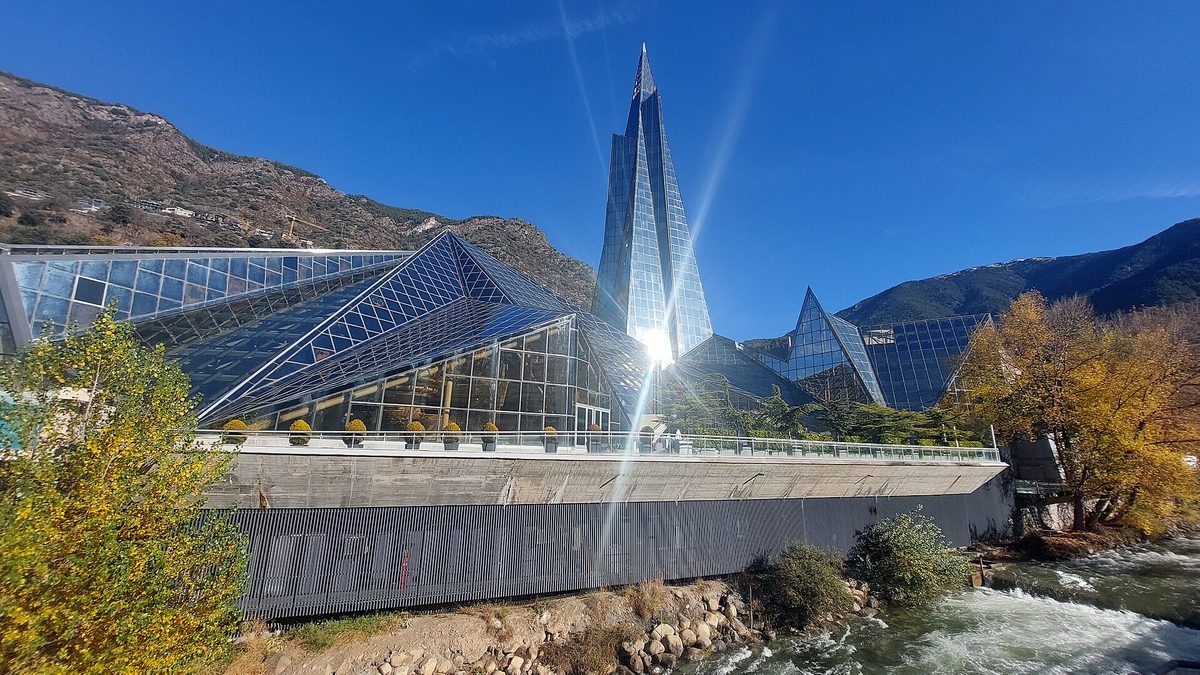
If you do one non-ski thing in Andorra, make it Caldea. It sits in Escaldes-Engordany, which is basically the same urban sprawl as Andorra la Vella (you can walk between the two), and it is the largest thermal spa complex in southern Europe. You’ll spot it from the road: an 80-metre glass pyramid that looks like it was borrowed from a science-fiction film. It opened back in 1994 and it’s still the most visited indoor attraction in the country, pulling in something like 700,000 people a year.
The water is the real draw. It comes out of the ground hot and heavily mineralised, rich in sulphur, and Escaldes-Engordany has been a thermal town for centuries — the name literally refers to hot springs. Inside, you get a big central lagoon with indoor and outdoor sections, jets, waterfalls, a grapefruit-scented steam bath, Icelandic pools where you shuffle between hot and cold, and various saunas and hammams. The standard ticket is for the Thermoludic zone, which is the family-friendly, everyone’s-welcome part.
The bit I’d push you towards, if you’re travelling as a couple or just want quiet, is Inúu. It’s Caldea’s adults-only wing (16 and over), calmer, with private-feeling lagoons and a more spa-like, less splashy atmosphere. It costs more and it’s worth it if peace is the point. There’s a children’s area too, Likids, for the little ones.
A few honest notes. It gets busy, especially late afternoon when the ski crowd comes down off the mountain to soak their legs — go in the morning if you can. Bring flip-flops and a swim cap (caps are sometimes required and always cheaper to bring than buy). And decide in advance whether you want the basic session or one of the packages with treatments and dining, because the price gap is large. Expect roughly €42 for a three-hour Thermoludic session as a ballpark; the spa updates its pricing regularly, so check the current rates on the official Caldea site. I’ve written a fuller walk-through in my dedicated guide to Caldea if you want the detail before you book.
Escaldes-Engordany also has smaller thermal spots and hotel spas if Caldea feels too much like a water park for your taste. But for a first visit, the pyramid is the one.
Andorra winter activities not skiing: snow without the slopes
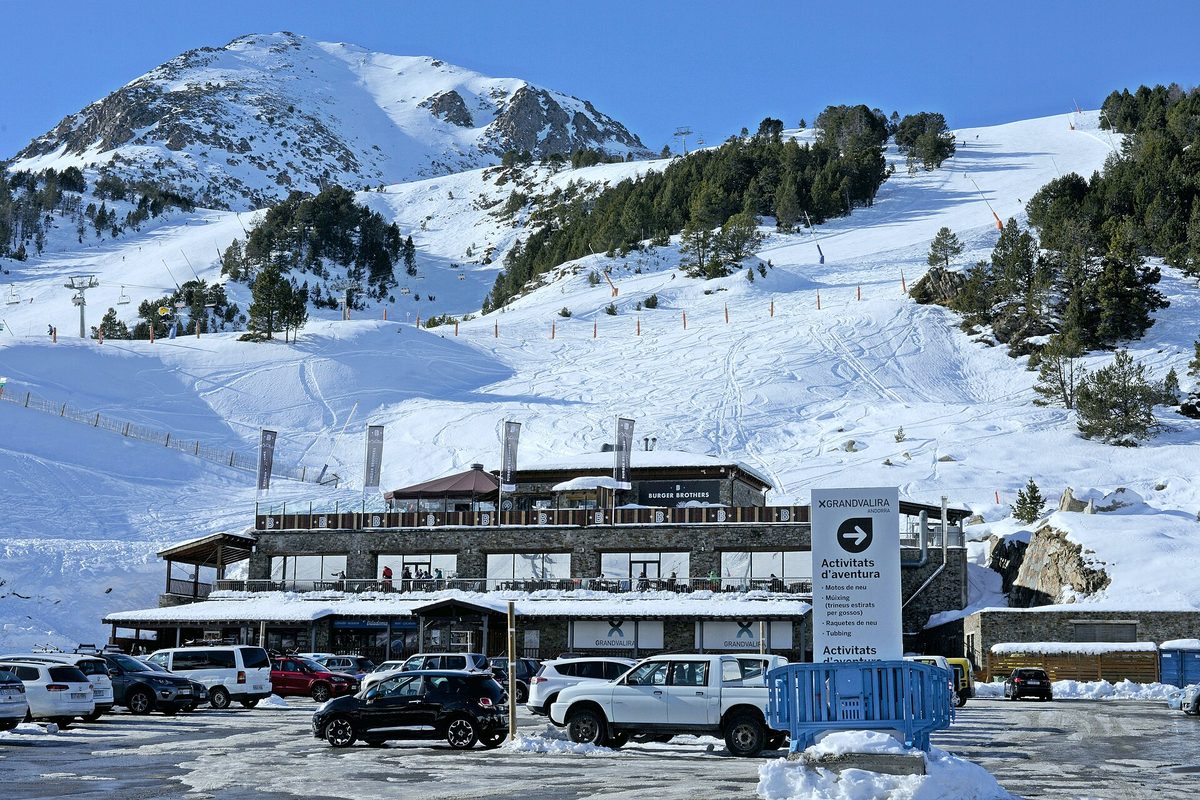
This is where Andorra quietly excels, and hardly anyone outside the region knows it: the range of Andorra non ski activities in winter is genuinely deep. You can spend a full week in deep winter here, be in the snow every single day, and never clip into a downhill ski. The resorts — mainly Grandvalira and Pal Arinsal, plus the Naturland activity park above Sant Julià — run a whole menu of snow activities for people who don’t ski or don’t want to ski today.
Snowshoeing
My favourite of the lot, and the easiest to recommend to anyone who can walk. You strap wide frames to your boots, which stop you sinking, and you head out across snowfields and through frozen pine forest that skiers never see. It’s peaceful in a way the pistes never are. Guided outings run from the Grau Roig and El Tarter sectors of Grandvalira, from Naturland, and from the natural parks — the Sorteny valley and the Madriu-Perafita-Claror valley are both gorgeous. Reckon on roughly €30 to €50 for a guided half-day. Go guided your first time; the guides read avalanche and weather conditions you won’t, and they know where the views are.
Dog-sledding (mushing)
Yes, really. Teams of huskies, a sled, and you either riding along or, on some experiences, learning to drive. It runs mainly out of Grau Roig and El Tarter when there’s enough snow. It is unapologetically a novelty — a short mushing taster can be over quickly and it isn’t cheap, somewhere in the €40 to €90 range depending on length — but if you’ve got kids, or you just want the story, it delivers. The dogs are the stars and they know it.
Snowmobiling
Louder, faster, and a genuine thrill on a floodlit evening run. You’ll find guided snowmobile excursions at Grandvalira and Naturland. Two things to know: you need a driving licence and you generally have to be 18 or over to drive one yourself, though children can often ride as passengers with an adult. Prices climb quickly with the length of the outing — think €60 upward, more for the longer twilight tours.
Tubing, sledging and igloos
For families and anyone who just wants to muck about in snow, there’s snow tubing (hurtling down a groomed channel in a giant inflatable ring), old-fashioned sledging areas, and — my slightly ridiculous favourite — igloo-building workshops, where a guide teaches you to cut and stack snow blocks into an actual shelter. Naturland is especially good for family snow play; it also has a very long alpine toboggan called the Tobotronc that runs in the warmer months. The Palau de Gel in Canillo has an Olympic-size ice rink if you fancy skating, plus curling and ice karting under the same roof.
Cross-country and ski touring
I’ll flag these for completeness even though they’re technically skiing — they just aren’t downhill resort skiing. Cross-country (nordic) skiing on flatter groomed loops is a workout and a joy, and ski mountaineering (skinning uphill under your own steam) is huge here. If the word “skiing” in your head means queues, lift passes and crowded pistes, neither of these will feel like that at all.
Shopping: Andorra’s not-so-secret national sport
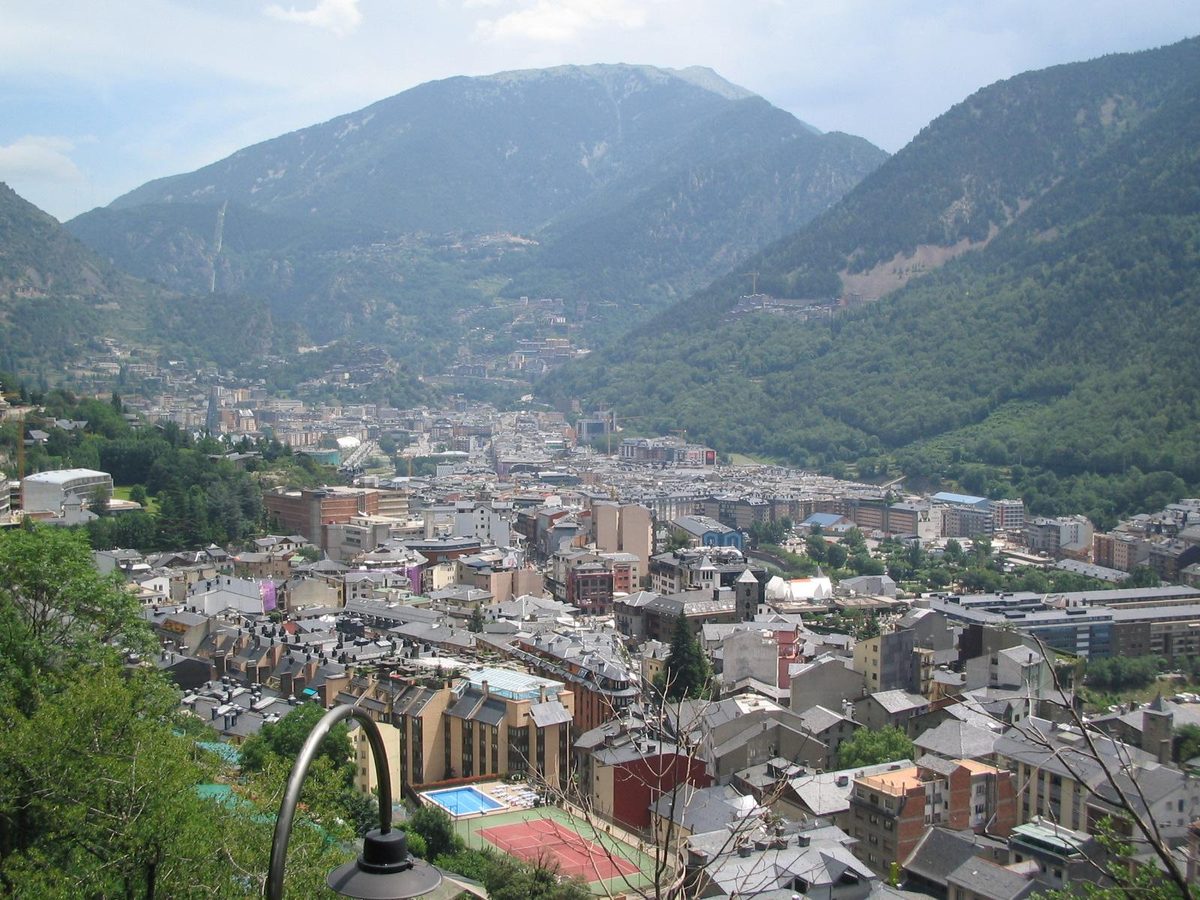
Andorra is a low-tax micro-state, and shopping is close to a reason-for-being. There’s no traditional duty-free-airport situation — you’re crossing a land border — but general prices on certain categories run noticeably below France and Spain, and the country’s low VAT-equivalent (it’s called IGI and sits far under EU rates) is the reason. The sweet spots are electronics and cameras, perfume and cosmetics, spirits and tobacco, watches, and outdoor and ski gear. Clothes and general goods are more of a mixed bag — sometimes a deal, sometimes not.
The main hunting ground is the long retail avenue running through Andorra la Vella and into Escaldes-Engordany — locals and signs call it the shopping mile, and its spine is the Meritxell avenue. It’s wall-to-wall shops, from big electronics chains and perfume halls to serious mountain-sports stores. The other shopping hub is Pas de la Casa, the border town up by the French frontier, which is heavy on supermarkets, alcohol and tobacco because it’s the first (or last) stop for French day-trippers.
A few candid pointers. Do the maths before you get excited — a “duty-free” sign doesn’t guarantee a saving, and some big-brand electronics are barely cheaper than at home once you factor in a sale back home. Perfume, spirits and tobacco are where the real gaps tend to be. Watch your allowances: there are limits on what you can carry back across the border into the EU (especially alcohol and tobacco), and customs at the French and Spanish exits do check. And remember Andorra isn’t in the EU or Schengen, so keep your passport handy. I go deeper on all of this, including which streets and stores are worth your time, in my full guide to shopping in Andorra.
Culture, museums and Romanesque churches
For such a small place, Andorra has an outsized stash of history, and most of it is indoors — which makes this section your friend on a grey day. The country reckons on around eighteen museums spread across its seven parishes.
Casa de la Vall, the old parliament
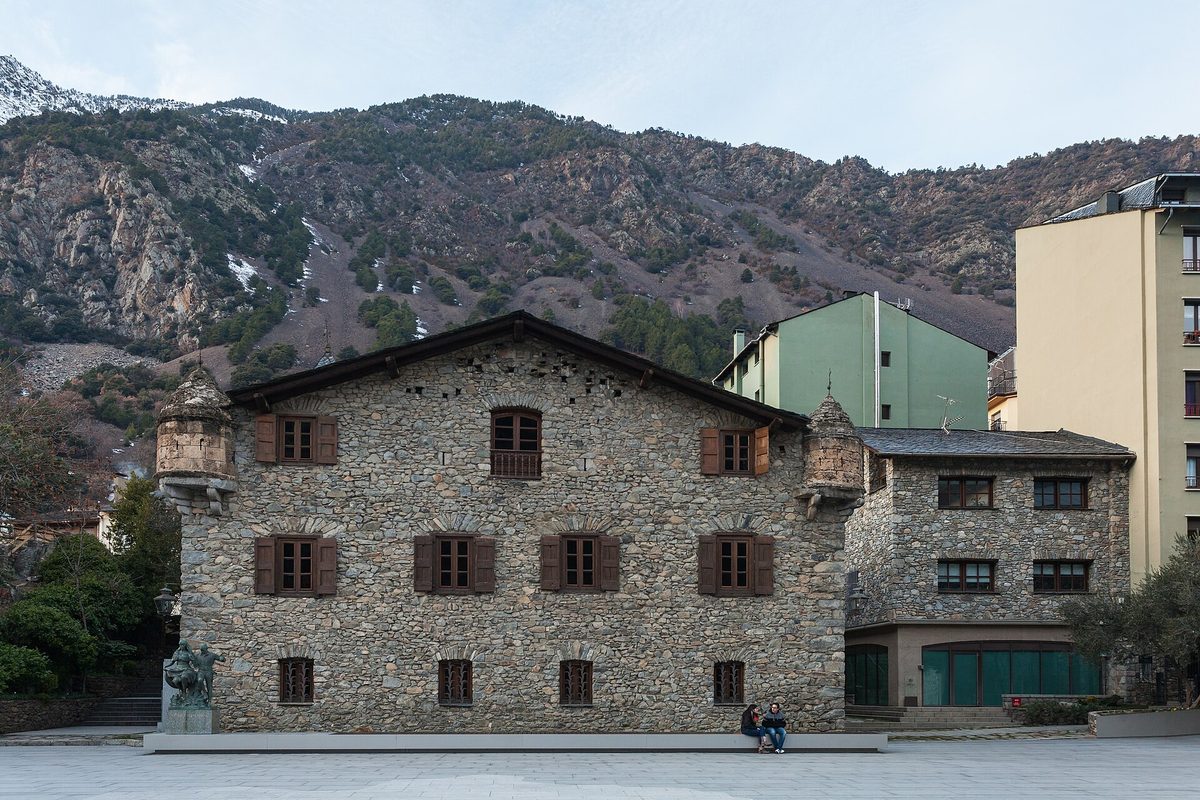
Start in the old core of Andorra la Vella at the Casa de la Vall. It was built in 1580 as a fortified manor house and became the seat of Andorra’s General Council — one of the oldest parliaments in Europe — for more than three centuries, right up until the modern parliament building took over in 2011. The detail everyone remembers is the Cabinet of Seven Keys: a cupboard holding the nation’s founding documents that could only be opened when a representative from each of the seven parishes turned up with their own key. Seven keys, seven people, one cupboard. Opening times vary and guided visits can need booking, so check before you turn up.
Romanesque churches
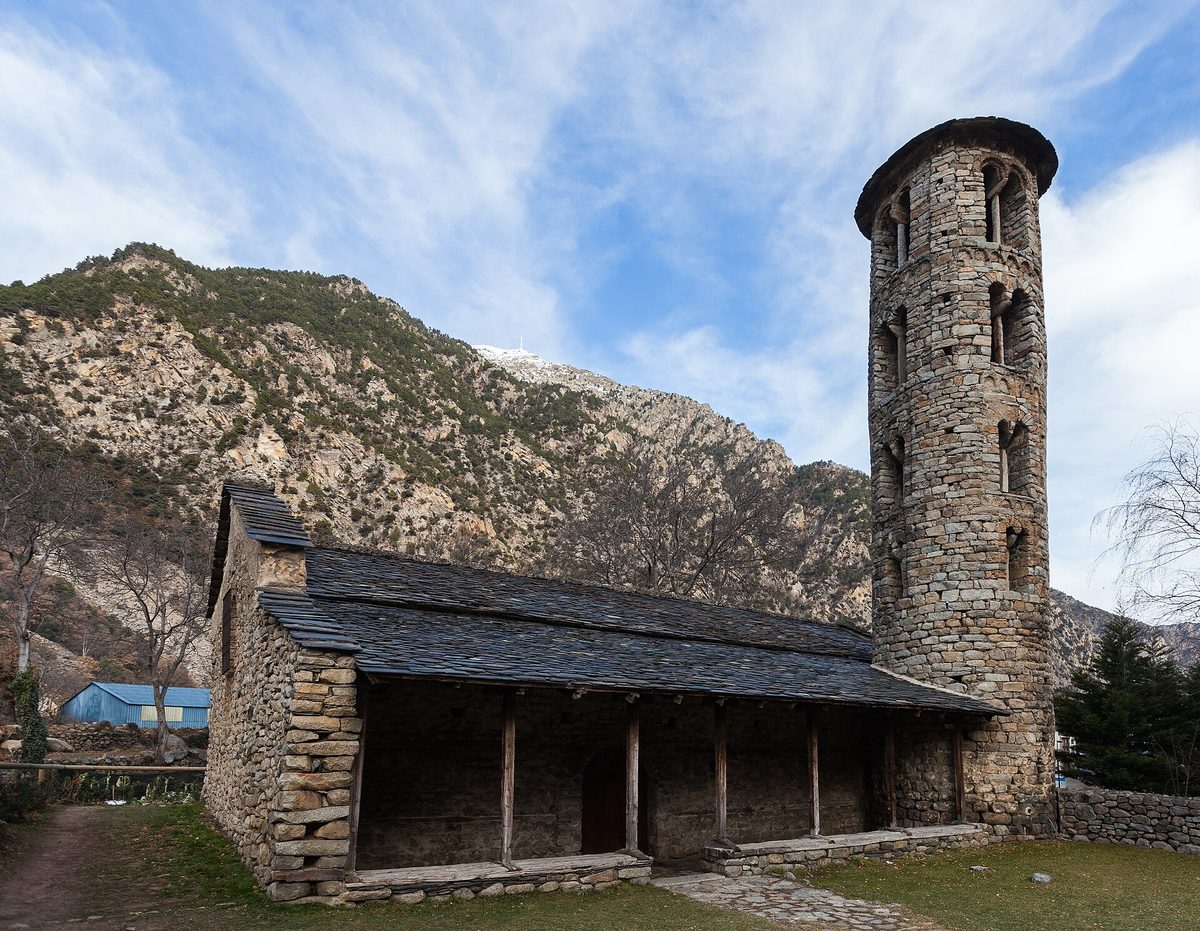
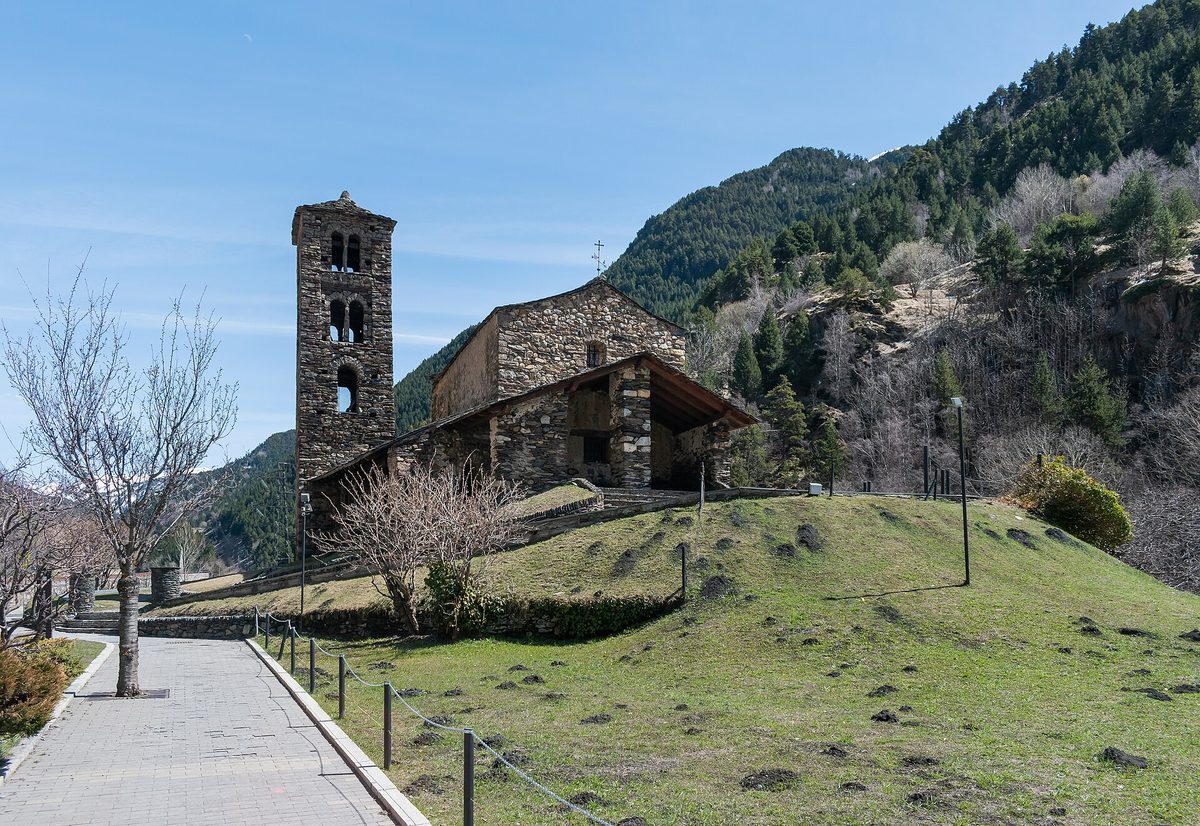
This is the sleeper hit of a non-ski trip. Andorra is dotted with tiny Romanesque and pre-Romanesque churches, many with those distinctive slim stone bell towers, and they’re some of the most atmospheric spaces in the country. Two to seek out: Santa Coloma, just outside Andorra la Vella, which is the oldest church in the country and has an unusual round bell tower nearly 18 metres tall; and Sant Joan de Caselles, near Canillo, an 11th-to-12th-century beauty set alone in a field with the mountains behind it. Some churches keep restricted hours or open only for guided visits, so don’t count on wandering in unannounced. The nearby Espai Columba museum in Santa Coloma uses video-mapping to show off a rediscovered Romanesque mural, which is a genuinely clever bit of storytelling.
The museums worth your time
The Carmen Thyssen Museum in Escaldes-Engordany punches well above the country’s weight, showing rotating works from the Carmen Thyssen-Bornemisza collection — the headline piece over the years has been Gauguin’s Mata Mua. The National Automobile Museum in Encamp is a proper collection of more than eighty historic cars plus stacks of motorbikes and bicycles, tracing motoring from a steam vehicle of the 1880s onward — a solid rainy-day pick, especially with older kids. There’s also the Rossell forge, an ironworking heritage site, and the Areny-Plandolit manor house in Ordino, which shows how a well-off Andorran family once lived.
One correction worth flagging, because you’ll still see it listed everywhere: the old Tobacco Museum in the Reig factory at Sant Julià de Lòria closed its physical doors in 2022 and now exists mainly as a virtual experience. Tobacco was once a pillar of the Andorran economy, so it’s a shame, but don’t drive down expecting to walk through the factory. Check what’s currently open before you plan around it.
Nature, viewpoints and the two big bridges
Andorra is, above all else, mountains — and you don’t need skis to enjoy them. Even without walking far, the drives are spectacular. But two engineered attractions pull the biggest non-ski crowds, and I have to be straight with you about when they run.
The Tibetan Bridge at Canillo is a 600-metre-plus suspension footbridge strung across the Vall del Riu, hanging up to around 150 metres above the ground. It’s one of the longest of its kind anywhere and it is not for the faint of heart — it’s a single metre wide with a see-through grille floor. Here’s the catch: it’s a warm-season attraction, generally open from around June into November and closed through the depths of winter. So if you’re coming for a snow-free winter break, this one probably won’t be running. Check the official bridge site for current dates and book ahead in summer, because slots sell out.
Nearby, the Roc del Quer viewpoint is a cantilevered walkway that juts out over a cliff, with a metal walking-man sculpture perched on the end of the beam. It’s a fantastic photo and a short, easy visit — but again, it’s very much a fair-weather spot and access can be limited or closed when the road up is snowed in. Same rule applies: brilliant in summer and autumn, unreliable in deep winter.
Beyond those, the whole country is a viewpoint. The Tristaina lakes area up at Ordino Arcalís, the Madriu-Perafita-Claror valley (a UNESCO World Heritage site you reach on foot), and dozens of mountain passes reward anyone who just wants to drive, stop, and look. In the warmer months this shades naturally into proper walking country — if that’s your thing, my hiking in Andorra guide covers the trails, and there’s more in the round-up of things to do in Andorra in summer.
Food and drink
Andorran food is mountain food with a strong Catalan accent and a French nudge, and it is exactly what you want after a day outdoors. The classics: trinxat (a cabbage-and-potato hash fried with bacon that tastes far better than it sounds), escudella (a hearty winter stew), grilled meats cooked over wood, lake trout, and cannelloni that owes a lot to Catalonia. Look for a borda — a converted stone farm building turned restaurant — for the most characterful meals, often up a mountain road.
Eat local and you’ll do well; the border-town supermarket cafeterias are functional at best. Portions run large, wine is cheap by Western European standards, and a leisurely long lunch is a completely legitimate Andorran activity in its own right. If food is a priority, I’ve pulled the best dishes and where to find them into a dedicated guide to Andorran food.
Getting around without skis, and what to book (or skip)
A few practical things that make a non-ski trip run smoothly.
Getting around. There’s no airport and no train inside Andorra — you arrive by road, usually a bus or transfer from Barcelona or Toulouse airports (Barcelona is the more common route, roughly a three-hour drive). Once you’re here, a car is genuinely useful for a non-ski trip, because the museums, churches and viewpoints are scattered across the valleys and the public bus network, while cheap and decent along the main valley road, doesn’t reach everything conveniently. In winter, carry the right tyres or chains and be prepared for the high passes to close in bad weather. If you’re staying put in Andorra la Vella and Escaldes-Engordany for spa-and-shopping, you can manage happily on foot and the odd bus.
What to book ahead. Guided snow activities (mushing especially — small groups, they fill up), the Tibetan Bridge in summer, and any Caldea package that includes treatments. Walk-in works for general shopping, most museums, and a basic Caldea session outside peak times.
What to skip. Don’t build a winter itinerary around the Tibetan Bridge or Roc del Quer — they’re usually shut. Don’t assume every “duty-free” price is a bargain. And don’t over-schedule; part of Andorra’s charm is that a spa afternoon plus a long lunch is a perfectly good day. For more of these, see my Andorra travel tips.
What to do by traveller type
Couples. Caldea’s Inúu adults area, a borda dinner, a snowshoe walk at dusk, and a slow morning shopping for perfume. This is honestly one of Europe’s more underrated romantic winter breaks.
Families with kids. Naturland for snow play and the Tobotronc, the Palau de Gel ice rink, a short mushing taster, the Automobile Museum, and Caldea’s family Thermoludic zone. My Andorra with kids guide has the full plan, and there’s plenty in the wider list of Andorra activities.
Culture and history travellers. Casa de la Vall, the Romanesque churches, the Carmen Thyssen, Espai Columba, and a walk into the Madriu valley. Pair it with the history of Andorra for context.
Budget travellers. A surprising amount here is free or nearly so — the churches, the viewpoints, window-shopping, mountain drives. My list of free things to do in Andorra is built for exactly this, and the Andorran villages guide points you to the prettiest, cheapest wanders.
Rainy or bad-weather days. Museums, Caldea, shopping, a long lunch. I keep a dedicated rainy day in Andorra guide for precisely this, plus a set of unusual things to do in Andorra for when you want something odder.
Frequently asked questions
Is Andorra worth visiting if you don’t ski?
Yes, and I’d argue more people should treat it as a non-ski destination. Between Caldea, the low-tax shopping, the Romanesque churches and museums, the food, and the sheer drama of the drives, there’s easily enough for a three- or four-day trip without skis. Summer and autumn are especially rewarding, when the walking and the big viewpoints open up. Skiing is a bonus here, not the whole point.
What can you do in Andorra in winter without skiing?
Plenty. Snowshoeing, dog-sledding, snowmobiling, snow tubing, sledging and igloo-building all run at the resorts and the Naturland park. Off the snow, there’s the Caldea thermal spa, ice skating at the Palau de Gel in Canillo, shopping in Andorra la Vella, and the museums and churches. A snow-free winter break that mixes spa, shopping and culture works well; just know the summer bridges and viewpoints will be closed.
Can you do dog sledding in Andorra?
You can, snow permitting. Mushing experiences run mainly from the Grau Roig and El Tarter sectors of Grandvalira in the coldest months, roughly December to March. You’ll either ride along or, on some sessions, learn to handle the team yourself. It’s a short, pricey novelty rather than a half-day epic, and it books up fast with families, so reserve ahead and check the operator has enough snow before you travel.
Is Caldea worth it?
For most people, yes. It’s the largest thermal spa in southern Europe, the water genuinely feels good after a day outdoors, and the building is a spectacle in itself. Go in the morning to dodge the late-afternoon crush, bring flip-flops and a swim cap, and choose the quieter adults-only Inúu wing if you want calm over splashing. If you dislike busy pool environments, book Inúu or a treatment package rather than the standard Thermoludic session.
Is the Tibetan Bridge open in winter?
Usually not. The Tibetan Bridge at Canillo is a warm-season attraction, generally open from around June into November and closed through the depths of winter, when snow and ice make the high walkway unsafe. The Roc del Quer viewpoint nearby follows a similar pattern and can be cut off when the access road is snowed in. If crossing the bridge is on your list, plan a summer or early-autumn visit and check the official site for current dates.
What is Andorra famous for buying?
Andorra’s low taxes make it a shopping draw, and the best-value categories tend to be perfume and cosmetics, spirits and tobacco, electronics and cameras, watches, and outdoor and ski gear. The main shopping strip runs through Andorra la Vella along the Meritxell avenue, with Pas de la Casa near the French border heavy on supermarkets and alcohol. Do compare prices with home first, and mind your customs allowances crossing back into the EU.
How many days do you need in Andorra without skiing?
Three to four days is a comfortable non-ski trip. That’s enough for a Caldea session, a snowshoe or snow-activity day in winter (or a hike and the big viewpoints in summer), a shopping afternoon, a couple of museums or churches, and a proper borda lunch, without feeling rushed. Two days works if you’re focused on spa and shopping. A week is easy if you like slow mornings and a lot of mountain driving.
Is Andorra good for a non-ski family holiday?
It’s a strong choice. Naturland is built for family snow play and has the long Tobotronc toboggan, the Palau de Gel offers ice skating year-round, Caldea’s Thermoludic and Likids zones welcome children, and short mushing or tubing sessions are a hit. In summer, add the adventure parks, easy hikes and the big bridges. It’s compact, safe and easy to get around, which parents appreciate.
Related guides
Ready to plan the rest of your trip? Start with the pillar overview of things to do in Andorra, then dig into the specifics: Caldea, shopping in Andorra, Andorran food, and the Andorran villages worth a detour. For seasonal ideas see things to do in Andorra in summer and the rainy day guide, and if you’re heading in warm weather, the Roc del Quer viewpoint pairs perfectly with a wider day out.
Photo credits
All photographs are from Wikimedia Commons under their stated licences, with thanks to the photographers: