Andorra sells itself on skiing in winter and hiking in summer, so it’s a fair question whether there’s any canyoning here at all, and whether a first-timer can simply book a slot and go. There is, though less of it than all those steep valleys might suggest, and the details matter: which gorge, which side of the border, what age, and what the sky is doing that afternoon.
The guided canyoning Andorra offers inside its borders centres on one easy gorge, the Segudet ravine in Ordino, done as a half-day of about three hours from age seven. The bigger, jumpier canyons the local operator runs are over the border in Alt Urgell, Spain, for over-14s only. Book a guide, go in summer and watch the storms.
The full line-up of adventure activities in Andorra, from bike parks to iron ways, has its own guide; canyoning is one strand of that summer menu. This page sticks to the canyons themselves: what a guided descent involves, how levels and fitness work, what to wear, the weather, going with children and the questions to ask before you pay. Details below were checked in November 2026 against Experiència en Muntanya’s own pages and Andorra’s tourist board.
Canyoning in Andorra at a glance
| Question | Short answer |
|---|---|
| Where in Andorra | The Segudet ravine, near the hamlet of Segudet in the parish of Ordino |
| Where else | Boixols and Lavansa canyons, which the operator places in Alt Urgell, Spain: a full-day trip across the border |
| Who guides it | Experiència en Muntanya, based in Ordino, which describes itself as the only commercial canyoning operator in Andorra |
| Difficulty | Segudet is rated Easy by the tourist board: 400 m long with a 75 m drop. The Spanish canyons are very aquatic, with big jumps and 20 m abseils |
| Time needed | About 3 hours for Segudet; 3-4 hours in the water and a whole day out for the Spanish canyons |
| Ages | From 7 for Segudet and 14 and over for Boixols and Lavansa, per the operator; confirm when you book |
| Cost | The operator’s booking table lists €52 for the Segudet outing and €390 for the Spanish canyons (checked November 2026); ask what each figure covers |
| Group size | Up to 8 people at Segudet, up to 6 on the Spanish trips |
| Start time | The booking table lists a 15:00 start for Segudet |
| Best season | Summer, and only when the weather and water levels allow: the operator sets the dates |
| Do you need to book? | Yes. This is a guided activity with small groups, not a turn-up attraction |
How much canyoning Andorra really has, and where it is
Be clear-eyed about scale. Andorra is a small, steep country with plenty of fast water, but on the commercial side the canyoning comes down to one gorge inside the border plus trips into Spain. If you’re expecting a menu of a dozen descents within a short drive of your hotel, adjust now and you won’t be disappointed later.
That isn’t a reason to skip it. A short, well-run beginner canyon is the right first taste for most people, and the bigger stuff is only a border crossing away. Think of Andorra as a good base for canyoning in the Pyrenees rather than a canyoning destination in its own right.
Segudet, Ordino: the beginner’s canyon
Easy, about 3 hours, from age 7. The Segudet ravine sits above the village of Ordino, near the hamlet that gives it its name. Andorra’s tourist board rates it Easy and gives it as 400 m long with 75 m of descent. Experiència en Muntanya describes it as a canyon with continuous flowing water, abseils of no more than 10 m and a small natural slide, suitable for adults and children from seven.
The walk in is part of the outing. The tourist board’s route notes describe parking near a roundabout on the Segudet road out of Ordino, then following the Segudet path up the stream before turning off along a wide track with red and white waymarks that crosses private property. The exit climbs out on the right-hand side, past a wooden walkway, and rejoins the same track back to the car park. Your guide handles the navigation; it’s worth knowing only so you understand that “three hours” includes walking in a wetsuit, not three hours of sliding.
the right choice for a first descent, families with children aged seven and up, and anyone who wants the experience without committing a whole day. Experienced canyoners will find it short.
Boixols and Lavansa, Alt Urgell (Spain): the big-jump days
Very aquatic, 3-4 hours, 14 and over. The same operator runs two harder canyons that it places in Alt Urgell, the Spanish district south of the border: Boixols, and Lavansa in the municipality of Ribera d’Urgellet. Its description is short and to the point: abundant flowing water, very aquatic, big jumps and abseils of 20 m. These are whole-day outings with a maximum group of six.
Say it plainly, because some listings blur it: these canyons are in Spain, not Andorra. You leave the country, cross a customs border and spend the day in Catalonia. That’s no hardship, but it changes the logistics (documents, transport, timing) and it should change how you read any “canyoning in Andorra” advert that shows a 20 m abseil.
worth it for confident swimmers and teenagers who’ve done a beginner canyon and want more. Not a sensible first descent.
What actually happens on a guided descent?
Canyoning means travelling down a river gorge by whatever the gorge demands: walking in the stream, scrambling over boulders, sliding down smooth rock chutes, abseiling down waterfalls on a rope and, where the pool below is deep enough, jumping. You go downstream the whole way, and once you’re in, the usual way out is the bottom.
A typical guided half-day runs roughly like this.
Meeting, kit and briefing
You meet the guide, sign the paperwork and get kitted out. On a guided trip that normally means a wetsuit, helmet and harness, though you should confirm with the operator exactly what’s supplied and what you bring. The guide checks fit (a baggy wetsuit is a cold wetsuit), explains the signals they’ll use over the noise of the water and shows you how to sit in the harness and how to hold the rope.
The approach
Then you walk. At Segudet that’s up the stream path, carrying your kit or wearing it. It’s the least glamorous part of the day and often the warmest, so pace yourself and drink water before you start.
In the canyon
Once you enter the water, the rhythm is short sections of walking and wading broken by obstacles. On an abseil, the guide sets the rope and controls it from the top or the bottom, and you lean back and walk down the rock with the water running past you. It feels much steeper than it looks from below and much easier than it looks from above. Slides are exactly what they sound like: sit, keep your arms in, and let the rock do the work.
Jumps are where a good guide earns their fee. Pools change depth with the flow and with what the last storm washed in, so the guide checks each one before anyone goes. If you don’t want to jump, say so early; ask when you book whether the canyon has a way around each jump, because the answer depends on the canyon and the day.
The exit
At the bottom you climb out and walk back. You’ll be wet, tired and probably grinning, which is the point. Have dry clothes and a towel waiting in the car.
book the slot in advance; allow about 3 hours for Segudet plus time to get to Ordino and change; the operator is based in Ordino village; best for active first-timers and families with children aged seven and up.
How hard is it? Levels, fitness and swimming
Canyons are graded on how vertical they are, how much water they carry and how committing they are (how easily you can get out partway). You don’t need to learn the scale. What matters is the plain-language description, and the two levels on offer here are clearly different.
Beginner level: Segudet
Segudet is the kind of canyon designed for people who have never worn a harness. The abseils top out at 10 m, the slide is small, and the tourist board grades it Easy. If you can walk for a few hours on uneven ground, step into cold water without panicking and follow instructions, you have what it takes. You don’t need upper-body strength for the abseils: your legs and the rope do the work, and the guide controls your speed.
The one warning the tourist board gives deserves attention: an easy canyon presents difficulties if there is a strong flow. Same rock, more water, different day. That’s a reason to trust the guide’s call on the morning rather than a reason to stay away.
Advanced level: the Spanish canyons
Twenty-metre abseils and big jumps are a different proposition. You’ll be in moving water for longer, you’ll need to be comfortable going under and coming up in a pool, and a full day of it is tiring. Most people who enjoy these canyons have done at least one beginner descent first. Teenagers who are strong swimmers usually love them; anxious adults often don’t.
Swimming, fear of heights and health
Ask the operator directly whether you need to be able to swim, and be honest about how well you swim. The wetsuit adds buoyancy, but buoyancy isn’t the same as being comfortable in deep, moving water.
A fear of heights is less of a barrier than people expect, because abseiling is controlled and you face the rock. Jumps are the bigger test, which is why it matters whether they’re optional. If you have a heart condition, back or knee problems, are pregnant, or have recent injuries, mention them when you book: guides would rather hear it on the phone than at the top of a waterfall.
Segudet suits most reasonably active adults and children from seven. The Spanish canyons suit people who’ve already done one and liked it.
What to wear and what to bring
The operator supplies the technical gear on a guided trip; confirm the exact list when you book, along with anything you need to bring yourself. These are the things that make the difference between a good afternoon and a miserable one.
- Shoes: closed shoes with a grippy sole that you don’t mind soaking. Trainers you’re about to retire are ideal. Flip-flops and sandals are not.
- Swimwear: wear it under your clothes so you can change straight into the wetsuit.
- Thermal layer: if you feel the cold, ask whether a thin synthetic top under the wetsuit is allowed. Cotton is a bad idea.
- Glasses and contacts: a strap for glasses, or daily contact lenses you can afford to lose.
- Jewellery and watches: leave them in the car. Rings and rock don’t mix.
- Towel and dry clothes: waiting at the end, with a warm top. You’ll want it even in July.
- Water and a snack: for the approach and afterwards. Ask whether the guide carries a waterproof drum for small items.
- Documents: for the Spanish canyons, carry your passport or national ID card for the border crossing.
Phones are the eternal question. Unless you have a properly waterproof case and the guide is happy with it, leave yours behind. Some guides take photos; ask.
For the rest of a summer suitcase (layers for cool mountain evenings, a rain jacket, sun cream at altitude), see the advice on what to pack for Andorra.
Weather, water levels and the summer storm problem
If there’s one section to read twice, this is it. Canyoning is safe when it’s done with judgement, and most of that judgement is about water and weather.
Why the flow matters
The amount of water in a gorge sets the difficulty more than anything else. The tourist board’s own note on Segudet says it plainly: easy canyon, difficulties if the flow is strong. More water means stronger currents at the foot of each abseil, more force on your legs, more noise and less margin for error. Early in the summer, snowmelt can keep mountain streams high and cold; later, a dry spell can leave some pools too shallow to jump into. Either way, the canyon you book is not quite the canyon you get, and that’s normal.
Storms at the head of the canyon
The tourist board also warns about storms that form at the head of the canyon. This is the classic canyoning danger. Rain falling on the slopes above the gorge can send a surge of water down it, sometimes when the sky over the canyon itself still looks reasonable. In a narrow ravine, there’s nowhere for that water to go except where you’re standing.
Mountain thunderstorms in summer often build through the afternoon. Segudet’s listed start time is 15:00, so it’s reasonable to ask the operator how it watches the forecast for afternoon trips and at what point it moves or cancels one. A good answer sounds specific and slightly cautious. A shrug is not a good answer.
What you can do
- Check the forecast yourself on Andorra’s national weather service the day before and the morning of your trip.
- Accept the guide’s decision if they move your trip, shorten it or cancel. That’s the system working.
- Keep a back-up plan for a cancelled afternoon: the ideas for an Andorra rainy day are written for exactly that.
- Know the numbers: 112 is the general emergency number, and Andorra’s tourist board says mountain rescue is led by the Andorran Fire Brigade. The full list is on visitandorra’s emergency information page.
- Check your travel insurance covers canyoning and mountain rescue before you go, and ask the operator what insurance, if any, is included.
don’t try to beat the weather. If storms are forecast for the afternoon you’ve booked, rebook rather than argue.
Can children go canyoning in Andorra?
Yes, from the age of seven at Segudet, according to the operator. One reseller lists a much higher minimum for the same canyon, so confirm the age (and any minimum height or weight the operator sets for harness and wetsuit fit) directly with Experiència en Muntanya before you promise anything to a seven-year-old.
Under 7
Not canyoning, then. Wet feet in a mountain stream on an easy walk will do at first; the walks in the gentle Sorteny Valley above Ordino follow water for much of the way. For thrills that don’t involve ropes, the summer adventure parks are better matched to small children: Mon(t) Magic at Canillo is built around family activities.
Ages 7 to 13
Segudet is the one to book. The abseils are modest, the slide is the highlight for most kids, and three hours is about right for a child’s attention and body heat. A few honest tips: children get cold faster than adults, so ask about wetsuit sizes; feed them before you start; and don’t push a child who freezes at the top of an abseil. Guides are good at coaxing, and better at knowing when to stop.
Ages 14 and over
Teenagers who’ve enjoyed a beginner canyon are the natural audience for Boixols and Lavansa, which the operator restricts to 14 and over. Strong swimmers will love the jumps. Remember the day is long and the canyons are in Spain, so documents come too.
For the rest of a family summer, from adventure parks to easy lakes, see the guide to Andorra with kids.
Segudet from 7, Spanish canyons from 14 (operator’s figures, confirm when booking); bring a full change of warm clothes per child; best for families who already like swimming and scrambling.
Canyoning or something else? How it compares
Andorra’s summer activities overlap more than the brochures admit, and canyoning isn’t automatically the best use of a day. Here’s how it stacks up against the other adventure options covered on this site.
| Activity | How it compares with canyoning |
|---|---|
| Via ferrata | Dry, vertical and exposed, with fixed cables; more about heights, less about water. The official 2025 visitor guide lists 18 routes |
| Naturland | Adventure park with set prices and age bands: Aventura €35 adult (14+) and €30 junior (7-13) in advance, checked November 2026 |
| Mon(t) Magic, Canillo | Family adventure park at a ski base; easier logistics, less wilderness |
| Downhill mountain biking | Lift-served thrills with a steep learning curve; better for confident riders than nervous ones |
| Hiking | Free, flexible and possible most summer days; less adrenaline |
| Zip lines at Segudet | Experiència en Muntanya also runs a zip-line park in the Segudet ravine, a short walk from the centre of Ordino and a dry way to see the same gorge |
Canyoning versus via ferrata
These are the two that people weigh against each other most, and they test different nerves. A via ferrata in Andorra is a climb on fixed cables and rungs, clipped in all the way, with exposure as the main event: the Roc del Quer route above Canillo, for example, is 500 m long with 350 m of climbing. Canyoning goes down rather than up, with water instead of air below you, and you’re in a group with a guide setting every rope. If heights bother you but water doesn’t, canyon. If cold water bothers you but heights don’t, climb. If neither bothers you, Experiència en Muntanya runs both, and its Summer Pack takes 5% off two activities and 10% off three (checked November 2026).
Canyoning versus the adventure parks
Parks are predictable: fixed prices, fixed hours, no weather lottery beyond a passing storm. Naturland in Sant Julià de Lòria, with its 5.3 km alpine slide, is the obvious comparison. A canyon is the opposite: wild, variable, and gone the moment the weather turns. For a family with mixed ages, a park day plus a Segudet afternoon for the older ones is a sensible split.
Canyoning versus wheels
The Vallnord bike park in La Massana and the big road climbs covered in cycling in Andorra are for people who already ride. Canyoning has the lower bar to entry: nobody arrives an expert, and the guide is doing the technical work.
canyoning is a memorable choice for first-timers who like water. It’s also the least predictable. Book it early in your stay so a weather cancellation can be moved.
How to book, and the questions to ask first
Booking is straightforward: go to the operator. Experiència en Muntanya is based at the Casa de la Muntanya on Carrer Major in Ordino and takes bookings for its canyoning trips through its own canyoning page, which lists the canyons, ages, group sizes and the current booking table. You can also phone on +376 337770. The tourist board’s Segudet canyon page carries the route details and recommends going with a professional guide.
Third-party activity sites also list “canyoning in Andorra” trips. Read them carefully: some of the descents they sell under that name run in the Spanish Pyrenees, and resellers’ ages, prices and canyon names don’t always match the operator’s own. When in doubt, ask the operator who’ll actually run your trip and where.
Questions worth asking before you pay
- Is the price per person or per group? The operator’s booking table lists €52 for Segudet and €390 for the Spanish canyons. Get the basis and the total in writing.
- What’s included? Wetsuit, helmet, harness, socks or booties, photos, insurance.
- Where do we meet, and how do we get to the Spanish canyons? Ask whether transport is included or whether you drive.
- What’s the minimum age, height or weight? And for adults, any upper weight limit for the kit.
- Do we need to swim, and can we skip the jumps?
- What happens if the weather turns? When the decision is made, and whether you get a new date or a refund.
- Who is the guide, and what’s their qualification? A good operator answers without hesitating.
- Which languages does the guide speak? Useful for understanding briefings over the noise of water.
- Which dates are you running? The operator sets the season each summer around the weather.
Getting there
Segudet trips start from Ordino, so a car or the bus gets you there: the national bus network’s L6 (Andorra la Vella, Ordino and La Cortinada) and L7 (Andorra la Vella, La Massana and Ordino) both serve the village. The guide to getting around Andorra covers tickets and timetables, and the Ordino village guide covers where to eat and sleep if you’d rather wake up near the canyon.
For the Spanish canyons, sort transport with the operator, and read up on the Andorra border crossing before you go. Andorra is outside the EU’s Schengen area, so carry the right documents in both directions; the guide to passports and ID for Andorra has the detail.
book directly with the operator; Segudet listed at 15:00 and €52 (checked November 2026, confirm the basis); meet in Ordino; allow half a day; best for anyone over seven who’s happy in cold water.
When to go, and when to skip it
Canyoning in Andorra is a summer activity. The operator lists it under its summer programme and sets its dates each year around snow, flow and weather, so check its site or phone for the current season rather than relying on a fixed month. If you’re planning a trip around it, slot it into a broader Andorra summer itinerary and leave a spare afternoon in case the first booking is moved.
It pairs naturally with a lazy evening: once you’ve thawed out, the warm lagoons at Caldea in Escaldes-Engordany are the obvious reward for cold legs.
Skip it if
- Storms are forecast for your slot. Rebook.
- You hate cold water. Mountain streams are cold, wetsuit or not. Pick the via ferrata instead.
- You want big jumps and only have a half-day. Segudet won’t scratch that itch; the Spanish canyons need a full day.
- You’re travelling outside summer. The operator runs canyoning as a summer activity; in winter, the snow is the main event.
for most visitors, one guided half-day at Segudet is the right amount of canyoning. It’s a small canyon, and three hours of sliding and abseiling down a cold Pyrenean stream is one of the better ways to spend a summer afternoon in Ordino. If it hooks you, the Spanish canyons are there for next time.
Fancy seeing the gorges from the other side? Our guide to paragliding and helicopter flights over Andorra explains where tandem flights near Andorra actually launch, and what Heliand’s site lists for a scenic helicopter flight: €360 for 10 minutes, for up to five passengers (checked November 2026).
Frequently asked questions
Is there canyoning in Andorra?
Yes. The guided option inside the country is the Segudet ravine in Ordino, an easy beginner canyon of about three hours run by Experiència en Muntanya, which describes itself as the only commercial canyoning operator in Andorra. The same company runs harder, full-day canyons at Boixols and Lavansa, which it places in Alt Urgell, just over the border in Spain.
Is canyoning safe for beginners?
With a qualified guide on a beginner canyon, in the right conditions, it’s a well-managed activity. Segudet is graded Easy, with abseils no higher than 10 m. The main risks are strong flow and storms forming upstream, which the tourist board flags for this canyon. Book a guide, tell them about any health issues, and accept their call on the weather.
What age can children go canyoning in Andorra?
Experiència en Muntanya lists Segudet as suitable for children from seven and restricts its Spanish canyons, Boixols and Lavansa, to 14 and over. Resellers sometimes quote different ages for the same trip, so confirm the minimum age, and any height or weight limit for the kit, directly with the operator when you book.
How much does canyoning cost in Andorra?
The operator’s booking table lists €52 for the Segudet outing and €390 for its Spanish canyons, checked November 2026. Ask whether each figure is per person or per group and what it includes (kit, insurance, transport) before you pay. Its Summer Pack takes 5% off two activities and 10% off three.
Do I need to be able to swim to go canyoning?
Ask the operator, and answer honestly about your swimming. The wetsuit helps you float, but some sections involve deep or moving water, and jumps land in pools. Ask specifically about Segudet, and be aware that on the very aquatic Spanish canyons being at ease in the water matters far more.
What should I wear for canyoning?
Swimwear under your clothes, closed shoes with grip that can get soaked, and nothing you’d mind losing. Leave jewellery and watches in the car, strap your glasses, and keep a towel, dry clothes and a warm top waiting for the end. The operator supplies the technical kit; confirm exactly what’s included when you book.
When is the canyoning season in Andorra?
Summer. Experiència en Muntanya runs canyoning as part of its summer programme and sets dates around snowmelt, water levels and the weather, so check its website or phone +376 337770 for the current season. Early summer can bring high, cold water; storms can cancel any afternoon.
Can I go canyoning in Andorra without a guide?
Only if you’re an experienced, properly equipped canyoner who can read flow and weather. Andorra’s tourist board publishes the Segudet route but recommends going with a professional guide, and for anyone new to the sport that’s the only sensible way to do it.
Planning more of a summer week? Pair a canyon with the routes in the guide to hiking in Andorra, browse more things to do in Andorra in summer, or head back to the full list of Andorra’s adventure activities.
Photo credits
All photographs are from Wikimedia Commons under their stated licences, with thanks to the photographers:
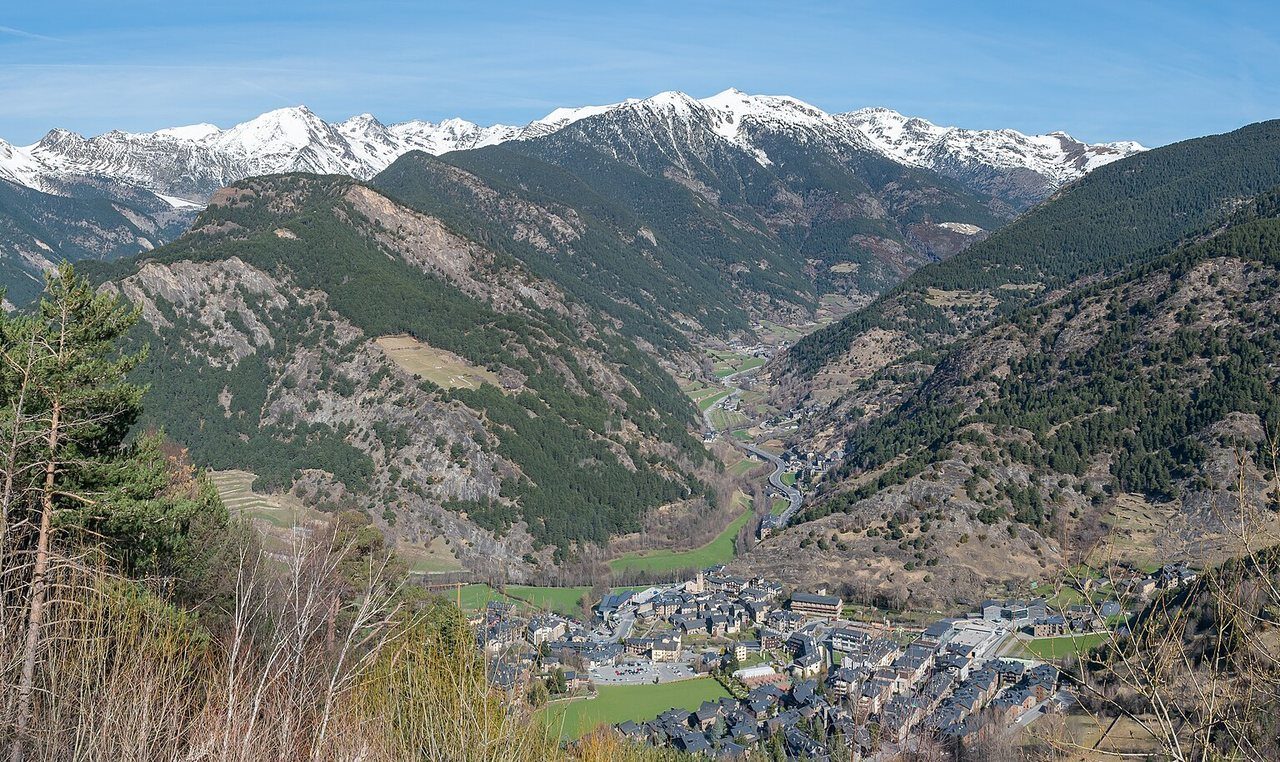
- The Valira del Nord valley from the Ordino lookout: Krzysztof Golik, CC BY-SA 4.0, via Wikimedia Commons — source
- The Riu de Sorteny in Ordino: Víctor, CC BY-SA 2.0, via Wikimedia Commons — source
- White water on the Valira river: MARIA ROSA FERRE ✿, CC BY-SA 2.0, via Wikimedia Commons — source
- The Riu de Rialb at la Rabassa: AndyScott, CC BY-SA 4.0, via Wikimedia Commons — source
- The Riu del Pla de l’Estany above Arinsal: Gertjan R., CC BY-SA 3.0, via Wikimedia Commons — source
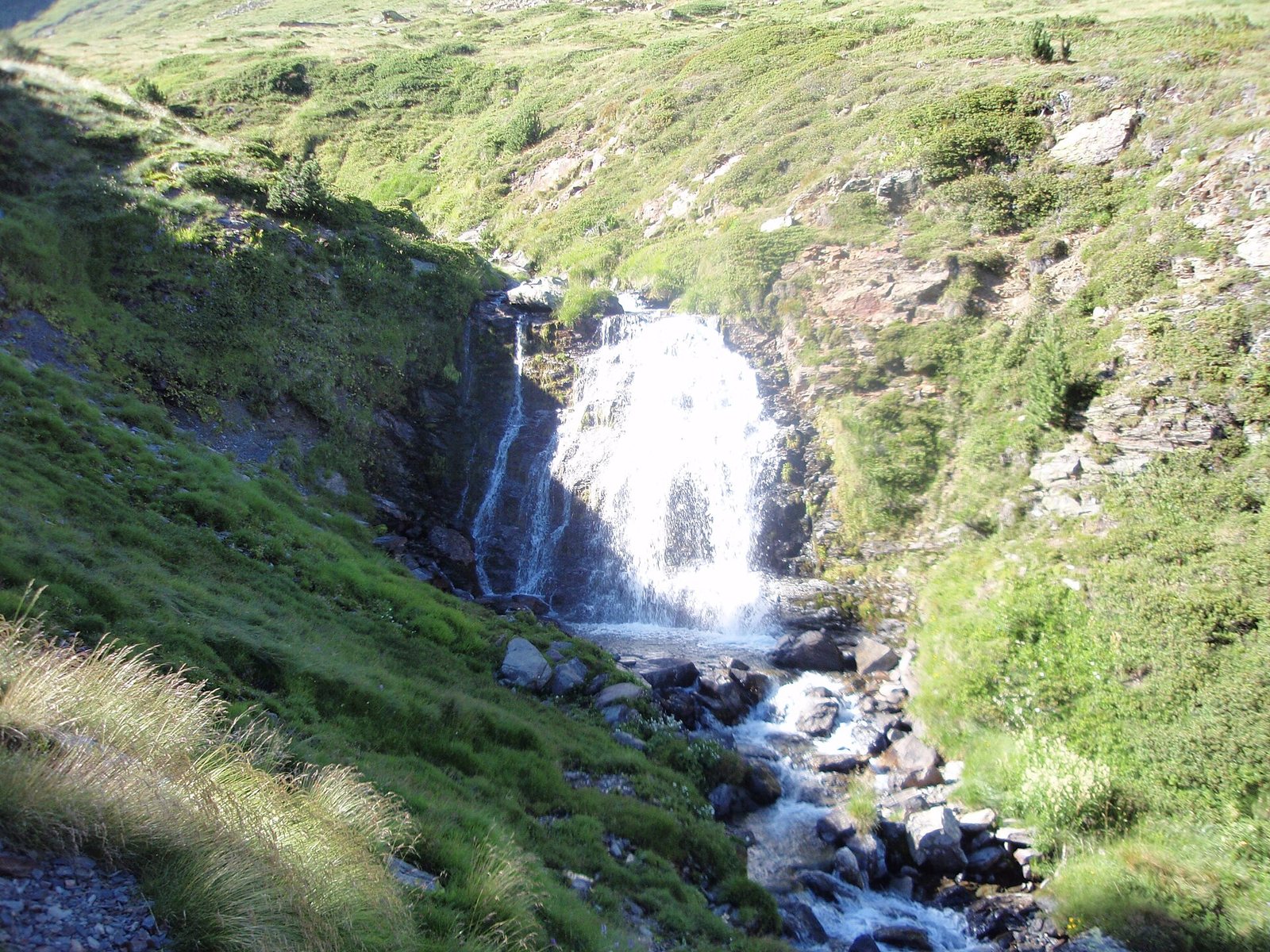
- A waterfall near Ransol, Canillo: Itus, CC BY-SA 3.0, via Wikimedia Commons — source