
There’s a moment on the drive into Andorra — different depending on which way you come, but always there — when the ordinary road becomes a mountain road, and you realise the journey is going to be part of the holiday whether you planned it or not. Done right, arriving by car is my favourite way into the country: you get the duty-free run, the freedom to roam, and some genuinely spectacular tarmac.
Driving to Andorra means committing to one of two mountain doors: the gentle Spanish approach up from La Seu d’Urgell, or the dramatic French climb over the border at Pas de la Casa. From Barcelona it’s about two-and-a-half to three hours; from Toulouse a little over two. This guide covers both routes, the tolls and tunnels, the strict winter rules, fuel and charging, and the border — everything you need to arrive relaxed rather than white-knuckled. It’s for anyone bringing their own car or a hire car up into the mountains.
Last updated: July 2026. Tolls, winter rules and fuel prices below reference 2025/26 and change — confirm on the official tunnel and mobility sites (mobilitat.ad) before you travel, especially in winter.
| Approach | Via | Character | Best for |
|---|---|---|---|
| Spanish door (Sant Julià) | N-145 from La Seu d’Urgell | Low, gentle, weather-reliable | Winter, families, the default |
| French door (Pas de la Casa) | N-22 over/under the Envalira | High, scenic, weather-exposed | Summer drives, eastern resorts |
| From Barcelona | C-16 (Cadí Tunnel) or free C-14 | ~2.5–3 hrs | Most international drivers |
| From Toulouse | N-20/N-22 via Ax-les-Thermes | ~2–2.5 hrs | French-side arrivals |
Driving to Andorra: the two doors
Here’s the first thing to understand: Andorra has exactly two road entrances, and they have opposite personalities. The Spanish door comes up from La Seu d’Urgell in Catalonia on the N-145, crossing the border at the Riu Runer into the southern town of Sant Julià de Lòria. It’s low, gentle, rarely troubled by weather, and toll-free at the actual frontier — the sensible choice nine times out of ten, and the one I’d always take with a car full of family in winter.
The French door comes over the top from Ax-les-Thermes on the N-22, entering at Pas de la Casa at 2,050 metres. It’s magnificent in good weather and the more thrilling drive, but it’s high, exposed, and the first to close or queue in a storm. Which door you use depends mostly on where you’re starting and the season. Both funnel you into the same Y-shaped valley system, and once you’re in, distances are tiny — the whole country is about forty minutes end to end. For the bird’s-eye view of every route in, including buses and trains, see my guide to how to get to Andorra.
The Spanish door: up from La Seu d’Urgell
This is the workhorse approach, and the one most drivers should default to. From Barcelona you have two ways to reach La Seu d’Urgell. The fast option is the C-16 motorway through the Cadí Tunnel — a five-kilometre bore under the mountains with a toll of around €15 that buys you the quickest, most weather-proof route, roughly 195 km and about two-and-a-half hours from the city. The thrifty option is the toll-free C-14/N-260 by way of Ponts, which is slower and twistier but free and prettier, adding maybe half an hour. Both merge onto the N-145 for the final, gentle climb from La Seu to the border.
Why do I favour this door? Because it stays low — you never get near the 2,000-metre passes — so it’s far less weather-dependent, which matters enormously from November to spring. It’s the route the buses take, the route the locals take, and the route I’d choose in any doubt. From anywhere in western or central Spain, including Madrid, you approach via Lleida and join the same gentle final leg.
The French door: over the Envalira at Pas de la Casa
The northern approach from France is the one that makes drivers grin — and occasionally grip the wheel. From Toulouse you head south on the A61/A66 and N-20 through the Ariège, past Foix and up through Ax-les-Thermes, then climb the N-22 to the border at Pas de la Casa. There you face the one real decision of the drive.
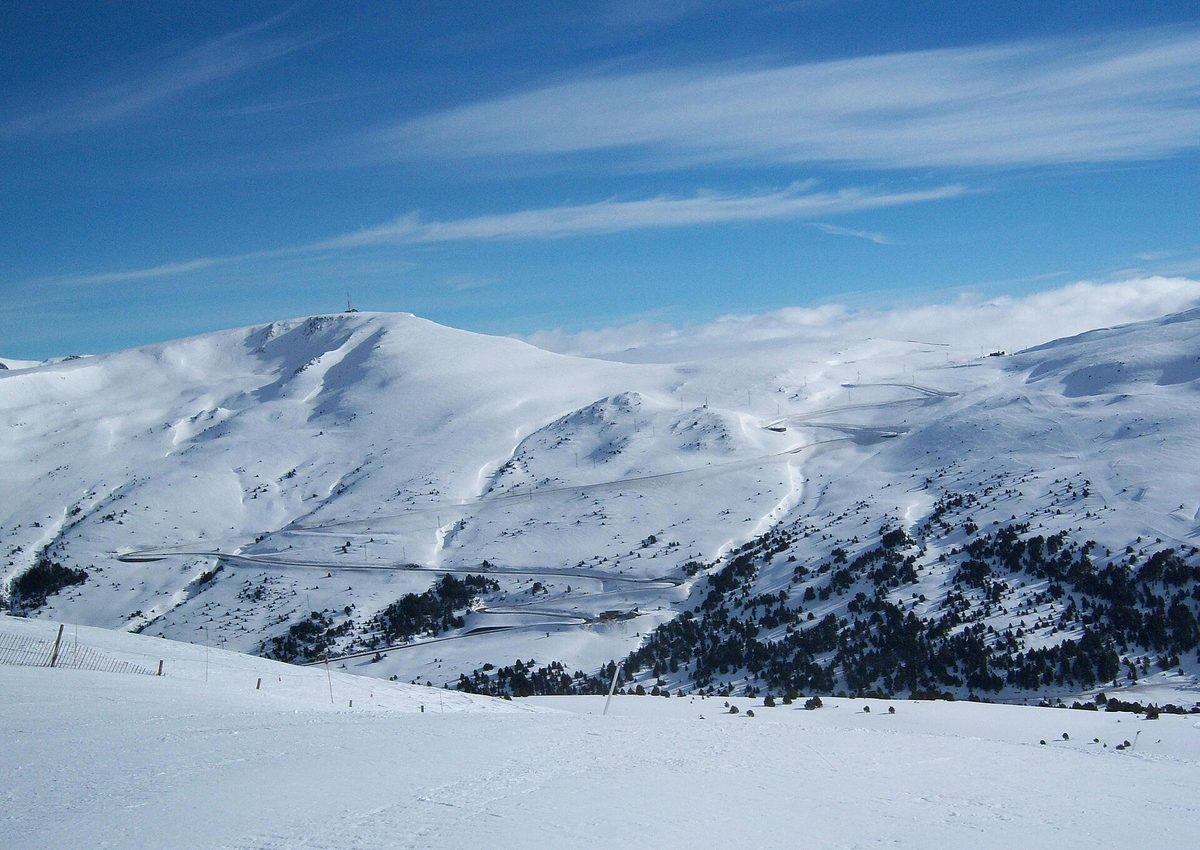
You can go over the top via the Port d’Envalira — at 2,408 metres the highest paved mountain pass in the Pyrenees, a glorious sequence of hairpins with the whole country unrolling below on a clear day. Or you can take the Envalira Tunnel, a 2.9-kilometre bore beneath the summit with a toll in the region of €8 each way (rates rose slightly for 2026, so check current fares), which skips the highest hairpins and most of the weather risk. My rule is simple: in summer and good weather, take the pass for the views; in winter, bad weather, or after dark, take the tunnel without a second thought. It’s warm, dry and open when the top is a whiteout. From the border you descend through Grandvalira ski country — passing Pas de la Casa itself — and follow the valley down to the capital.
Drive times from major cities
Rough door-to-door driving times to Andorra la Vella in clear conditions, so you can plan your day:
| From | Distance | Drive time | Door |
|---|---|---|---|
| Barcelona | ~195 km | ~2.5–3 hrs | Spanish (Cadí or C-14) |
| Toulouse | ~185 km | ~2–2.5 hrs | French (Envalira) |
| Girona | ~230 km | ~3 hrs | Spanish |
| Lleida | ~150 km | ~2 hrs | Spanish |
| Madrid | ~610 km | ~6–6.5 hrs | Spanish (via Lleida) |
| Perpignan | ~170 km | ~2.5 hrs | French |
Add a comfortable margin in winter and on peak weekends, when snow, chain checks and border queues can all stretch these figures considerably beyond the satnav estimate. Note there’s no fast motorway all the way in from either side — the final hour is always mountain road — so don’t trust an optimistic satnav estimate that assumes open tarmac.
The winter rulebook: it’s the law, not advice
This is the section to read twice, because getting it wrong ruins a trip. From 1 November to 15 May, Andorra and the access roads on both sides legally require winter equipment when conditions demand it: either winter tyres marked with the three-peaks-and-snowflake (3PMSF) symbol, or snow chains carried and fitted when the road is snow- or ice-covered. This isn’t a guideline — police check during snow episodes, and driving without the required equipment in wintry conditions carries a stiff fine (reported in the hundreds of euros) on top of the very real risk of being stranded or turned back.
A few practical points. If you’re hiring a car in Barcelona or Toulouse for a winter trip, explicitly ask the rental desk to fit winter tyres or supply chains — some budget outfits don’t by default, and “I didn’t know” won’t help you at a snowy checkpoint. Practise fitting chains once in the dry before you need them in a blizzard on a hard shoulder. And remember the geography: the high French door closes first and queues first in a storm, so if the forecast is grim, favour the low Spanish side or the Envalira Tunnel. Always check live road status on Andorra’s official mobility service, mobilitat.ad, which shows webcams, closures and chain requirements before you commit to a climb.
What the two drives actually look like
The character of your arrival depends entirely on the door. The Spanish approach is the handsome, steady one: motorway and fast dual carriageway give way to the broad Segre valley around La Seu d’Urgell, then a gentle, green climb to the Riu Runer border. It rarely feels like hard work, which is exactly why it’s the winter default. The French approach is the theatrical one: you leave the pink-brick flatlands around Toulouse, thread into the wooded Ariège past cliff-top Foix and the spa town of Ax-les-Thermes, and then climb, and climb, into bare high country until you crest the border with the whole principality laid out below. On the Port d’Envalira on a blue day it’s genuinely one of the finest drives in Europe; in cloud or snow it’s a serious mountain road that demands respect and, often, the tunnel instead. Knowing which experience you’re signing up for — and matching it to the weather — is half the art of driving here.
Tolls, tunnels and what the drive costs
Driving is cheap by the time you split it between a carful, but know the line items. Coming from Barcelona, the Cadí Tunnel toll is around €15 (avoidable via the free C-14 if you’d rather trade time for money). Inside the country, the Envalira Tunnel costs roughly €8 each way if you use it. Fuel is the happy surprise — noticeably cheaper in Andorra than in France or Spain thanks to low taxes — so many drivers deliberately arrive with the tank low and fill up over the border. Beyond that it’s just fuel and your time. Compared with two or more bus fares, a car quickly wins on cost for families and groups, though for one or two people the coach is usually cheaper, as I discuss in the Andorra direct bus guide.
Fuel, EV charging and the duty-free run
Two things make Andorra unusual for drivers. First, that cheap fuel: it’s one of the genuine duty-free bargains, so topping up here is a strategy, not negligence — and the border-adjacent superstores let you combine it with a duty-free shop, covered in shopping in Andorra. Second, electric vehicles: charging infrastructure has grown fast, with points in the capital’s car parks and at a good share of hotels, but the mountain climbs eat range, so arrive with comfortable margin and confirm your hotel’s charger before relying on it. Don’t plan to arrive on 5% battery after the Envalira — the altitude gain is brutal on range, and chargers thin out on the high approaches.
The border: passports and queues
Crossing into Andorra feels casual — often a wave-through — but it’s a real international frontier, because the country isn’t in the EU or Schengen. Carry your passport even coming from Spain or France; a driving licence is not a travel document, as a queue of embarrassed day-trippers discovers weekly. The border earns its reputation on the way out, when customs officers enforce duty-free allowances on the convoys heading home. Queues peak on Sunday evenings and the afternoons of shopping weekends, so time your exit off-peak — before mid-afternoon or after nine in the evening — to turn an hour’s crawl into a wave-through. The full detail is in my guide to the Andorra border.
Driving within Andorra, and parking
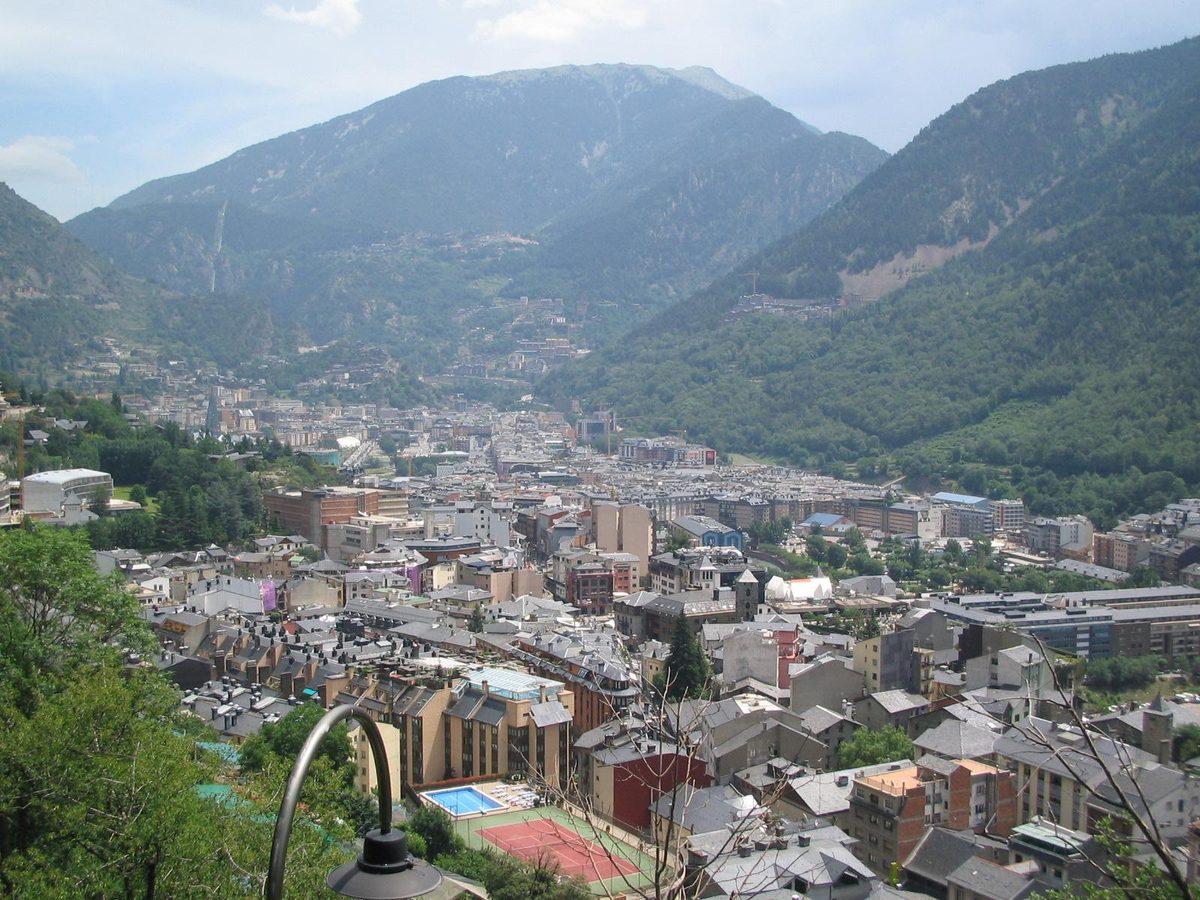
Here’s the good news once you’re in: internal distances collapse. The country is one Y of valleys about forty minutes end to end, connected by good main roads with no motorway and no tolls inside. Andorra la Vella runs on plentiful, signposted underground car parks (a few euros an hour, and many hotels discount or include them) plus metered street zones — don’t improvise on yellow kerbs, because the country is small enough that enforcement is a personal matter. Whether you even need the car once you’ve arrived is a fair question: for a city-and-spa or ski trip based near a gondola, you often don’t, and the valley buses do the job for a couple of euros. I unpack all of that in driving in Andorra and the car-free option in getting around Andorra.
Which door should you use?
To boil it down: from Barcelona or anywhere in Spain, take the Spanish door via La Seu d’Urgell — it’s the default for good reason. From Toulouse or France, take the French door over or under the Envalira, choosing the tunnel in poor weather. In summer, the Port d’Envalira pass is a bucket-list drive worth engineering into your route; in winter, prioritise the low Spanish approach and the tunnels, and never travel without the required winter kit. And if you’re weighing driving against not driving at all, remember you can fly close and bus in — see the nearest airports to Andorra — or take the scenic train and bus route instead.
A pre-trip checklist for driving to Andorra
Before you set off, a quick run-through that saves grief at the border and on the passes:
- Passports for everyone in the car — not just licences — because the crossing is a real frontier.
- Winter kit from November to mid-May: 3PMSF winter tyres fitted or chains carried, and know how to fit them.
- Check the rental agreement permits crossing into Andorra (most do; a few budget firms don’t) and includes winter equipment.
- Live road status on mobilitat.ad for closures, webcams and chain requirements, checked the morning you travel.
- Fuel plan: arrive with the tank low to fill up cheaply over the border, but not so low you’re anxious on the climb.
- Timing: avoid Sunday-evening and shopping-weekend border queues; travel mid-morning or later evening on busy days.
Ten minutes of this beforehand is the difference between a smooth arrival and a cold wait at a snowy checkpoint.
Should you drive at all?
Worth asking honestly before you book a hire car, because Andorra doesn’t reward driving the way a road-trip country does. A car is a clear win if you’re a family or group splitting the cost, if you want to explore remote trailheads and quiet valleys, or if the duty-free supermarket run is part of the plan. It’s far less essential for a city-and-spa break or a ski trip based near a gondola, where the cheap valley buses and ski shuttles cover almost everything and you’re spared the winter-driving worry entirely. My honest steer: if your trip is mostly about one base and the slopes or the spa, skip the car and arrive by coach; if it’s about roaming the country and its mountains, drive. You can always hire a car for a day or two from the capital if you change your mind. The alternatives — the frequent direct buses, flying to the nearest airports, or the scenic rail route — are all covered across these guides. And remember that even committed drivers often leave the car parked at the hotel for a duty-free evening in the capital, taking the valley bus down and back rather than hunting for a space and worrying about that second glass of wine at dinner.
Driving to Andorra: frequently asked questions
How long does it take to drive to Andorra from Barcelona?
About two-and-a-half to three hours for the roughly 195 km, using the C-16 and the Cadí Tunnel (a toll of around €15). The toll-free C-14 alternative adds roughly half an hour. Both join the gentle N-145 for the final climb from La Seu d’Urgell to the border. Allow extra time in winter or heavy weekend traffic.
Do you need winter tyres to drive to Andorra?
Between 1 November and 15 May you must carry winter tyres (marked 3PMSF) or snow chains, and use them when the road is snow- or ice-covered. Police check during snow episodes, and driving unequipped in wintry conditions brings a fine in the hundreds of euros. If hiring, ask the rental company to fit winter tyres or provide chains before you set off.
Is the Envalira Tunnel worth the toll?
In poor weather, absolutely. The 2.9-km Envalira Tunnel (around €8 each way) skips the highest, most exposed hairpins of the Port d’Envalira and usually stays open when the 2,408-metre pass closes. In clear summer weather, though, the pass over the top is one of the great Pyrenean drives — take that for the views and save the tunnel for the return or bad days.
Can you drive to Andorra without going through a tunnel?
Yes. From Spain, the N-145 approach via La Seu d’Urgell reaches the border with no tunnel at all (you’d only use the Cadí Tunnel if coming from Barcelona on the C-16, and the free C-14 avoids even that). From France, the Port d’Envalira pass goes over the top rather than through the Envalira Tunnel, weather permitting.
Is fuel cheaper in Andorra?
Yes — Andorra’s low taxes make petrol and diesel noticeably cheaper than in neighbouring France and Spain, which is why many drivers arrive with a near-empty tank and fill up over the border. It’s one of several duty-free bargains, alongside alcohol, tobacco and perfume, though customs allowances apply when you leave.
Do I need a passport to drive into Andorra?
Yes. Andorra is outside the EU and Schengen, so the crossings are genuine international borders with occasional checks — carry your passport even coming from Spain or France, as a driving licence isn’t a travel document. Most EU, UK and US passport holders pass through without any visa formality; leaving means re-entering France or Spain, so non-European visitors should make sure their Schengen entry allows that re-entry before they drive out.
Is driving in Andorra difficult?
The approaches are proper mountain roads but well surfaced and manageable in good conditions; the only real challenge is winter weather on the high French side, which the Envalira Tunnel and the low Spanish route both mitigate. Inside the country the roads are short and easy, running on underground car parks in the capital. In snow, respect the winter-equipment law and the forecast.
Can you drive around Andorra easily once there?
Yes. Inside the country the roads are short, well surfaced and toll-free, linking the capital with each valley in well under an hour. Andorra la Vella relies on plentiful underground car parks rather than street parking, so aim for those. Many visitors on city, spa or gondola-based ski trips find they barely use the car once they’ve arrived, leaning on the cheap valley buses instead.
Related Andorra travel guides
Planning the drive? Pair this with the full how to get to Andorra roundup and the city-specific Barcelona to Andorra and Toulouse to Andorra guides. Then plan the trip itself with skiing in Andorra and the best time to visit.
Photo credits
All photographs are from Wikimedia Commons under their stated licences, with thanks to the photographers:


