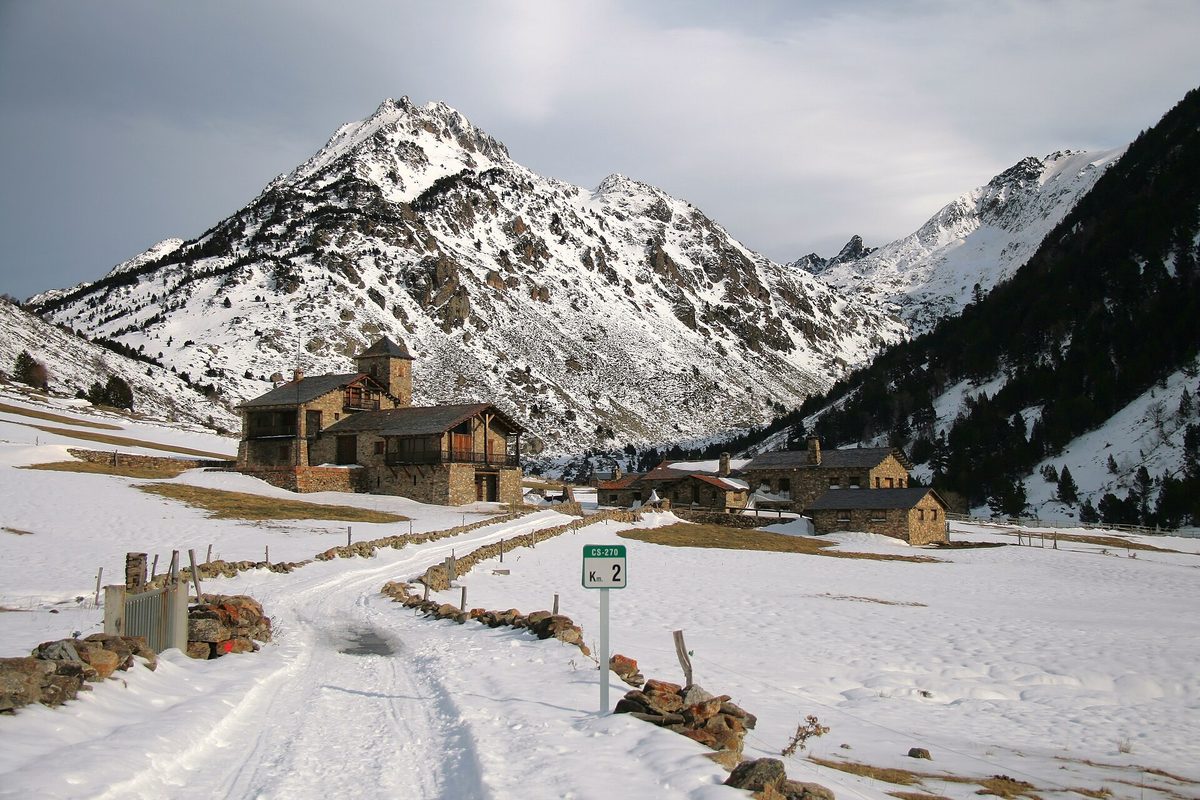
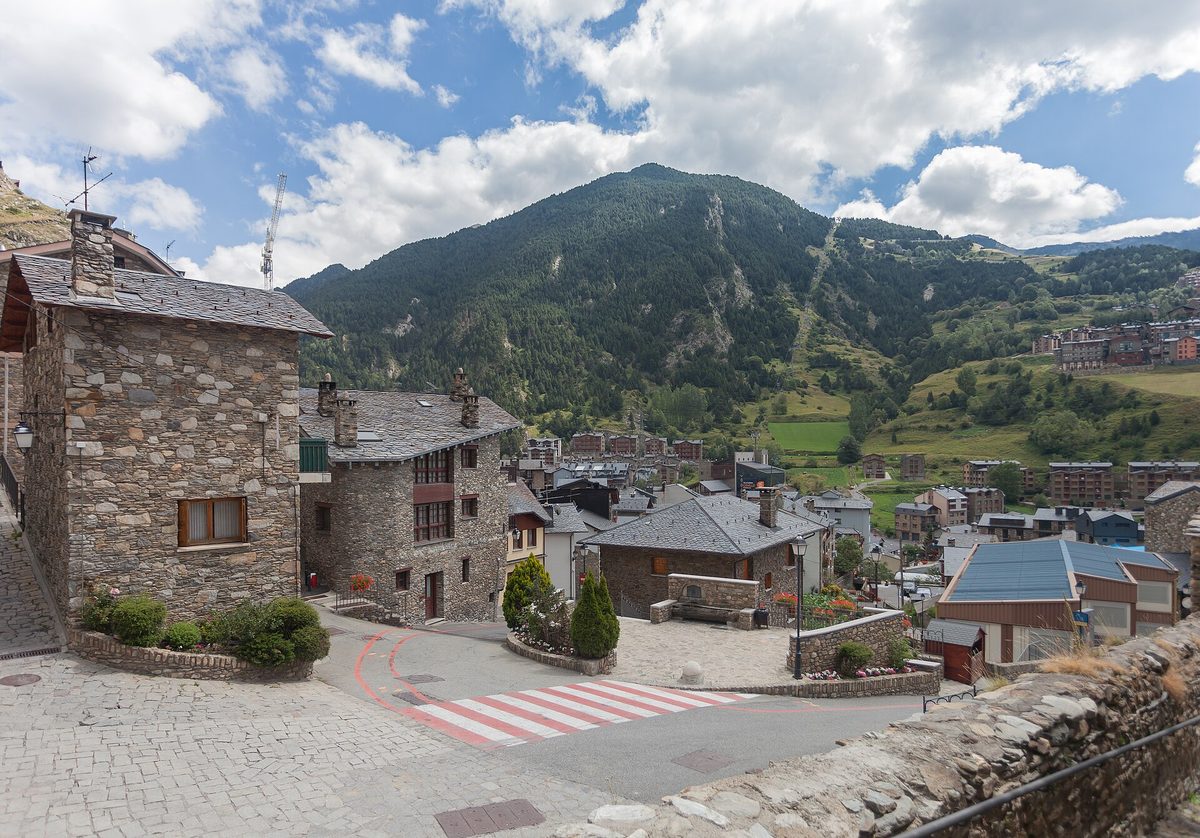
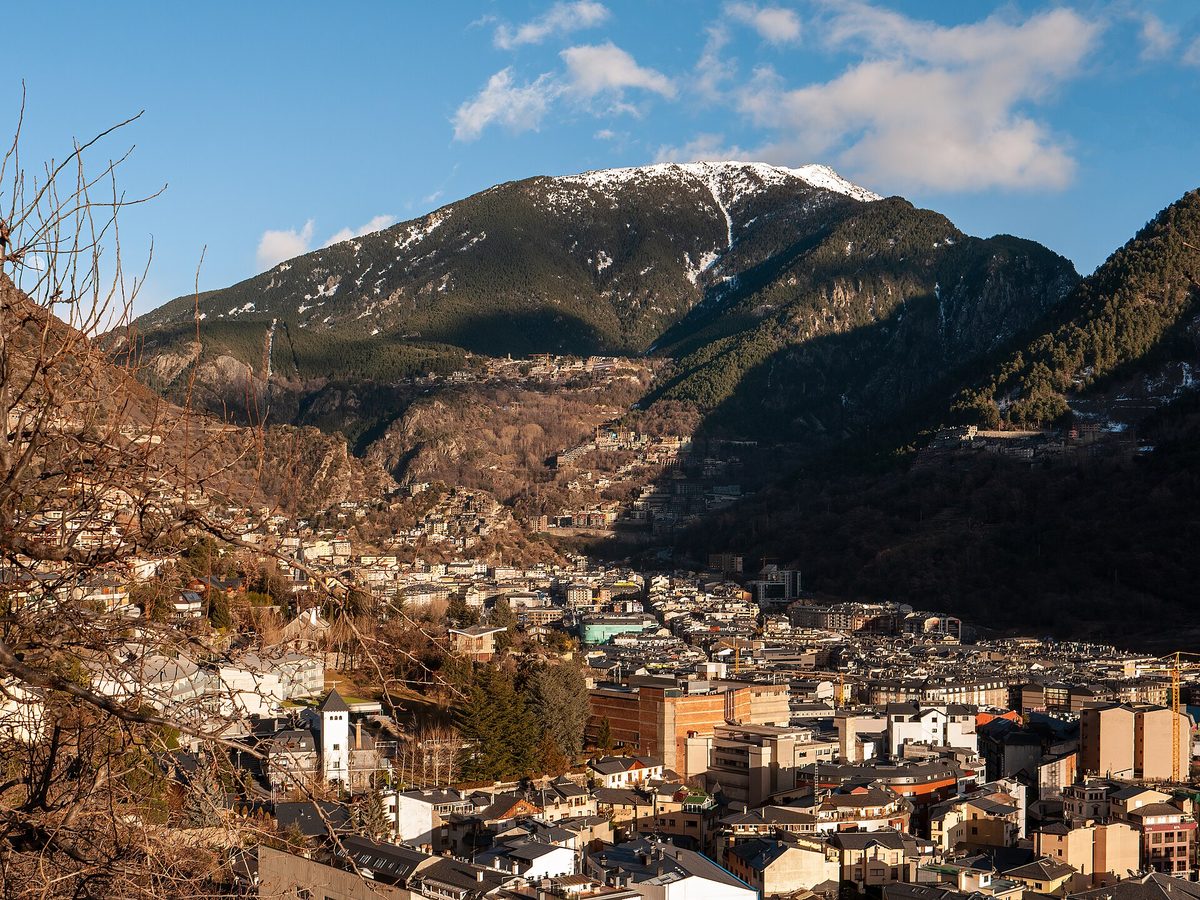
The first time I drove out of Andorra with a boot full of shopping, I rehearsed my story at the border: two bottles, a carton of cigarettes for a friend, a camera lens. The Spanish officer at la Farga de Moles waved me through without looking up. The second time, three cars ahead of me were being unpacked onto the tarmac.
So, is Andorra in the EU? No. Andorra is not a member of the European Union and never has been. It sits in a customs union with the EU, uses the euro under a formal monetary agreement, and stays outside both the single market and the Schengen area. This guide is for anyone who needs to know what that means at the border, in the shops and on their phone bill.
Last updated: September 2026. Andorra’s arrangements with the EU are actively changing — check official sources before you travel.
That is the whole strangeness of the place in one anecdote. You leave a country that uses the euro, sits between two EU member states and has no visible frontier on the way in, then discover on the way out that it was never in the club at all.
If this is your first trip, read it alongside my broader collection of Andorra travel tips for first-time visitors, which covers the practical ground — money, driving, altitude, opening hours — that this page only touches where the EU question bites.
| Question | Short answer (September 2026) |
|---|---|
| EU member? | No. Never has been, and is not an applicant. |
| Schengen member? | No. Entering Andorra means leaving the Schengen area. |
| Currency | The euro, under a monetary agreement signed in 2011. Andorra mints its own euro coins. |
| Customs union with the EU? | Yes, since 1 July 1991. Covers industrial goods; agricultural produce is treated separately. |
| Sales tax (IGI) | 4.5% general rate, against 21% in Spain and 20% in France. |
| Passport or ID needed? | Yes. EU citizens: national ID card or passport. Everyone else: passport. |
| EU roaming ("roam like at home") | Does not apply. Andorra is billed as a rest-of-world destination. |
| EHIC / GHIC valid? | No. Travel insurance with medical cover is genuinely necessary. |
| Customs allowance leaving | Roughly €900 of goods per adult, plus capped tobacco, alcohol and food quantities. |
| Association Agreement | Council authorised signature on 16 July 2026. Not yet in force. Parliament consent, 27 national ratifications and an Andorran referendum still to come. |
| Head of state | Two co-princes: the President of France and the Bishop of Urgell. |

So is Andorra in the EU? The short answer, and the long one
The short answer is no, and it is not a close-run thing. Andorra has never applied for membership. Its government has said repeatedly that it does not want membership. The European Commission, for its part, concluded back in 2012 that its own institutions were not designed to absorb a country of 85,000 people.
The long answer is that asking is Andorra in the EU produces a yes-or-no that undersells how entangled the country actually is. Four separate arrangements do most of the work, and each one changes something about your trip.
The customs union of 1990: goods yes, groceries no
The founding document of the modern relationship was signed on 28 June 1990 and entered into force on 1 July 1991. It created a customs union between Andorra and what was then the European Economic Community.
In practice, Andorra is treated as though it were an EU state for trade in manufactured goods. A television, a pair of skis, a bottle of perfume — these move between Andorra and the EU without the tariff apparatus you would expect at a third-country frontier.
Agricultural produce is the exception, and it is a big one. Food, drink and tobacco sit outside the industrial-goods arrangement, which is precisely why the customs allowances on cheese, meat, wine and cigarettes are so specific and so aggressively enforced. The customs union did not make Andorra part of the EU. It made Andorra a very convenient shop.
The euro, without a seat at the table
Andorra never had its own currency. For most of the twentieth century it ran on French francs and Spanish pesetas simultaneously, which was chaotic but functional. When those currencies vanished into the euro in 2002, Andorra simply used the euro too — informally, with no legal basis whatsoever.
A monetary agreement with the EU, signed in 2011, tidied that up. It made the euro Andorra’s official currency and gave the country the right to mint its own euro coins. The first Andorran coins entered circulation in January 2015, and if you get one in your change from a coffee in Andorra la Vella, Europe’s highest capital, keep it. Collectors pay well over face value.
What Andorra does not get is a vote. It has no seat on the European Central Bank’s governing council and no say in eurozone policy. It uses the currency and accepts the consequences.
Not in Schengen, but not sealed off either
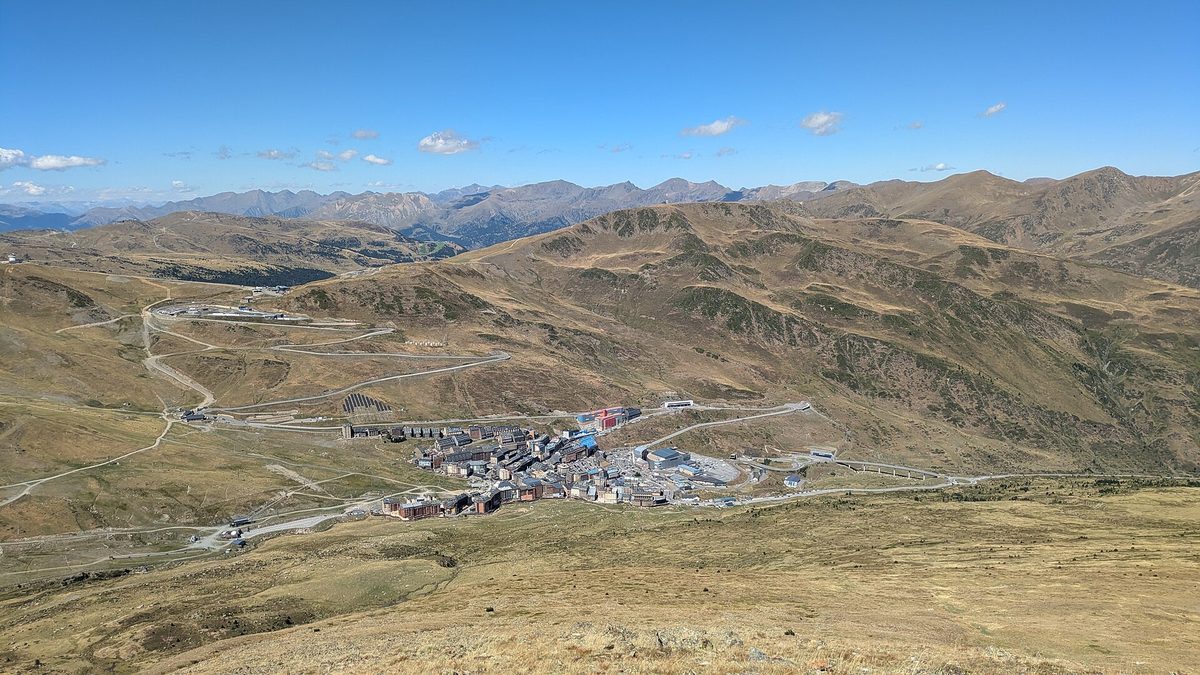
This is the piece that confuses people most. Andorra is not a Schengen member. The only two land routes in — la Farga de Moles from Spain on the CG-1, and Pas de la Casa on the French side over the Port d’Envalira — are legal external Schengen borders.
And yet nobody checks your passport going in. Andorra operates no entry controls of its own and the practical experience of arriving is a slow crawl past a customs post where officers are watching for shopping bags, not immigration status.
The legal reality still matters, though, and I explain the mechanics in detail in my guide to the Andorra border and what to expect at customs. The short version: because Andorra is outside Schengen, going there and coming back counts as two separate crossings of the Schengen frontier.
The alphabet soup Andorra is actually in
For completeness: Andorra is a full member of the United Nations, the Council of Europe, the OSCE and the World Health Organization. It is not in NATO, not in the EEA, not in EFTA, and not in the World Trade Organization. It has no army to speak of and no airport, which makes membership of some clubs a moot point anyway.
What Andorra’s EU status means at the border
Here is where theory turns into queueing. The three things travellers get wrong, in order of how much trouble they cause:
You need a passport or national ID card, every time
There is no Andorran visa. There never has been. But you cannot enter Andorra without crossing France or Spain first, so the documents that matter are the Schengen ones.
EU, EEA and Swiss citizens can use a valid national identity card or a passport. Everyone else needs a passport. British travellers post-Brexit are in the “everyone else” category and should carry the passport, not a driving licence.
The trap is for visa nationals. If you needed a Schengen visa to reach Spain or France, a single-entry visa will get you into Andorra and then strand you there, because re-entering Spain or France counts as a fresh entry into the Schengen area. You need a two-entry or multiple-entry visa. I have met people at Pas de la Casa who learned this the hard way on a day trip, and the Andorran tourist board flags it prominently for good reason.
Stamps, the EES, and your 90-day clock
The EU’s Entry/Exit System became fully operational across Schengen on 10 April 2026, replacing passport stamps with biometric records for non-EU short-stay visitors. Andorran nationals and residents are exempt from it under the arrangements the microstates negotiated.
If you are a non-EU visitor from anywhere else, though, you are not exempt. A trip into Andorra is technically an exit from Schengen and a re-entry on the way back, and how rigorously that gets registered at a mountain customs post is a question I would not want to build a plan around. If you are running close to your 90-in-180 limit, treat Andorra as a border crossing rather than a day out, and keep your own record of dates.
The queue exists because of shopping, not immigration
Both crossings are open 24 hours a day. Neither is usually slow going in. Going out is a different story — Sunday evenings on the Spanish side, and the last afternoon of any French school holiday, can produce a genuinely miserable wait.
What officers are looking for is duty. The border is a fiscal frontier, not a migration one, and I have written up the whole approach in what you can legally take home from Andorra.
The customs allowance: the most useful thing on this page
Because Andorra is outside the EU’s tax territory, everything you buy there is an import when you leave. The Andorran government publishes an annual allowance flyer, and the 2026 edition sets out per-person limits that most visitors have never read.
Per adult, in a single crossing:
- Tobacco: 300 cigarettes, or 150 cigarillos under 3 g each, or 75 cigars over 3 g each, or 400 g of pipe and rolling tobacco.
- Alcohol: 1.5 litres of spirits over 22 degrees, or 3 litres of liqueurs, aperitifs or sparkling wine under 22 degrees, or 5 litres of table wine.
- Coffee: 1,000 g of coffee, or 400 g of extracts.
- Tea: 200 g, or 80 g of extracts.
- Perfume: 75 g of perfume plus 375 ml of eau de cologne.
- Other agricultural and food products: up to €300 in value.
- Other industrial goods: up to €900 in value.
The word everyone misreads is "or"
Look at the alcohol line again. It is an either/or, not a shopping list. You do not get 1.5 litres of gin and five litres of wine. You pick one column, or you take fractions across them.
This single misunderstanding accounts for a large share of the people I have watched being relieved of a bottle at la Farga de Moles. It is worth reading the official flyer yourself; the Andorran tourist board links to it from its passports and customs page, and it is updated every year.
Ages, halved allowances, and beer
Under-17s get no tobacco or alcohol allowance at all. Zero. For under-15s, EU member states are permitted to reduce the value allowances by up to half, which is where the widely quoted €450 figure for children comes from — treat it as the applied figure rather than a number written in the Andorran flyer.
Beer is the odd one out. The Andorran allowance sheet does not name a beer figure at all; the 16-litre limit you see quoted everywhere comes from the broader EU allowance for travellers arriving from third countries. It is a sensible number to plan around, but I would not argue the point with an officer.
The food sub-limits catch people too. Within that €300 of agricultural goods you must also stay under roughly 5 kg of meat, 4 kg of cheese, 5 kg of sugar and confectionery, 1 kg of butter and 6 litres of fresh milk. A big Sunday supermarket run at the border retail parks can hit the cheese limit without anyone noticing.
What happens if you go over
Nothing dramatic, usually. You declare it, you pay the duty and VAT on the excess, and you drive on. Not declaring it is the expensive path: goods can be seized outright and fines applied. Since the whole point of Andorran prices is the saving, paying Spanish VAT plus a penalty on a confiscated carton is a poor result.
The 4.5% question: why prices are lower, and by how much
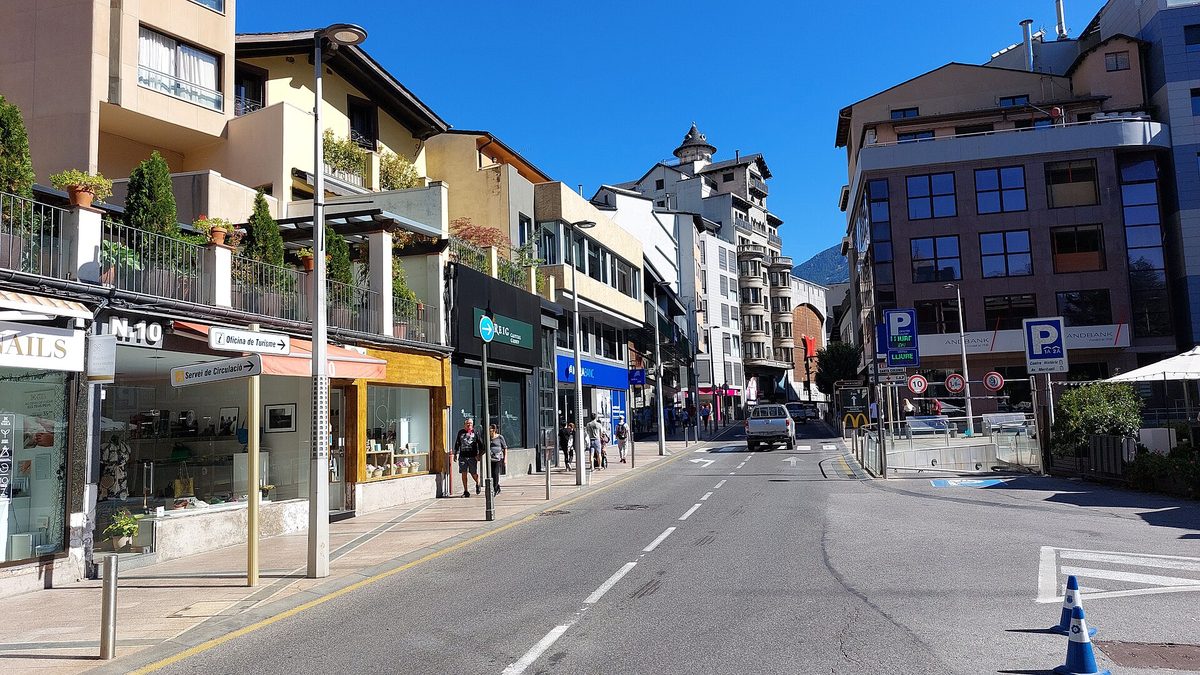
Andorra’s general sales tax, the IGI, sits at 4.5%. Spain charges 21% VAT and France 20%. That gap of roughly sixteen to seventeen percentage points is the entire commercial logic of the country, and it is why nine million people a year visit a place with 85,000 residents.
The gap is not the saving, though, and this is where honest guidance beats the marketing. Retail rents on Avinguda Meritxell are not cheap. Andorran retailers know exactly what a Spanish shopper paid at home last week. Some categories pass the tax difference on almost in full; others quietly pocket a chunk of it.
Tobacco and spirits are the categories where the saving is real and large, driven by excise duties rather than sales tax alone — I have run the numbers in alcohol and cigarette prices in Andorra. Fragrance is the other consistently strong buy, covered in my guide to perfume shopping in Andorra.
Electronics are where expectations most often exceed reality: the headline saving on a big television is real, but on phones and laptops it is often a couple of per cent after you account for warranty and exchange-rate friction. For the overall picture, including where the savings evaporate, see is Andorra cheap for shopping? and the fuller guide to shopping in Andorra.
One more consequence of being outside the EU’s tax territory: there is no VAT refund scheme for tourists in Andorra, because there is no VAT to refund. You pay 4.5% at the till and that is the end of it. Conversely, if you are an EU resident buying something expensive, you cannot reclaim anything either.
Four things that stop working the moment you cross
These are the practical costs of Andorra’s status, and they catch out far more visitors than the customs rules do.
Your EU roaming does not apply
“Roam like at home” covers the EU and EEA. Andorra is in neither. The instant your handset finds an Andorran mast, you leave your bundle and enter whatever your operator calls its rest-of-world tier.
I have seen the damage this does. Per-megabyte rates from Spanish and French carriers in Andorra run into several euros, and a weekend of casual map use can produce a bill that dwarfs the ski pass. Some operators now sell an Andorra add-on; most do not.
The fix is boring and effective. Turn data roaming off before the border, use hotel and lift-station wi-fi, and if you need connectivity, buy a local prepaid SIM or an eSIM. Andorra Telecom is the only network operator in the country and sells tourist SIMs and short data passes — expect something in the region of €15 for a day pass with a couple of gigabytes, and check current pricing before you rely on it.
One genuinely useful quirk: near both borders your phone will flip between Andorran and Spanish or French networks repeatedly. Lock the network manually if you are staying up at Pas de la Casa, or you will roam by accident all weekend.
Your EHIC or GHIC is not valid
The European Health Insurance Card and the UK’s Global Health Insurance Card cover state healthcare in the EU and EEA. Andorra is outside both. Your card buys you nothing at the hospital in Escaldes-Engordany.
Andorran healthcare is good and it is private-facing for visitors. A helicopter evacuation off a ski slope followed by a few days of treatment is the kind of bill that runs into five figures. Take a policy with proper medical cover, and if you are skiing or doing anything on a via ferrata, check that the activity is actually included rather than excluded as “hazardous”.
This is the one piece of advice on this page I would call non-negotiable. Everything else on the list costs you money; this one can cost you a great deal of it.
Driving: insurance, green cards and winter kit
Motor insurance is the question I get asked most. Many EU policies extend to Andorra, but not all of them, and plenty include it only as an optional extension. Check the territorial limits on your certificate before you drive rather than after.
A green card is no longer required for UK-registered vehicles in Andorra, and has not been since August 2021. You do still need valid insurance and you should carry the certificate, because Andorran police can ask for proof of cover and an accident will require it.
Andorra also has its own vehicle rules that have nothing to do with the EU. Winter equipment — winter tyres fitted or chains carried — is a legal requirement through the cold months, roughly from the start of November to mid-May, and enforcement at the Port d’Envalira is real. Two warning triangles are required rather than one. I cover the routes, tunnels and seasonal rules in driving to Andorra.
Hire cars are the other trap. Most Spanish and French rental agreements permit Andorra, but some prohibit it outright and others require a cross-border fee declared in advance. Ask before you book, not at the desk.
Consumer rights, warranties and deliveries
EU consumer protection law does not apply to a purchase made in Andorra. Andorran law does, and it is perfectly reasonable, but it is a different regime with different timescales.
Manufacturer warranties are the practical issue. A laptop bought in Andorra may carry an international warranty or may not, and getting it serviced in your home country can be awkward. Keep the receipt, ask explicitly about warranty coverage before you pay, and be sceptical of a saving that depends on nothing going wrong.
Online shipping is similarly odd. Ordering something to an Andorran address from an EU retailer often triggers international shipping charges and customs paperwork, which surprises visitors who assumed the customs union made it seamless. It does not.
Two princes: the constitutional oddity behind the oddity
You cannot really understand why Andorra sits outside the EU without understanding what Andorra is, and what Andorra is takes some explaining.
The country has two heads of state, called co-princes, who hold the position jointly and equally. One is the sitting President of the French Republic. The other is the Roman Catholic Bishop of Urgell, whose seat is in La Seu d’Urgell, a Catalan market town twenty minutes down the valley from the Spanish border.
Neither lives in Andorra. Neither is Andorran. Neither was elected by Andorrans. The arrangement descends from a pair of medieval treaties settled in 1278 between the Bishop of Urgell and the Count of Foix, which split the disputed valleys rather than fighting over them — a compromise that has now outlasted the county of Foix, the French monarchy, two French empires and four French republics.
Modern Andorra is a parliamentary democracy with a written constitution adopted in 1993, and the co-princes’ role is largely ceremonial. But the diarchy is not a museum piece. It is why Andorra’s foreign policy has always been cautious, why it took until 1993 to acquire a constitution at all, and why joining a supranational union with a single legal order was never a natural fit.
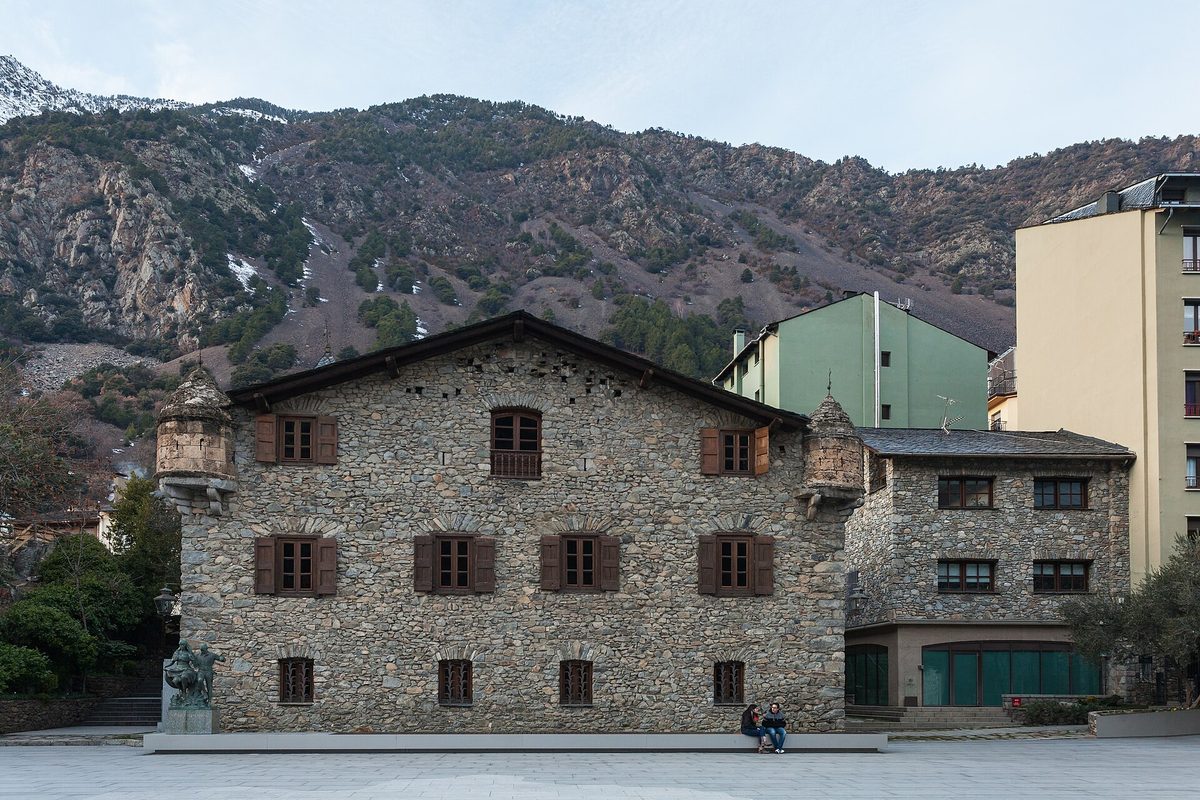
If the history interests you — and it should, because it is genuinely unusual — I have written it up properly in Andorra’s history and culture. The physical evidence is a short walk from the main shopping street at Casa de la Vall, the sixteenth-century stone house that served as the country’s parliament until 2011. It takes about forty minutes to see and it is the best value cultural stop in the country.
The EU–Andorra Association Agreement: where it actually stands
This is the part of the story that changes, so I am dating everything.
Since 2015 the European Commission has been negotiating an Association Agreement with the three European microstates. Monaco walked away in September 2023 over financial-services regulation. Andorra and San Marino kept going, and negotiations concluded in December 2023. The Commission put its proposals to the Council in April 2024.
Then it stalled for two years, largely over legal architecture. In December 2025 the Council determined that the agreement covers mixed competences — meaning it touches areas belonging to member states as well as to the EU — which pushed it from a straightforward EU-level ratification into one requiring approval from every national parliament in the Union.
The timeline, as of September 2026
- December 2023 — negotiations concluded with Andorra and San Marino.
- 26 April 2024 — Commission proposes Council decisions on signature and conclusion.
- December 2025 — Council classifies it as a mixed agreement, requiring 27 national ratifications.
- 16 July 2026 — the Council authorises signature and provisional application. This is the step that unblocked everything.
- September 2026 — pre-signing by member states was foreseen for this month, with the Commission then signing on behalf of the EU.
- Still to come — European Parliament consent, formal conclusion by the Council, ratification by 27 national parliaments, and a referendum in Andorra.
So: signed or being signed, not ratified, not in force. That distinction matters and a lot of coverage blurs it.
What it would change if it enters force
The Council describes the core of the deal as participation in a “homogenous extended internal market” under the same competition rules as the EU. In plainer terms, Andorra would get the four freedoms — goods, services, capital and people — rather than just the goods half it has now.
For Andorrans, that is transformative: the right to live, work and study across the EU on broadly equal terms, and access for Andorran firms to a market of 450 million people. Financial services come in progressively and only after an audit of Andorran regulation and supervision.
For you as a visitor, the honest answer is that the immediate changes are smaller than the headlines suggest, and several of them are not settled.
Roaming is the one people ask about. Bringing Andorra inside the EU’s telecoms rules is a plausible consequence of internal-market participation, and it is widely expected — but I have not seen a firm, dated commitment that “roam like at home” will apply from day one, and there are transition periods across the agreement. Do not plan a 2027 ski trip on the assumption that your bundle will work.
Schengen is a separate question entirely. The final Association Agreement text does not make Andorra a Schengen member. A distinct negotiation on border management was authorised by the Council on 30 May 2024, aimed at creating a legal basis for the absence of controls between Andorra and the Schengen area. That is its own process on its own timetable.
The customs allowances are the change that would actually alter your shopping. Full internal-market participation would logically end the third-country allowance regime, but Andorra’s low IGI is not going anywhere and neither, I suspect, is some form of fiscal frontier. Nobody should assume the €900 limit is about to vanish.
What it would not change
Andorra would not become an EU member state. Andorrans would not vote in European elections and Andorra would have no seat in the EU institutions. The country keeps its fiscal autonomy, its own tax rates, its own foreign policy and its own border controls. And it keeps the co-princes.
The referendum, and why nobody can give you a date
Andorra has committed to putting the agreement to a public vote. Under the Andorran constitution such a referendum is consultative rather than legally binding, but in July 2026 the Prime Minister and the main party leaders published regulations making it politically binding: the government has said it will not send the agreement to the General Council for ratification without more Yes votes than No votes.
The rules mirror a general election — Yes, No or blank on a single question, a campaign of ten to fifteen days, voting in person, by post or by delegation. The vote will be held separately from a general election.
No date has been set. The referendum follows the European approvals rather than preceding them, and Andorran opinion has been close: a poll in late 2025 put support at around 35% against opposition at around 34%, with a large undecided bloc. Anyone telling you confidently when this agreement enters force is guessing.
Planning a trip around Andorra’s status: a short checklist
Reduced to actions, here is what the answer to is Andorra in the EU means for a normal visit.
Before you leave home. Check your passport is valid and, if you are a visa national, that your Schengen visa allows more than one entry. Buy travel insurance with medical cover and check the activity exclusions. Check that your car insurance extends to Andorra. Check what your mobile operator charges outside the EU.
Getting there. There is no airport and no railway inside the country, which surprises people every year — the details are in is there an Andorra airport? and the fuller guide to getting to Andorra. Most visitors come by road from Toulouse (about two and a half hours to the capital) or Barcelona (about three); for the Catalan approach, see Barcelona to Andorra.
On arrival. Turn off data roaming. Keep card receipts if you are shopping seriously, because the €900 threshold is assessed on value and an officer may ask. Note that shops open on Sundays, which is unusual for the region and a large part of why the border queues form when they do.
Leaving. Add up what you bought before you join the queue, not while you are in it. If you are over, declare. Give yourself an hour of slack on a Sunday evening in summer, or after New Year.
Day trippers. If you are coming in from Spain or France for a single day, the status question compresses into two things: bring the right document, and respect the allowance on the way out. Everything else is somebody else’s constitutional problem. My honest assessment of that format is that it works, but only if you accept that you are going shopping in a spectacular setting rather than seeing the country.
Frequently asked questions
Is Andorra in the EU?
No. Andorra is not a member of the European Union and has never applied to join. It has a customs union with the EU dating from 1990, uses the euro under a 2011 monetary agreement, and is negotiating an Association Agreement that would give it internal-market access without membership. Its government has consistently said it does not seek to join.
Is Andorra in Schengen?
No. Andorra sits outside the Schengen area, so crossing into it means legally leaving Schengen and re-entering on the way back. In practice there are no entry checks and the border posts focus on customs. Travellers who need a Schengen visa must hold a two-entry or multiple-entry visa to visit Andorra and return.
Do I need a passport to visit Andorra?
You need a passport or, if you are an EU, EEA or Swiss citizen, a valid national identity card. There is no Andorran visa and no Andorran entry stamp. Because you can only reach Andorra through France or Spain, the documents that actually govern your trip are the Schengen requirements of those two countries.
Why does Andorra use the euro if it is not in the EU?
Andorra never had its own currency, running on French francs and Spanish pesetas until 2002 and then on the euro informally. A monetary agreement with the EU signed in 2011 made the euro official and allowed Andorra to mint its own euro coins, which entered circulation in January 2015. Andorra has no vote in eurozone monetary policy.
Does EU roaming work in Andorra?
No. “Roam like at home” applies to the EU and EEA, and Andorra is in neither, so your operator bills Andorran usage at rest-of-world rates that can run to several euros per megabyte. Turn data roaming off at the border and use wi-fi, a local prepaid SIM from Andorra Telecom, or a travel eSIM instead.
Is my EHIC or GHIC valid in Andorra?
No. Neither the European Health Insurance Card nor the UK Global Health Insurance Card covers Andorra, because the country is outside the EU and the EEA. Any treatment is charged to you. Take travel insurance with substantial medical and repatriation cover, and confirm that skiing, hiking or via ferrata are included rather than excluded.
How much can I bring back from Andorra?
Per adult, roughly €900 of general goods plus €300 of food, and capped quantities of the sensitive items: 300 cigarettes, and either 1.5 litres of spirits over 22 degrees or 3 litres of weaker drinks or 5 litres of table wine. Under-17s get no tobacco or alcohol allowance. Check the current official flyer before travelling.
Will Andorra join the EU?
There is no sign of it. The live question is the Association Agreement, which grants internal-market access without membership. The Council authorised its signature on 16 July 2026, but European Parliament consent, ratification by all 27 national parliaments and an Andorran referendum still lie ahead, and no date has been fixed for any of them.
Related guides
If you are turning this into an actual trip, start with my Andorra travel tips hub, then pick the piece you need: what is genuinely worth buying in Andorra, or the ready-made routes in my Andorra itinerary planner.
Photo credits
All photographs are from Wikimedia Commons under their stated licences, with thanks to the photographers: