The first receipt that ever confused me in Andorra was for a full tank of diesel and a bottle of decent Rioja, bought in the same forecourt shop in Sant Julià de Lòria. It came to less than the two lift tickets I had bought that morning at Soldeu. That single afternoon taught me more about Andorran pricing than a week of research had.
Is Andorra expensive? Not in the way people assume. Objects are cheap here — fuel, wine, ski gear, perfume, electronics — because sales tax is 4.5%. Time on a mountain is not cheap. This guide is for anyone building a real budget, in euros, before they book.
Last updated: September 2026. All prices are indicative and move with the season — check current rates before you book.
What follows is the numbers-first version. Three worked budgets, itemised per person per day, then a breakdown of where the money actually goes, what the season does to the bill, and the specific levers that cut it. If you want the wider planning context first, start with my Andorra travel tips and things to know before you go, then come back here for the arithmetic.
| Cost | Realistic 2026 band (per adult) |
|---|---|
| Budget summer day (hostel, self-catering, hiking) | Around €60–85 |
| Mid-range February ski day (hotel, pass, hire, lunch) | Around €210–260 |
| Shopping weekend day (3-star, meals out, no skiing) | Around €95–130 |
| Grandvalira adult day pass | Around €56–67 online; €60–75 at the window in peak weeks |
| Grandvalira adult 6-day pass | Around €370–390 |
| Pal-Arinsal / Ordino-Arcalís adult day pass | Around €40–52 |
| Hostel dorm bed | Around €22–42 |
| 3-star double room, low season | Around €60–100 per room |
| Menú del dia (weekday set lunch) | Around €15–20 |
| Coffee / beer in a bar | Around €1.70–2.40 / around €3 |
| Caldea three-hour entry | Around €40–45, sometimes from €36.50 online |
| Bus from Barcelona airport | Around €33–35 one way |
| Petrol / diesel | Around €1.58–1.71 a litre in mid-2026 |
| Sales tax (IGI) | 4.5%, against 21% in Spain and 20% in France |
Is Andorra Expensive? The Two-Part Answer
Andorra runs on a split personality, and once you see it you can plan around it.
Part one: things are cheap. The general IGI rate is 4.5%. That is not a rounding error against 21% Spanish VAT or 20% French TVA, and it shows up on fuel, spirits, wine, tobacco, cosmetics, sports equipment and consumer electronics. A skier who buys a helmet, goggles and gloves here rather than at home routinely saves enough to cover a day’s lift pass. I have watched people do exactly that in the Pyrénées department store on Avinguda Meritxell.
Part two: time is not cheap. A lift pass, a bed within walking distance of a gondola, a mountain-restaurant lunch in February half-term — these are priced like the rest of the Pyrenees, sometimes a shade above. Andorra’s ski product is genuinely good and it is priced accordingly. The old line about Andorra being the budget option compared with the Alps is now only half true: it is cheaper than Val d’Isère or Zermatt, it is not obviously cheaper than a mid-tier French or Austrian resort once you compare like for like.
So the honest answer to “is andorra expensive” depends almost entirely on one thing: do you intend to ride a chairlift. A walking holiday in late June and a ski week in the second week of February are two different countries, financially. The rest of this guide prices both.
One structural note before the numbers. Andorra uses the euro but is not an EU member, which matters for two line items most people forget: mobile roaming and duty-free allowances. Read why Andorra sits outside the EU if that surprises you, and my guide to money, cards and tipping in Andorra for the payments detail. Roaming alone catches out British and Spanish visitors every single week.
Three Worked Budgets, Itemised
Averages are useless for a country with this much seasonal spread. Below are three trips I would actually take, costed line by line, per person per day, assuming two people sharing a room. Add your travel to and from Andorra separately — I price that further down.
Budget A: a summer walking trip, around €60–85 a day
Late June, based in La Massana or Ordino, walking every day, cooking most nights.
| Line item | Per person, per day |
|---|---|
| Bed (hostel dorm, or half a cheap aparthotel double) | €25–35 |
| Breakfast (supermarket, eaten at the flat) | €3 |
| Trail lunch (bread, cheese, fruit, from Andorra’s supermarkets) | €5 |
| Dinner — cooked in, three nights out of four | €8 |
| One weekday menú del dia instead, twice a week | €15–20 on those days |
| Coffee and a beer | €5 |
| Local buses (two or three hops) | €4–8 |
| Activities (hiking is free; occasional cable car) | €0–10 |
| Daily total | Around €60–85 |
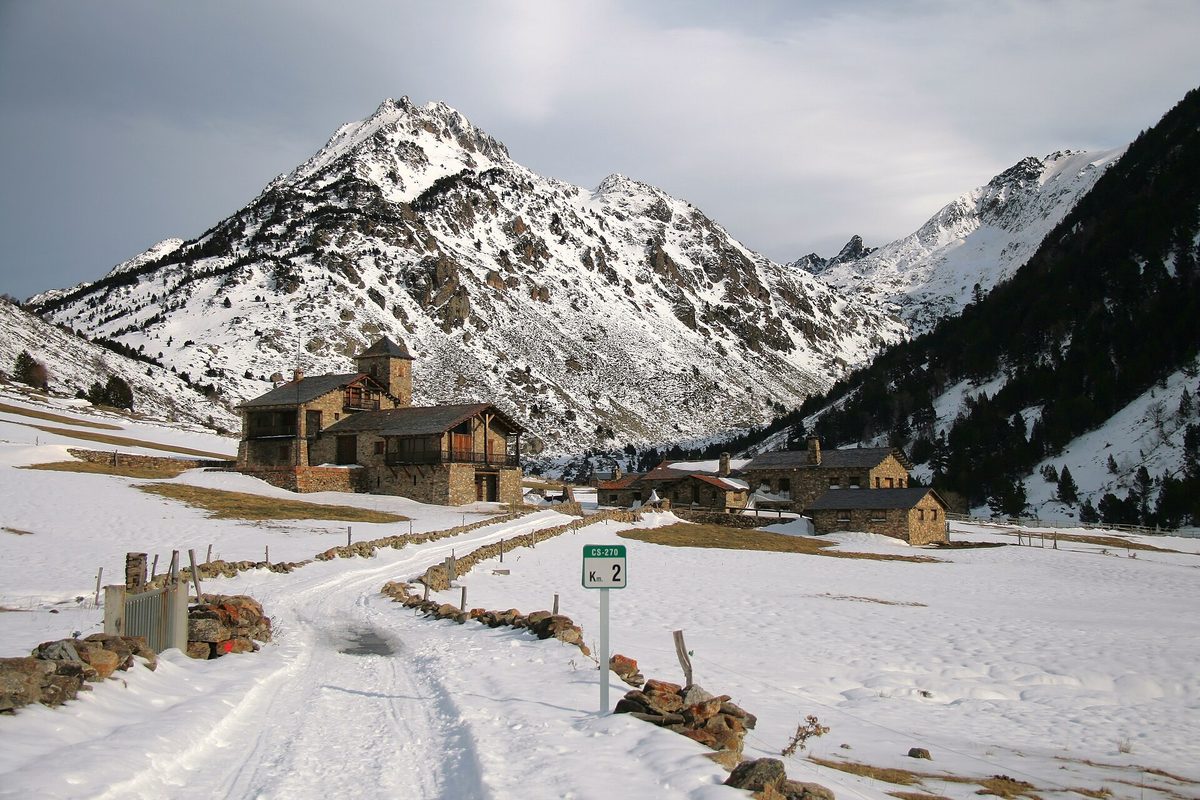
This is the version of Andorra I like best and it is genuinely inexpensive. The trails cost nothing. The Madriu valley costs nothing. Tap water is excellent throughout the country, so the bottled-water line disappears. Camping and the free unstaffed mountain refuges push the accommodation line lower still, though the refuges are basic and you carry everything.
A week at that rate lands somewhere around €420–600 a head on the ground. That is cheaper than a comparable week in the French Alps and roughly level with rural Catalonia.
Budget B: a mid-range February ski week, around €210–260 a day
Half-term week, four-star hotel in Soldeu or El Tarter with lift access, six days of skiing, hired kit, one restaurant dinner a night.
| Line item | Per person, per day |
|---|---|
| Bed (four-star near the lifts, €160–220 per room, two sharing) | €80–110 |
| Lift pass (6-day Grandvalira adult, around €378, spread over the week) | €54–63 |
| Ski, boot and pole hire (mid-range set) | €22–30 |
| Helmet hire | €5–8 |
| Mountain lunch (self-service, one dish and a drink) | €18–25 |
| Dinner in the village | €25–35 |
| One or two après drinks | €8–14 |
| Ski bus / transfers within the valley | €0–5 |
| Daily total | Around €212–290 |
That is the honest number, and it is roughly double what the general “cost of Andorra” pages will tell you, because they average the ski months into the summer ones. Andorra’s own tourism portal puts the average skier at about €220 a day for winter 2026, which tallies closely with my figures.
Two lines dominate: the bed and the pass. Together they are usually 60–70% of the total. Everything else is noise by comparison, which is why the money-saving section later focuses ruthlessly on those two.
Budget C: a shopping weekend, around €95–130 a day plus purchases
Friday night to Sunday afternoon, three-star hotel in Escaldes-Engordany, walking the retail mile, one spa session, no skiing.
| Line item | Per person, per day |
|---|---|
| Bed (3-star double, €70–110 per room, two sharing) | €35–55 |
| Breakfast (often included; otherwise café) | €0–8 |
| Lunch — menú del dia | €15–20 |
| Dinner out | €25–35 |
| Caldea three-hour entry (one of the two days) | €20–23 averaged |
| Local buses, or nothing at all if you walk | €0–5 |
| Daily total before shopping | Around €95–146 |
The shopping itself is the point, and it is the one budget line that can go negative in a useful sense. If you were going to buy a €900 camera, a couple of bottles of gin, a litre of perfume and a season’s worth of ski clothing anyway, the tax difference against Spain or France can more than pay for the weekend. If you were not going to buy those things, walking Avinguda Meritxell will simply invent expenses you did not have. I have seen both outcomes in the same family, on the same Saturday.
Watch your customs allowance on the way out. Per adult returning to Spain or France it is 300 cigarettes, 1.5 litres of spirits above 22 degrees, 5 litres of still wine, 16 litres of beer and €900 of other goods. Exceed it visibly and the queue at la Farga de Moles stops being a formality.
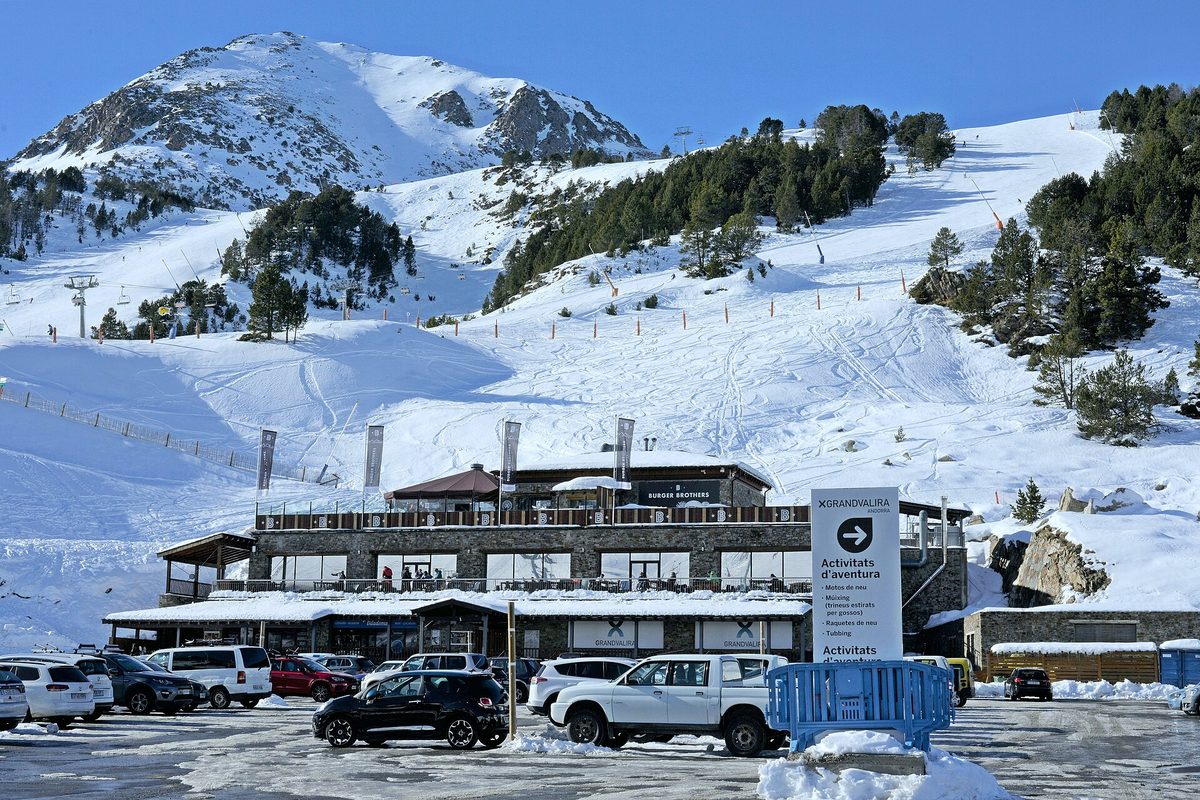
Where the Money Actually Goes on a Ski Trip
If you only optimise one thing, optimise the lift pass and the bed. Here is what each line really costs.
The lift pass
Grandvalira sells adult day passes on dynamic pricing. For the 2025/26 season the online band sat at roughly €56–67, with the ticket window in a peak week nearer €60–75. Published sample rates put a two-day adult pass around €129 and a six-day adult pass around €378, with juniors around €312 and children around €240. The all-Andorra season pass has been in the region of €1,300 for an adult.
The northern resorts are cheaper. Day tickets at Pal-Arinsal and Ordino-Arcalís have started from around €39.50 online and topped out nearer €52 on the busiest dates, with a combined season pass from around €439. From two days the northern pass covers both resorts, and from four days it typically throws in a day at Grandvalira.
Two structural points. First, 2026/27 rates were not published when I wrote this — Andorran resorts put next season’s passes on sale in the autumn, usually with the cheapest early-bird window running until roughly the start of the season. Second, buying online in advance is worth about 10–15% against the window, and the discount is largest in the weeks nobody else wants. My dedicated breakdown of Andorra ski pass prices and how to pay less goes deeper on the sector-by-sector options.
Hire and lessons
Ski hire runs roughly €20–35 a day for a standard adult package, snowboards a little more at around €25–40, and a helmet adds around €5–10. Book online before you arrive and a 20–30% discount is normal; walk into a shop in Pas de la Casa at 08:30 on a Saturday in February and you will pay the sticker price while queueing.
Lessons are the line that surprises families. Group lessons typically land around €30–50 per person per session, and private instruction runs somewhere around €100–150 an hour for one or two people. A week of mornings in a group class for two children is therefore a €400–700 item on its own. Multi-day packages cut the per-session rate meaningfully, and Andorra remains good value here by Alpine standards — see my case for learning to ski in Andorra if that is the trip you are pricing.
The bed
Location is the single biggest lever in the whole budget. A functional three-star in Andorra la Vella or Escaldes-Engordany sits around €60–100 a room in a normal winter week. Comfort-grade four-stars in Soldeu, El Tarter or Canillo with a spa and a lift within boot-walking distance run around €120–250 a room. Premium apartments in the high hamlets go past €250.
The gap between those two tiers is often €80–120 a night for a couple. Six nights of that is €500–700, which buys a lot of taxis. The trade is twenty minutes on the road each morning and the discipline to catch the first bus. My comparison of Soldeu versus Pas de la Casa versus Andorra la Vella as a ski base lays out who should pay the premium and who should not.
Eating on the mountain
Mountain restaurants inside the ski area are the least good value in the country. A self-service tray with one hot dish and a drink is around €18–25; a table-service lunch at a Grau Roig or Soldeu name will be €35–50 before wine. Down in the valley the same money buys a proper dinner.
The fix is old and it still works: a supermarket roll and a bar of chocolate in your jacket, one coffee at the top station, and lunch late and low. Andorran food is worth eating properly in the evening rather than badly at 2,300 metres — my guide to what and where to eat in Andorra covers the bordes and the trinxat.
Seasonal Price Swings: February vs January vs June
Andorra has three price speeds in winter and one very quiet price in summer.
The expensive weeks. The Immaculate Conception bridge in early December, Christmas week, New Year, Epiphany, and all of February. February is the killer: French, Spanish and British school holidays overlap across the month, and accommodation rates in Soldeu and El Tarter can sit 50–100% above January. Booking inside fifteen days for these weeks is a bad idea in both directions — availability collapses and what remains is priced accordingly.
The value weeks. Mid-January, after the first week, is the sweet spot. The snow is usually at its most reliable, the queues are short, and the same four-star room can be €90 instead of €180. March is nearly as good and warmer, with spring conditions from the middle of the month. My month-by-month notes on Andorra in January explain the weather trade you are accepting.
The cheap months. Late April to mid-June, and again from mid-September into November. Hotels drop to their lowest published rates, some ski-village properties close entirely, and the mountain is free. June is my favourite value month in Andorra: snow patches still on the north faces, wildflowers in Sorteny, and a four-star room for the price of a January hostel bed.
One caveat about summer. August is not cheap in the capital, because Spanish and French holidaymakers arrive in volume and the shopping traffic peaks. Aggregated hotel data shows peak-season room rates roughly double the low-season figure, and Andorra has two peaks — February and August — not one.
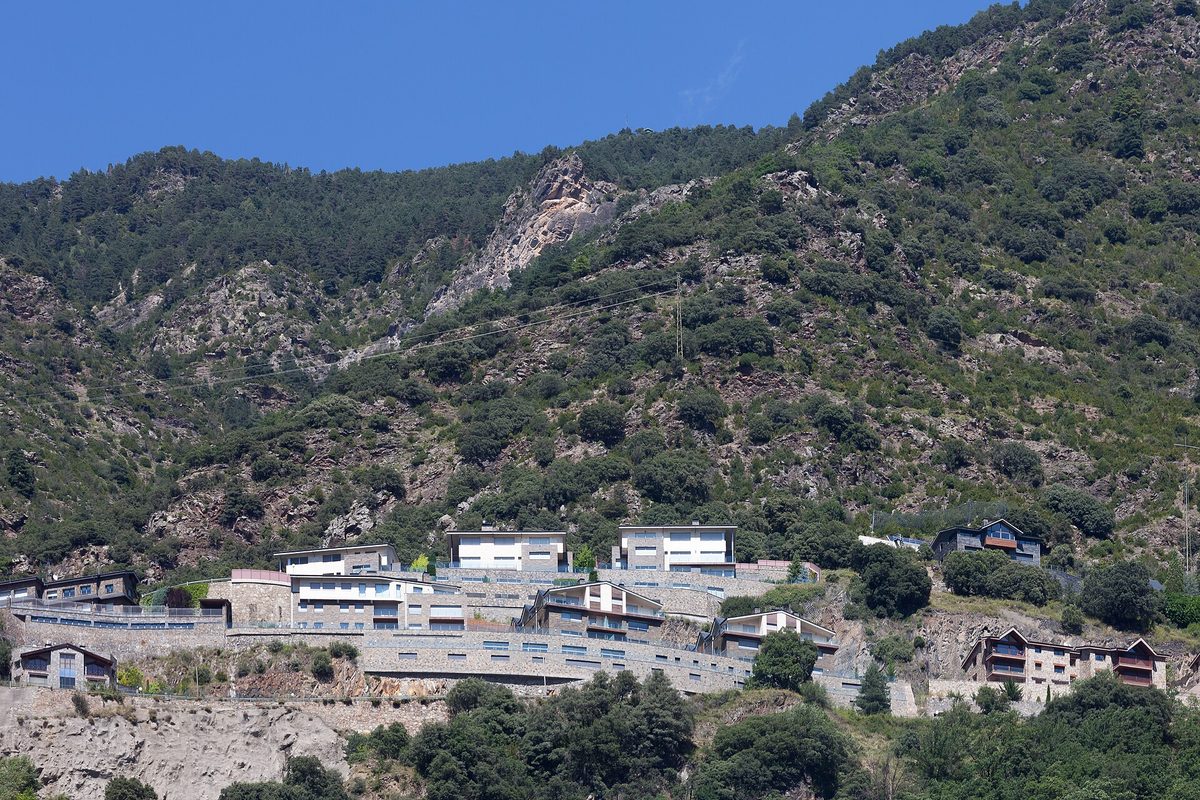
What Is Genuinely Cheap in Andorra
These are the items where the 4.5% IGI rate does real work, and where I actually change my own buying behaviour because of it.
- Fuel. In mid-2026 Andorran petrol has been around €1.58–1.61 a litre and diesel around €1.71. French diesel over the border has been closer to €2.18. Spanish prices sit in between. Filling a 60-litre tank on the way out can save €10–15 against Spain and €25–30 against France, which is why every forecourt near both borders has a queue on Sunday afternoons.
- Alcohol. Spirits and wine are typically 30–40% below Spanish and French shelf prices. Supermarket beer is startlingly cheap. Bar prices are ordinary, so the saving only accrues if you buy to take home.
- Tobacco. The single largest percentage saving in the country, and the reason for a good share of the border traffic.
- Perfume and cosmetics. The most consistently worthwhile category for a casual visitor after fuel. Differences of 20–30% on the same bottle are routine.
- Sports and outdoor equipment. Skis, boards, boots, helmets, hiking gear, waterproofs. If you were going to buy any of it this year, buy it here.
- Local buses. Around €2–4 for most inter-parish journeys, and as little as €1.30 for a short hop. A country-wide bus network for the price of a coffee.
- Hiking, viewpoints and churches. Free. Andorra’s best asset costs nothing to use.
- Tap water. Excellent everywhere. Carry a bottle and refill it.
Electronics sit in a middle band. The saving on a new-release phone or camera is more like 10–15%, which is real on a €1,200 item and irrelevant on a €90 one. My honest comparison of whether Andorra is actually cheap for shopping runs the numbers category by category, including the ones where the answer is no.
What Is Genuinely Not Cheap
Being fair to your budget means naming these clearly.
- Lift passes. Around €56–75 a day for Grandvalira in season. Comparable with a mid-tier Alpine resort, not obviously below it.
- Lift-adjacent hotels in February. The premium for stepping out of the door in your boots during half-term is the harshest single line in Andorran tourism.
- Resort restaurants in winter. Both on the mountain and in Soldeu and Pas de la Casa village centres. Prices in the ski villages in February bear no relation to prices in Ordino in June.
- Taxis. Andorra has no ride-hailing in the usual sense and metered taxis across the country add up quickly. A cross-country run can cost more than a day’s car hire.
- Mobile data. Andorra is outside the EU roaming zone. Your home bundle almost certainly does not cover it, and default roaming rates here are punitive. A local eSIM is the fix: around €3.95 for 1 GB, €12.50 for 10 GB and €21 for 20 GB in 2026.
- Caldea. Around €40–45 for three hours in the main thermal circuit, more for the adults-only areas. Worth it once, in my view, but it is not a bargain — see every way to pay less for Caldea before you buy at the door.
- Supermarket staples. Milk, eggs and fresh produce are level with Spain or slightly above, because everything is trucked up a mountain. The tax advantage does not rescue a pint of milk.
Getting There and Getting Around: The Real Numbers
Andorra has no airport and no railway, so arrival is a bus, a car or a transfer, and each has a different cost profile.
Bus from Barcelona. Around €33–35 one way from El Prat, roughly three to three and a half hours, several departures a day. A return for two is therefore about €130 — cheaper than almost any transfer and far cheaper than hiring a car you will not need. The route detail is in my guide to getting from Barcelona to Andorra by bus, car or tour.
Bus from Toulouse. Around €36 one way, three and a half to four hours, fewer departures. Often the better option if the flight is cheaper, and the drive over the Port d’Envalira is the more dramatic approach — I compare the two in the Toulouse route guide.
Hire car. Roughly €30–50 a day picked up in Spain or France, plus fuel. Worth it for a hiking trip where you want trailheads at dawn, questionable for a ski week where the hotel bus already goes to the lift. Factor winter equipment rules and the fact that a car in Andorra la Vella needs paid parking most of the time.
Getting around inside the country. The national bus network reaches every parish for €2–4 a journey, runs late enough to be useful, and is the reason a car-free trip works here. My guide to getting around Andorra without a car has the line numbers and the seasonal shuttles.
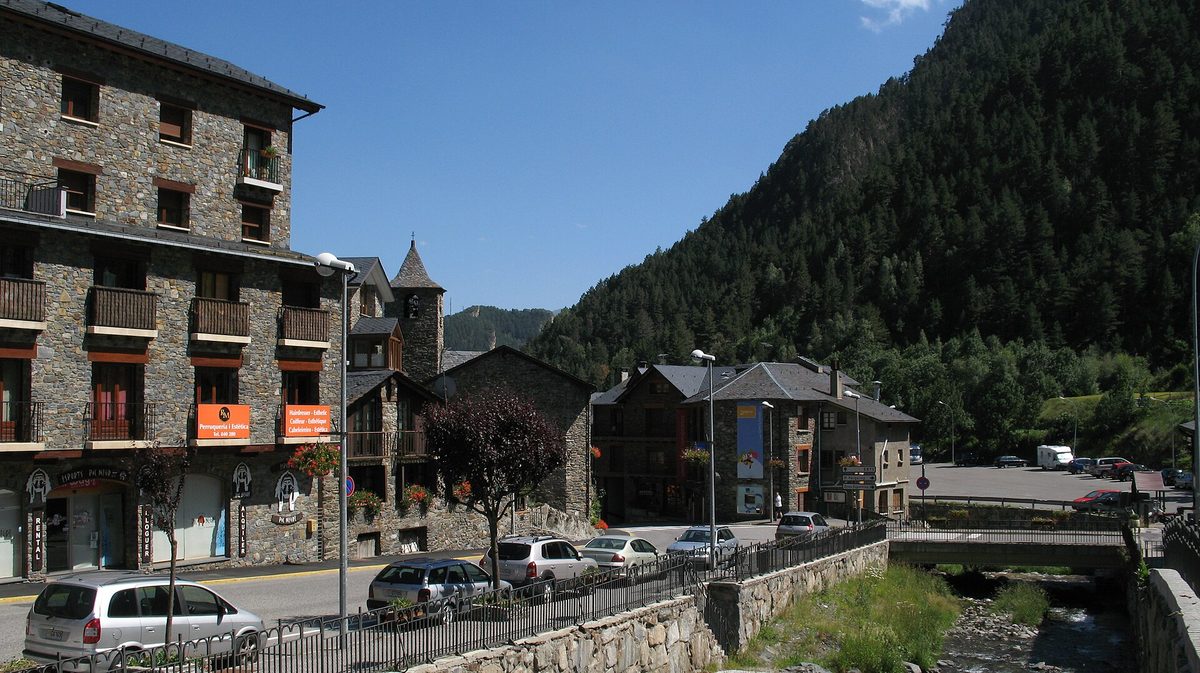
Fifteen Ways to Cut the Cost
Ranked roughly by how much they actually save, not by how clever they sound.
- Move your ski week out of February. Mid-January or mid-March can halve the accommodation line for better or equal snow.
- Sleep in Andorra la Vella, Escaldes-Engordany or Encamp and commute to the slopes. The saving is often €80–120 a night for a couple.
- Buy the lift pass online, in advance, before the season if you can. Autumn early-bird pricing for 2026/27 is where the deepest discounts live.
- Ski the north. Pal-Arinsal and Ordino-Arcalís undercut Grandvalira by €15–25 a day and are quieter.
- Book ski hire online. A 20–30% discount for two minutes of admin.
- Take the bus from the airport rather than a private transfer. Around €35 versus €200-plus for a car.
- Eat the menú del dia at lunch and go light in the evening. Around €15–20 for three courses on a weekday is the best-value meal in the country.
- Self-cater breakfast. Hotel buffets at €15–20 a head are the easiest €120 to remove from a family week.
- Never eat a table-service lunch on the mountain. Take a roll, or come down early.
- Buy an Andorran eSIM before you cross the border, not after your first roaming charge.
- Fill the tank in Andorra on the way out, always.
- Buy the gear you were going to buy anyway here, and only that. Duty-free logic collapses the moment you buy things you did not want.
- Use the buses. €2–4 a hop against €25-plus for a taxi across two parishes.
- Spend a day walking. There are enough genuinely free trails, viewpoints and Romanesque churches to fill a week without paying for anything.
- If you are over 65, ask. Senior lift-pass rates in Andorra are unusually generous, with steep reductions from 65 and free skiing at some resorts for the very oldest bracket.
How Andorra Compares
Set against Western Europe, Andorra is inexpensive. Set against Spain, it is roughly level on food and accommodation and clearly cheaper on anything taxed. Set against the Alps in winter, it is moderately cheaper, and much of that advantage now comes from the cost of getting there and the cost of gear rather than from the lift pass itself.
Aggregated traveller data puts the mid-range visitor at around €190 a day and the budget visitor at around €83. That matches my summer and shoulder-season numbers well and understates a February ski week badly. Treat any single “average daily cost for Andorra” figure with suspicion. The variance between June and February here is larger than in almost any destination I write about.
The version of Andorra that is genuinely cheap — buses, trails, supermarket picnics, a shoulder-season aparthotel, a boot full of duty-free on the way home — is available to anyone willing to skip the lift queue. The version with the ski-in hotel in half-term week is a normal European ski holiday at a normal European ski holiday price.
Frequently Asked Questions
Is Andorra expensive to visit?
Moderately, and it depends on the season. Outside the ski months you can travel comfortably on around €60–100 a day, which is level with rural Spain. A February ski week with hired kit and a lift pass realistically costs €210–260 a day per person. The question “is andorra expensive” has two different answers three months apart.
How much money do I need for a day in Andorra?
Budget around €60–85 a day for a self-catering summer walking trip, around €95–130 for a hotel-and-restaurants city weekend without skiing, and around €210–260 for a mid-range ski day including the pass, hire and lunch. Add roughly €35 each way for the bus from Barcelona or Toulouse.
Is Andorra cheaper than Spain?
For taxed goods, yes and substantially: fuel, alcohol, tobacco, perfume and sports gear all benefit from the 4.5% IGI rate against 21% Spanish VAT. For hotels, restaurants and groceries, Andorra is broadly level with Barcelona and occasionally a little above, because everything has to come up the valley by lorry.
How much is a ski pass in Andorra?
An adult day pass at Grandvalira has been around €56–67 bought online for 2025/26, or nearer €60–75 at the window in peak weeks, with a six-day adult pass around €378. Pal-Arinsal and Ordino-Arcalís start nearer €40. The 2026/27 rates go on sale in autumn, usually with an early-bird discount.
What is the cheapest month to visit Andorra?
Late April to mid-June, and October into November. Hotel rates hit their annual low, the trails are open and the ski villages are quiet. Within winter, the second and third weeks of January are the value weeks. Avoid February, the Christmas–Epiphany stretch and August if the bill matters.
Is food expensive in Andorra?
Not if you eat like a local. A weekday menú del dia gives you three courses for around €15–20, coffee is around €1.70–2.40 and a bar beer around €3. Where it gets expensive is inside the ski areas in winter, where a mountain lunch runs €18–25 self-service and €35–50 with table service.
Do you need a car in Andorra?
No. The national bus network reaches every parish for around €2–4 a journey and runs frequently enough for a car-free trip. Hire a car at roughly €30–50 a day only if you want remote trailheads at dawn or plan to move base repeatedly. In winter, a hotel ski bus usually beats driving and parking.
Is skiing in Andorra cheaper than the Alps?
Somewhat, and less than it used to be. Lift passes are comparable to a mid-tier French or Austrian resort rather than dramatically below. The real savings are in cheaper accommodation away from the lifts, cheaper ski hire and gear, cheaper fuel, and lessons that still undercut most Alpine ski schools.
Related Guides
If the numbers here have shaped your plan, keep going with my picks of cheap stays, hostels and aparthotels in Andorra, the list of twenty genuinely free things to do in Andorra, and the wider Andorra travel tips hub for everything else you need to settle before you book.
Photo credits
All photographs are from Wikimedia Commons under their stated licences, with thanks to the photographers: